

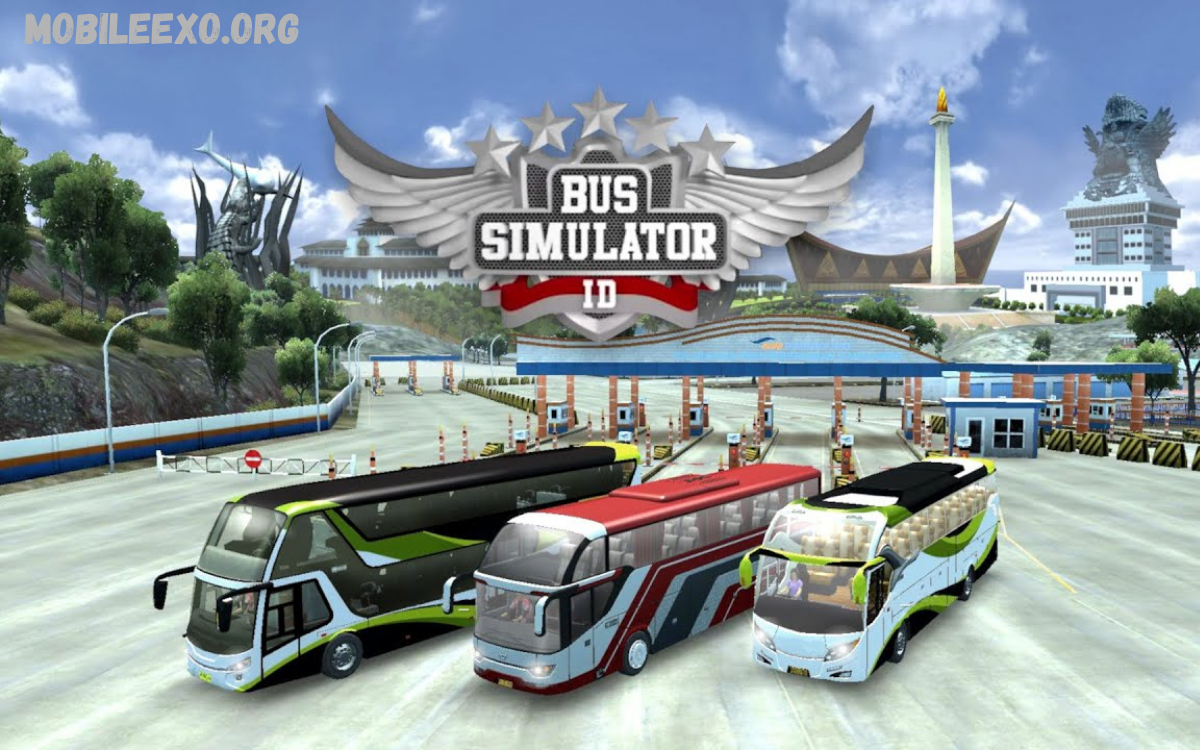
Bus simulator games are among the most popular vehicle simulation genres, offering players a realistic and immersive driving experience. These games allow users to step into the role of a professional bus driver, transporting passengers across cities, towns, and highways while following traffic rules and schedules.
Players can explore detailed environments, manage routes, pick up and drop off passengers, and navigate various weather conditions and traffic situations. Many bus simulator games feature realistic bus models, authentic controls, and dynamic day-night cycles that enhance the overall gameplay experience.
What Is a Bus Simulator Game?
A bus simulator game represents a vehicle simulation genre focused on public transportation operations. Players assume responsibility for driving buses, following routes, collecting passengers, maintaining schedules, and complying with traffic regulations. Success depends upon safe driving practices, route efficiency, and passenger satisfaction rather than speed or competition.
Modern simulation technology allows developers to recreate realistic transportation systems with impressive accuracy. Detailed city maps, realistic vehicle physics, intelligent traffic behavior, and environmental effects contribute to authenticity. Every route presents unique challenges requiring concentration, planning, and adaptation. Such elements transform simple driving tasks into rewarding simulation experiences.
Realistic Driving Experience
Realism remains a defining characteristic of every successful bus simulator game. Developers integrate advanced physics systems that replicate vehicle weight, acceleration, braking distance, steering response, and suspension movement. Drivers must understand vehicle dimensions and handling characteristics before navigating busy streets or narrow roads.
Weather systems further enhance realism. Rain, fog, snow, and changing road conditions influence visibility and vehicle performance. Players must adjust driving techniques according to environmental circumstances. Such mechanics create immersive gameplay while encouraging thoughtful decision-making throughout every journey.
Detailed Bus Models
Vehicle design plays a crucial role within simulation environments. Many bus simulator games feature highly detailed bus models inspired by real-world transportation vehicles. Interior layouts, dashboard controls, seating arrangements, mirrors, and instrument panels contribute to authenticity.
Customization options often allow players to modify paint schemes, decals, wheels, lighting systems, and interior features. Personalized vehicles create stronger engagement and encourage long-term progression. Detailed visual presentation increases immersion while highlighting technological advancements within simulation gaming.
Passenger Management System
Passenger interaction represents another important aspect of a bus simulator game. Drivers must stop at designated locations, open doors, manage boarding procedures, and ensure passenger safety throughout each route. Timely service directly influences performance ratings and financial rewards.
Advanced games include passenger behavior systems that reflect realistic transportation scenarios. Crowded stations, peak-hour demand, delayed arrivals, and customer satisfaction metrics create additional layers of complexity. Such mechanics strengthen gameplay depth while reinforcing operational responsibilities.
Route Planning and Navigation
Route management serves as a central gameplay component. Players receive transportation assignments that require them to navigate extensive road networks. Efficient route completion improves earnings, reputation, and opportunities for career progression within career systems.
Many titles include GPS navigation, route indicators, scheduling tools, and traffic updates. Drivers must balance punctuality with safety considerations. Strategic planning helps avoid congestion, reduce delays, and maintain service quality. Route optimization transforms routine driving into an engaging management challenge.
Dynamic Traffic Environment
Traffic simulation significantly influences gameplay quality. Realistic traffic systems include cars, trucks, motorcycles, emergency vehicles, pedestrians, and public transportation units operating simultaneously throughout virtual cities. Each element contributes to believable urban environments.
Drivers encounter unexpected obstacles, traffic congestion, road closures, accidents, and changing traffic signals. Such situations require quick analysis and careful responses. Dynamic environments prevent repetitive gameplay while encouraging continuous attention and adaptability.
Career Mode Features
Career progression systems provide long-term objectives and motivation. Players typically begin with limited resources and basic vehicles before expanding transportation operations through successful route completion. Earnings support fleet upgrades, maintenance improvements, and business expansion.
Advanced career modes introduce company management responsibilities. Drivers may hire employees, purchase additional buses, unlock new routes, and increase operational capacity. Business-focused mechanics create rewarding progression while enhancing overall gameplay depth.
Graphics and Visual Quality
Modern graphics technology has transformed the visual appeal of simulation games. High-resolution textures, realistic lighting systems, environmental effects, and detailed city architecture contribute to immersive experiences. Visual authenticity strengthens player engagement and improves overall enjoyment.
Day-night cycles further enhance realism. Morning traffic, afternoon activity, evening commutes, and nighttime operations create varied driving conditions. Dynamic environments ensure fresh experiences across extended gameplay sessions while showcasing graphical advancements.
Vehicle Customization Options
Customization systems allow players to create unique transportation fleets. Exterior modifications may include paint colors, company branding, decals, wheel designs, and lighting configurations. Visual customization supports creativity while increasing personal investment within gameplay.
Interior upgrades often include seating arrangements, dashboard designs, entertainment systems, and decorative features. Expanded customization options provide greater control over vehicle appearance and operational identity. Such flexibility appeals to players seeking personalized simulation experiences.
Weather and Environmental Effects
Environmental realism contributes significantly to immersion. Weather systems influence visibility, road grip, passenger behavior, and traffic conditions. Rain may reduce braking efficiency, while fog can limit visibility across longer distances.
Seasonal variations create additional diversity. Winter routes, autumn landscapes, spring environments, and summer conditions deliver visual variety throughout gameplay. Environmental effects encourage adaptation and reinforce realistic driving practices.
Read also: Train Simulator Mobile Guide – Features, Gameplay, and Realism Explained
Multiplayer Gameplay Opportunities
Multiplayer functionality has expanded social engagement within simulation gaming. Players can drive together across shared maps, participate in transportation events, and cooperate during route operations. Community interaction strengthens entertainment value while encouraging collaboration.
Online environments often feature virtual transportation companies, competitive leaderboards, and cooperative objectives. Shared experiences create memorable gameplay moments while fostering active simulation communities. Multiplayer systems continue attracting new audiences interested in collaborative driving experiences.
Educational Benefits
A bus simulator game offers more than entertainment. Many players develop improved awareness regarding traffic regulations, road safety principles, and transportation operations. Practical understanding of vehicle control can emerge through repeated exposure to realistic driving scenarios.
Problem-solving abilities also improve through route planning, schedule management, and environmental adaptation. Decision-making under changing conditions encourages analytical thinking. Educational value complements entertainment benefits, making simulation games appealing across diverse age groups.
Skill Development Through Simulation
Simulation environments promote concentration, patience, and strategic thinking. Successful route completion requires observation, timing, and continuous attention. Drivers learn how small decisions influence overall operational efficiency.
Resource management skills may also develop through career progression systems. Budget allocation, fleet maintenance, and business expansion require thoughtful planning. These mechanics transform gameplay into a multifaceted learning experience while maintaining entertainment value.
Why Bus Simulator Games Remain Popular
Popularity continues growing because simulation experiences provide relaxation without sacrificing engagement. Many players appreciate structured objectives, realistic environments, and gradual progression systems. A bus simulator game offers meaningful challenges without relying upon intense competition.
Broad accessibility further supports market growth. Casual gamers enjoy straightforward driving mechanics, while dedicated enthusiasts appreciate realistic operational details. Such versatility allows simulation titles to reach diverse audiences across multiple gaming platforms.
Future of Bus Simulator Games
Technological innovation continues shaping future developments within simulation gaming. Improved artificial intelligence, enhanced vehicle physics, advanced weather systems, and larger open-world environments promise greater realism. Future titles may deliver increasingly authentic transportation experiences.
Virtual reality integration presents additional opportunities. Immersive cockpit perspectives, realistic hand controls, and interactive vehicle systems could redefine player engagement. Continued advancements suggest a bright future for simulation enthusiasts seeking deeper transportation experiences.
Frequently Asked Questions
Are bus simulator games available on mobile devices?
Yes, many developers offer bus simulator games for Android and iOS devices, allowing players to enjoy realistic bus driving experiences on smartphones and tablets.
What skills can players develop through a bus simulator game?
Players can improve concentration, time management, route planning, decision-making, traffic awareness, and overall driving knowledge through regular gameplay.
Do bus simulator games include weather effects?
Most modern bus simulator games feature dynamic weather systems such as rain, fog, snow, and changing daylight conditions to create a more immersive experience.
Is multiplayer mode available in bus simulator games?
Many modern titles include multiplayer features that allow players to drive together, participate in events, and interact within shared virtual transportation networks.
Can players customize buses in a bus simulator game?
Yes, many games offer customization options, including paint schemes, decals, wheels, lighting, and interior modifications to personalize vehicles.
Conclusion
A bus simulator game combines realism, strategy, responsibility, and entertainment within a compelling virtual transportation environment. Detailed vehicle models, realistic traffic systems, passenger management mechanics, and career progression features create rewarding gameplay suitable for diverse audiences.
Whether seeking relaxation, skill development, transportation knowledge, or immersive driving experiences, players can find substantial value within this genre. Ongoing technological progress ensures continued innovation, making the bus simulator game category one of the most engaging and enduring segments within modern simulation gaming.
