

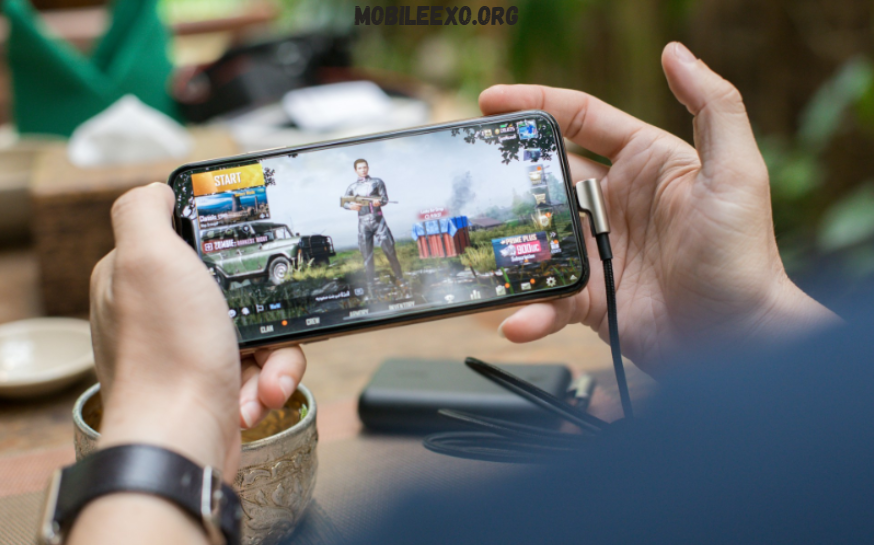
Mobile gaming continues rapid evolution. Advancements in technology, player behavior, and monetization models have transformed the landscape, creating opportunities for developers, publishers, and players alike.
Mobile game trends 2025 reveal a dynamic environment where artificial intelligence, cloud gaming, hybrid-casual models, cross-platform experiences, live operations, esports, and strategic monetization redefine the industry. Understanding these trends allows industry professionals to make informed decisions, anticipate player expectations, and deliver compelling experiences.
AI-Powered Experiences Driving Engagement
Artificial intelligence has become a cornerstone of mobile game innovation. Mobile game trends 2025 highlight AI integration as a critical differentiator. AI enables personalized gameplay, adapting challenges based on player skill, behavior, and preferences.
AI also enhances non-player character behavior. Smarter NPCs provide more immersive experiences, creating lifelike interactions that previously required extensive manual programming. AI-assisted storytelling introduces branching narratives, generating unique story arcs based on player decisions. Additionally, AI streamlines development workflows, generating 3D models, textures, soundscapes, and animations faster than traditional pipelines.
Hybrid-Casual Games: Balancing Accessibility and Depth
Hybrid-casual games represent a dominant mobile game trend 2025. Traditional hyper-casual games thrived on simplicity and short play sessions but faced challenges in retention and monetization. Hybrid-casual models maintain accessibility while integrating deeper progression systems, customization, and meta-game elements.
Players enjoy casual gameplay during short sessions while engaging with advanced mechanics such as upgrades, skill trees, or collectible systems. Hybrid-casual games extend lifecycle value by encouraging repeat play, increasing retention, and boosting monetization.
Cross-Platform Multiplayer and Social Connectivity
Mobile game trends 2025 emphasize social connectivity as a key driver of engagement. Cross-platform multiplayer allows players to interact regardless of device. Mobile games increasingly support seamless integration with PC and console ecosystems, creating a unified player base.
Social features such as guilds, clans, chat systems, and cooperative missions strengthen player communities. Real-time competitive modes, tournaments, and leaderboards foster interaction, camaraderie, and competition.
Mobile eSports and Competitive Gaming
Mobile eSports represents another critical mobile game trend 2025. Competitive gaming has shifted from niche segments to mainstream engagement. Mobile platforms now host professional tournaments, livestreamed matches, and global competitions. Games designed with competitive balance, ranking systems, and spectator-friendly mechanics thrive in this environment.
Mobile eSports attracts diverse audiences, including casual viewers, competitive players, and content creators. Monetization opportunities extend beyond traditional in-app purchases, encompassing sponsorships, advertising, streaming partnerships, and tournament entry fees.
Cloud Gaming: AAA Experiences on Mobile
Cloud gaming emerges as a transformative mobile game trend 2025. Traditionally constrained by mobile hardware, developers now leverage cloud processing to deliver console-quality experiences on smartphones. High-fidelity graphics, expansive worlds, and complex simulations are accessible to mobile audiences without sacrificing performance.
Cloud gaming enables device-agnostic experiences, allowing players to start a session on mobile and continue on PC or console seamlessly. 5G networks reduce latency, creating smooth gameplay even for fast-paced genres. Cloud technology also facilitates large-scale multiplayer environments, persistent worlds, and cooperative gameplay previously impractical on mobile devices.
Strategic Monetization Models
Monetization strategies evolve alongside gameplay trends. Mobile game trends 2025 reflect hybrid monetization approaches that balance revenue generation and player satisfaction. Developers combine in-app purchases, subscription models, optional advertising, and cosmetic microtransactions to create sustainable business models.
Games avoid pay-to-win designs, favoring cosmetic upgrades, premium content, or time-limited events. This player-centric approach increases engagement and loyalty. Subscription models offer consistent revenue streams while delivering additional value, such as exclusive content, faster progression, or ad-free experiences.
Live operations complement monetization. Frequent updates, new levels, and seasonal events incentivize spending while maintaining engagement. The combination of strategic monetization and live content ensures games remain profitable without alienating players.
Read Also: New Mobile Games Release – Top Titles, Features, and Trends in 2025
IP Collaborations and Cross-Media Tie-Ins
Integration of intellectual property represents another key mobile game trend 2025. Collaborations with movies, comics, and established franchises attract pre-existing fan bases and generate immediate interest. Recognizable characters, lore, and aesthetics enhance player engagement, making games more memorable and shareable.
Cross-media tie-ins create multi-channel engagement opportunities. Players encounter familiar content in games, streaming platforms, merchandise, and social media. These collaborations amplify visibility, extend brand reach, and encourage retention through narrative continuity. Developers increasingly design events, challenges, and rewards around popular IPs to maximize both engagement and monetization.
Emerging Markets and Global Expansion
Geographic trends influence mobile game growth. Emerging markets, particularly in Asia-Pacific, Southeast Asia, Latin America, and Africa, drive adoption. Increased smartphone penetration, affordable data plans, and localized content expand player bases. Developers prioritize culturally relevant content, region-specific monetization models, and language support to capture these markets.
Mobile game trends 2025 indicate that audience diversity will shape gameplay mechanics, monetization, and social features. Developers must consider demographic variations, preferences, and behavioral patterns to create experiences that resonate globally.
Key Takeaways for Industry Professionals
- AI Integration: Personalized experiences, procedural content, and smarter NPCs drive player engagement and reduce development complexity.
- Hybrid-Casual Design: Accessibility combined with deeper progression retains players and increases monetization opportunities.
- Cross-Platform Play: Social connectivity, cooperative modes, and community-building foster long-term engagement.
- Competitive Ecosystems: Mobile eSports, tournaments, and rankings attract highly engaged players while providing monetization avenues.
- Cloud Gaming: AAA-quality experiences accessible on mobile redefine game design possibilities.
- Strategic Monetization: Hybrid approaches, subscriptions, and cosmetic options sustain revenue without compromising player experience.
- IP Collaborations: Leveraging established franchises increases visibility, retention, and cross-media engagement.
- Global Expansion: Targeting emerging markets with localized content ensures growth and relevance.
Frequently Asked Questions
What are the biggest mobile game trends in 2025?
The major trends include AI-powered personalization, hybrid-casual game design, cross-platform multiplayer, cloud gaming, live operations, competitive mobile esports, strategic monetization models, and IP collaborations.
How is AI changing mobile gaming in 2025?
AI enables dynamic difficulty adjustment, procedural world-building, smarter NPCs, adaptive storytelling, and faster content creation, resulting in more immersive and personalized player experiences.
What is hybrid-casual gaming?
Hybrid-casual games combine the simplicity and accessibility of hyper-casual games with deeper progression, customization, and meta-game mechanics to increase retention and monetization.
Why is cross-platform multiplayer important?
Cross-platform play allows mobile players to interact with PC and console users, broadening the player base, increasing engagement, and creating cohesive social gaming experiences.
How is cloud gaming impacting mobile games?
Cloud gaming allows high-fidelity, console-quality games on mobile devices without hardware limitations. It supports expansive worlds, real-time multiplayer, and smooth gameplay over 5G networks.
Conclusion
Mobile game trends 2025 showcase an industry evolving rapidly through technological innovation, player-centric design, and global expansion. AI, hybrid-casual models, cross-platform multiplayer, cloud gaming, live operations, competitive ecosystems, strategic monetization, and IP collaborations define the new landscape.
