

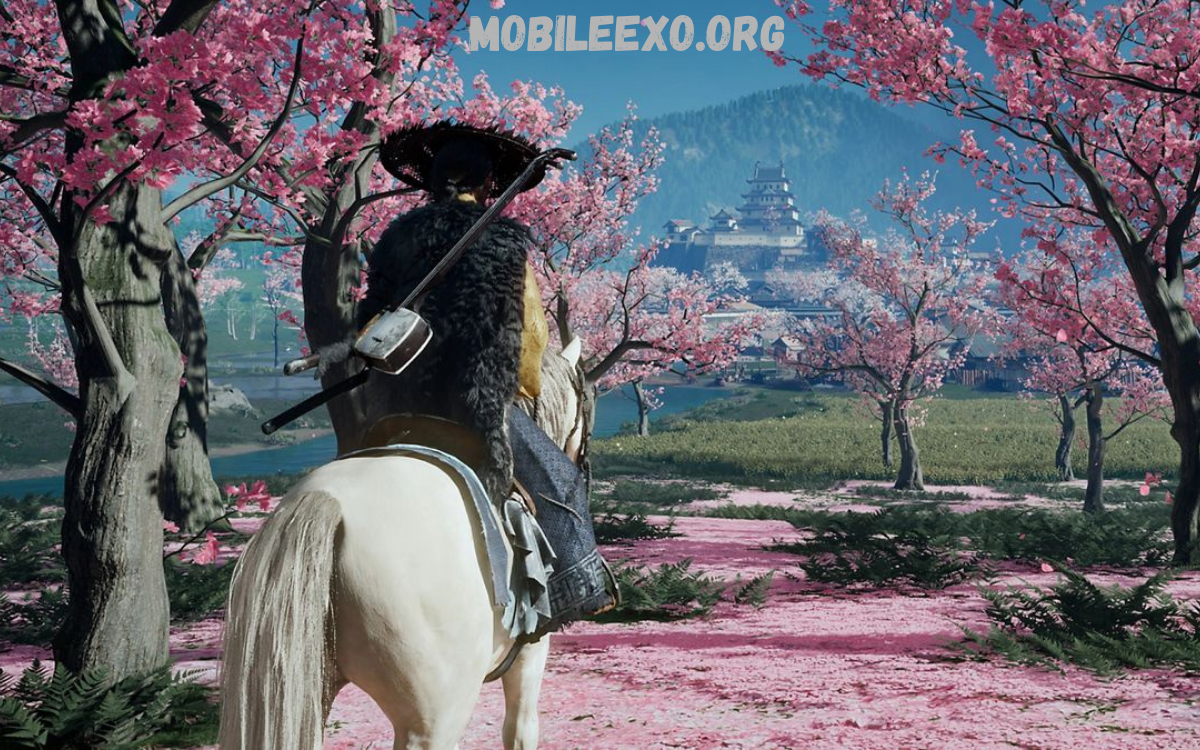
The gaming industry has evolved dramatically over the years, and one genre that continues to attract millions of players is open-world simulation games. These games combine realistic mechanics with unrestricted exploration, allowing players to create their own experiences rather than following a strict path.
Unlike traditional linear games, open-world simulation titles offer freedom, creativity, and immersion. Players can explore vast environments, build communities, manage businesses, drive vehicles, farm land, or simply live a virtual life at their own pace. This blend of realism and exploration has made open-world simulation games one of the most engaging genres in modern gaming.
What Are Simulation Games with an Open World?
Simulation games with an open world are video games that replicate real-life activities and give players the freedom to explore a large environment with few restrictions. These games often focus on realistic systems, including economics, weather, transportation, construction, farming, or social interactions.
The open-world aspect removes barriers to linear progression, allowing players to choose their own objectives. Instead of following a predefined storyline, players can interact with the world, complete activities in any order, and shape their experience according to their interests.
Why Open-World Simulation Games Are So Popular
One major reason for the popularity of open-world simulation games is the sense of freedom they provide. Players are not forced into specific missions or objectives and can spend their time exploring, building, or experimenting with different gameplay systems. This flexibility appeals to both casual and dedicated gamers.
Another factor is immersion. Many simulation games recreate realistic environments, detailed mechanics, and dynamic ecosystems that make the virtual world feel alive. Players often develop a strong connection to their in-game achievements, whether managing a successful farm, building a thriving city, or creating a dream lifestyle.
Key Features of Open-World Simulation Games
Freedom of Choice
One of the defining features of simulation games with an open world is unrestricted decision-making. Players can choose how they spend their time, what goals they pursue, and how they interact with the game world.
This freedom encourages creativity and experimentation. Instead of following a single path, players can discover new opportunities, create unique stories, and develop their own playstyle based on personal preferences.
Realistic Gameplay Mechanics
Simulation games often focus on realistic systems that mimic real-world activities. These mechanics may include resource management, vehicle handling, weather conditions, business operations, or agricultural processes.
The realism adds depth and satisfaction to gameplay. Players learn how different systems interact and must make thoughtful decisions to achieve success within the game world.
Large Interactive Environments
Open-world simulation games typically feature expansive maps filled with activities, locations, and interactive elements. Players can travel freely and discover hidden opportunities throughout the environment.
These detailed worlds encourage exploration and reward curiosity. Every journey can lead to new experiences, making the game feel fresh even after many hours of play.
Dynamic World Systems
Many open-world simulation games include changing weather, day-night cycles, seasonal events, and evolving economies. These systems create a living environment that responds to player actions.
Dynamic worlds increase immersion because the environment feels active rather than static. Players must adapt their strategies and plans based on changing conditions.
Benefits of Playing Simulation Games with an Open World
Simulation games offer more than entertainment. Many players enjoy the educational aspects of managing resources, solving problems, and planning long-term strategies. These skills can encourage critical thinking and decision-making.
Additionally, open-world simulations often provide a relaxing experience. Unlike highly competitive games, many simulation titles allow players to progress at their own pace, reducing stress and promoting creativity.
Read Also: Simulation Games Offline: Best Offline Simulation Games for Endless Entertainment
Different Types of Open-World Simulation Games
Life Simulation Games
Life simulation games allow players to create characters, build relationships, pursue careers, and manage daily activities within an open environment. These games focus on social interactions and personal development.
Players often enjoy the freedom to create unique stories and experiment with different lifestyles. The ability to customize characters and environments adds another layer of engagement.
Farming Simulation Games
Farming simulations place players in charge of agricultural operations. Tasks may include planting crops, raising animals, managing equipment, and expanding farmland.
The open-world nature of these games allows players to explore surrounding areas, interact with local communities, and grow their farming business at their own pace.
Driving and Transportation Simulations
Transportation simulation games focus on operating vehicles such as trucks, buses, trains, or construction equipment in large open environments.
These games often emphasize realistic driving mechanics and logistics management. Players enjoy the challenge of navigating vast maps while completing transportation objectives.
City-Building Simulations
City-building simulation games allow players to design, manage, and expand urban environments. Players oversee infrastructure, public services, transportation systems, and economic growth.
Open-world elements enable players to develop cities according to their own vision. Every decision impacts the city’s future, creating a rewarding management experience.
Survival Simulation Games
Survival simulations combine realistic mechanics with exploration and resource management. Players gather supplies, build shelters, and adapt to environmental challenges.
The open world encourages discovery while introducing risks and opportunities. Balancing survival needs with exploration creates a compelling gameplay loop.
Essential Elements That Make These Games Engaging
A successful open-world simulation game typically combines realistic systems with meaningful player freedom. The best games allow players to influence the environment while maintaining believable mechanics that make actions feel important.
Long-term progression is another key factor. Whether building a business, developing a farm, or expanding a city, players enjoy seeing tangible results from their efforts over time. This sense of accomplishment keeps them invested in the game.
Best Simulation Games with an Open World
Minecraft
Minecraft combines sandbox creativity with open-world exploration. Players can gather resources, construct buildings, automate systems, and explore an almost limitless environment.
Its flexibility has made it one of the most successful simulation-style experiences ever created. Players can enjoy survival gameplay, creative building, or multiplayer adventures.
Farming Simulator Series
The Farming Simulator series offers realistic agricultural management within expansive environments. Players operate authentic farming equipment and manage crops, livestock, and production chains.
The game’s detailed mechanics and large maps provide a highly immersive farming experience for players who enjoy strategic planning and progression.
Euro Truck Simulator 2
Euro Truck Simulator 2 allows players to operate trucking businesses across a large virtual representation of Europe. Players deliver cargo, manage finances, and expand their transportation companies.
The combination of realistic driving mechanics and open-world travel creates a relaxing yet engaging simulation experience.
American Truck Simulator
American Truck Simulator offers a similar experience, focusing on highways, cities, and landscapes across the United States. Players can explore diverse regions while building successful transportation operations.
Its detailed environments and realistic logistics systems appeal to players who enjoy long-distance driving and business management.
The Sims Series
The Sims series remains one of the most recognizable life simulation franchises. Players control virtual characters, build homes, manage careers, and develop relationships.
The freedom to create unique stories and lifestyles makes it a favorite among players seeking creativity and social simulation.
How Open-World Simulation Games Improve Player Engagement
Open-world simulation games encourage long-term engagement because players set their own goals. Rather than completing a fixed campaign and moving on, they continually discover new activities and challenges.
The combination of exploration, customization, and progression ensures that every player’s experience feels unique. This personalized gameplay significantly increases replay value and player satisfaction.
Future Trends in Open-World Simulation Gaming
Advancements in technology continue to improve the realism and scale of simulation games. Enhanced artificial intelligence, procedural world generation, and more sophisticated physics systems are creating increasingly immersive experiences.
Online multiplayer integration is also becoming more common. Many developers are introducing shared worlds where players can collaborate, trade, build communities, and participate in large-scale simulations together.
Tips for Choosing the Right Open-World Simulation Game
When selecting a simulation game, consider the type of activities you enjoy most. Some players prefer farming and resource management, while others enjoy city planning, transportation, or life simulation experiences.
It’s also important to evaluate the game’s complexity. Some simulations focus on accessibility and casual gameplay, while others prioritize realism and detailed management systems. Choosing a game that matches your preferences will provide the most enjoyable experience.
Frequently Asked Questions
What are simulation games with an open world?
Simulation games with an open world are games that combine realistic systems and mechanics with large environments that players can freely explore without strict progression requirements.
Why are open-world simulation games popular?
They are popular because they provide freedom, creativity, immersion, and long-term gameplay experiences that allow players to create their own objectives and stories.
Are open-world simulation games suitable for beginners?
Yes. Many simulation games offer tutorials and adjustable difficulty levels, making them accessible to both beginners and experienced players.
What is the main advantage of open-world gameplay?
The primary advantage is freedom. Players can explore, build, manage, and interact with the game world according to their own interests rather than following a fixed path.
Do simulation games require strategic thinking?
Many simulation games involve planning, resource management, and decision-making, which can encourage strategic thinking and problem-solving skills.
Can open-world simulation games be played casually?
Absolutely. Many titles allow players to progress at their own pace, making them ideal for casual gaming sessions as well as long-term play.
What features should I look for in an open-world simulation game?
Look for realistic mechanics, meaningful progression systems, detailed environments, customization options, and activities that match your personal interests.
Conclusion
Simulation games with an open world offer a unique blend of realism, creativity, and exploration that continues to attract players worldwide. By combining detailed simulation mechanics with unrestricted environments, these games provide experiences that feel personal, immersive, and endlessly rewarding.
Whether you’re interested in farming, transportation, city-building, survival, or life simulation, there is an open-world simulation game suited to your preferences. As technology continues to advance, these games are becoming even more sophisticated, offering richer worlds, smarter systems, and greater opportunities for player-driven storytelling.
