

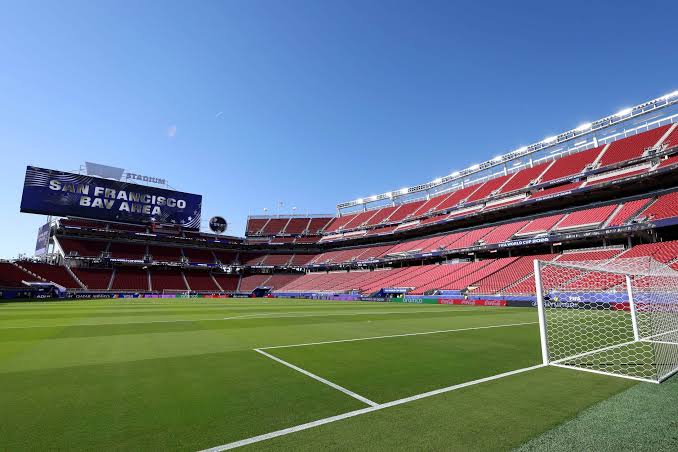
The largest stadiums ever used at World Cups do more than set attendance records; they reshape how matches feel, how teams manage pressure, and how viewers interpret what is happening over 90 minutes. When over 80,000 people react to every duel, the noise level, emotional surges, and even refereeing thresholds can differ from what you see in smaller grounds, which changes the cues you should pay attention to while watching. Understanding how scale interacts with tactics and momentum helps you read these big-stage games as more than just “another match with a louder crowd.”
Why Stadium Size Matters For Live Match Interpretation
Very large stadiums amplify every shift in momentum because thousands of people respond in unison to small changes like a blocked shot, a counterattack, or a risky dribble. This collective reaction can push teams into more aggressive or more cautious phases, which you can often see in real time as line heights adjust and pressing intensity rises or falls. When you watch games in these venues, it is useful to link noise spikes and visual crowd surges to tactical responses on the pitch rather than treating them as background decoration.
How Historic World Cup Arenas Shape Tactical Choices
Iconic World Cup stadiums that regularly host huge crowds, such as the Estadio Azteca, have built reputations not just for atmosphere but for the way matches tend to unfold inside them. Coaches know that emotional waves can build quickly, so they might favor more compact mid-blocks early on to quiet the game or script deliberate spells of possession after scoring to prevent the contest from becoming chaotic. As a viewer, watching how teams manage the tempo—slowing down goal-kicks, recycling the ball through the back line, or accelerating transitions—gives you direct evidence of how they are trying to control both the crowd and the match.
What To Watch For In Massive World Cup Crowds
In the largest venues, the crowd often becomes an extra layer of feedback that players and referees respond to, especially during marginal fouls, penalty appeals, and confrontations near the touchline. You will notice that home or heavily backed teams sometimes gain a subtle advantage in 50–50 decisions, and that defenders under pressure near their own box may rush clearances when the noise swells. Paying attention to these moments helps you separate tactical choices from emotional reactions, since a team that suddenly starts clearing long without structure is often responding more to atmosphere than to a planned adjustment.
When you ดูบอลสด from one of these flagship tournaments, the broadcast will frequently cut between wide tactical angles and close-ups of fans to capture the relationship between play and emotion. Instead of treating those crowd shots as filler, you can use them as signals about which side is dictating the tempo, which team is feeling anxious, and how the mood changes after key interventions like a big save or a last-ditch tackle. Over the course of a full match, observing how often the camera returns to a jubilant or restless section of supporters can reinforce what you are already seeing in pressing intensity, pass selection, and body language.
A Simple Sequence For Reading Big-Stadium Matches Live
Because large World Cup stadiums add another layer of complexity to match flow, it helps to structure what you track while watching rather than relying only on instinct. The following sequence focuses on how to connect tactical patterns and emotional swings to the context of a huge crowd and global stage.
- First 15 minutes: Observe which team settles on the ball more quickly and whether either side looks rushed by the occasion.
- After the first big chance: Note how both teams react—do they press higher, drop deeper, or keep their structure unchanged.
- Around half an hour: Watch for repeated patterns in how one team progresses into the final third, especially down specific flanks.
- Just before half-time: Track whether the leading or dominant team protects the score with slower circulation or continues to attack aggressively.
- Early second half: Look for deliberate tactical tweaks, such as a higher defensive line or a changed pressing trigger.
- Final 20 minutes: Focus on game-state decisions—time-wasting, substitutions, or formation shifts that reflect scoreline pressure.
Following this sequence nudges you to interpret the match as a series of evolving tactical responses rather than a string of isolated attacks. Over multiple games, you will start to recognize which teams handle big-stadium pressure by sticking to their principles and which drift into reactive, improvised football when the crowd intensity rises. That pattern recognition improves your ability to anticipate momentum swings before they show up on the scoreboard.
How Stadium Scale Influences xG Patterns And Shot Selection
Expected goals (xG) models treat each shot as a data point based on factors like location, angle, and defensive pressure, but they do not directly “see” the stadium or the crowd. In huge World Cup arenas, though, the emotional context can change shot choices, with players more likely to attempt spectacular long-range efforts or rushed finishes under noise and pressure. As you watch, you may notice a mismatch between live drama and underlying chance quality, where wild efforts from distance generate huge crowd reactions but only minimal xG.
Over a full match, teams that keep generating high-value chances inside the box despite a hostile environment usually demonstrate stronger tactical discipline and composure. When you see a side consistently working cutbacks, through balls, or well-timed runs into central areas instead of settling for hopeful long shots, that pattern is a strong visual cue that their performance level is better than the scoreline might suggest at a given moment. This is especially important in knockout games, where one or two moments can decide the tie despite a large underlying performance gap.
Comparing Match Patterns In Giant Stadiums
The tactical tendencies in huge World Cup venues can differ subtly depending on game state and team identity. The table below highlights common patterns you may see and how to interpret them while watching.
| Situation in big stadium | Typical tactical pattern observed | What it suggests when you watch live |
| Home team starts nervously | Safe long balls, few short passes through midfield | Atmosphere is affecting decisions; structure may improve after settling |
| Heavy underdog under pressure | Deep block, narrow shape, infrequent counterattacks | xG likely tilts heavily toward favorite despite low scoreline early on |
| Favorite concedes first | Higher line, more aggressive full-back positioning | Risk increases; watch for counters into vacated spaces |
| Level game late on | More direct play, quick restarts, longer carries forward | Game becomes transitional; chance quality can swing wildly with fatigue |
| Host nation chasing a goal | Relentless crosses, sustained territorial pressure | Crowd amplifies each attack; defensive clearances become more panicked |
Using these patterns as reference points allows you to connect what you see in real time with the types of statistical trends analysts later discuss—such as xG swings, field tilt, or territory dominance. Instead of waiting for post-match graphics, you can already infer that a team is building a strong underlying performance or clinging on despite structural issues based on how their approach changes with the scoreline and the crowd’s energy.
How Giant World Cup Stadiums Affect Pressing And Defensive Lines
The physical size of the pitch in major World Cup stadiums is regulated, but the optical impression of space changes when stands sit far back and the playing area is framed by towering tiers. Some teams respond to that visual expanse by dropping a little deeper, preferring a compact mid-block over all-out high pressing to avoid being bypassed with one long ball. When you watch, you can often see this in how far the striker steps out to press center-backs and whether midfielders back that pressure with coordinated jumps or hold their positions.
Conversely, sides confident in their conditioning and structure might use the big stage to press aggressively, counting on the crowd to reward every successful trap or turnover. In those cases, pay attention to how quickly they collapse on the ดูบอลไลฟ์สด ช้าง after a turnover and whether their defensive line squeezes up to keep the team compact; if the line stays too deep, pressing becomes disconnected and easy to play through. The interaction between crowd energy and defensive risk is one of the most revealing dynamics to track in these environments.
How Viewing Angles In Large Stadiums Change What You See On TV
World Cup TV directors use distinctive camera angles in huge stadiums, often setting the main broadcast camera higher to capture more of the tactical shape on each play. This can make the pitch look slightly smaller and faster, with passing lanes and rotations more visible but individual duels a bit harder to read in detail. When you are watching, it is helpful to switch mentally between reading team structures in wide shots and focusing on technique and body language in replays and close-ups.
High angles also reveal spacing between lines very clearly, which is crucial for understanding whether a team is controlling central areas or allowing opponents to receive freely between midfield and defense. If you repeatedly notice attackers receiving in those pockets with time to turn, it suggests that the defending side’s block is not compact enough—an issue that often becomes more pronounced as fatigue sets in under big-stadium pressure. Recognizing these gaps in real time lets you anticipate dangerous attacks before they fully develop.
Summary
The largest World Cup stadiums of all time turn matches into events where crowd energy, camera framing, and game-state pressure are as influential on your viewing experience as formations and line-ups. By paying attention to how teams manage tempo, shot selection, pressing height, and emotional reactions in these vast arenas, you can interpret performances with far more nuance than the scoreline alone provides. When you watch future tournaments in these iconic grounds, treating atmosphere and tactical structure as a connected system will help you understand why some teams thrive under the weight of tens of thousands of fans while others slowly lose control of the game.
