

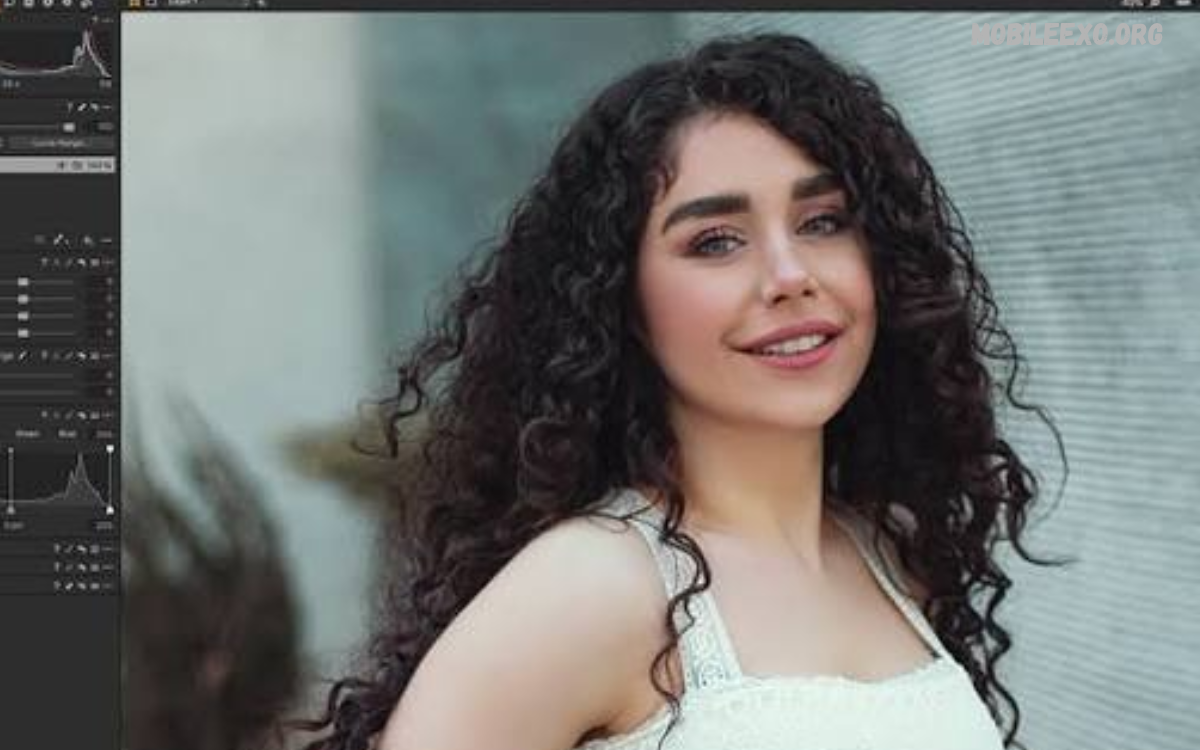
Portrait photography has become an important part of modern mobile photography. A portrait editing app helps users improve photos by adjusting lighting, refining colors, and creating attractive images with simple editing tools.
This Portrait Editing App Review explores essential features, editing tools, customization options, advantages, limitations, and overall performance. It also explains how beginners and experienced photographers can improve portrait photography.
What Is a Portrait Editing App?
A portrait editing app is a mobile application designed to improve photographs featuring people. It provides editing tools for brightness, contrast, color correction, background adjustments, and portrait effects.
These applications make photo enhancement easier without requiring professional photography software. Users can transform ordinary pictures into polished portraits through simple controls and creative editing options.
Why Are Portrait Editing Apps Popular?
Portrait editing apps have become popular because smartphone photography continues growing. People enjoy capturing personal moments, profile pictures, family photographs, and creative portraits using mobile cameras.
Editing applications provide convenient ways to improve image quality and express creativity. Their simple interfaces allow users to experiment with different styles without learning complicated editing techniques.
Main Features of Portrait Editing Apps
A good portrait editing application includes several useful features for improving photographs. Common options include exposure adjustment, color correction, skin retouching, background editing, filters, and sharpening tools.
Advanced applications may also include artificial intelligence features and selective editing options. These tools help users make specific adjustments while maintaining a natural photographic appearance.
User Interface and Navigation
A simple interface makes portrait editing more comfortable, especially for beginners. Clear menus, organized tools, readable icons, and accessible adjustment sliders improve the overall experience.
Well-designed applications make important features easy to find. Users can move between editing options without spending unnecessary time searching through complicated menus.
Portrait Retouching Tools
Portrait retouching tools help users make controlled adjustments to photographs. Depending on the application, available options may include minor blemish correction, facial lighting adjustments, and selective image enhancement.
Natural-looking editing usually produces better results than excessive adjustments. Users should preserve original facial details and avoid unnecessary changes that make photographs appear unrealistic.
Background Editing Features
Background editing is an important feature in many modern portrait applications. Some tools allow users to blur backgrounds, adjust background brightness, or separate the main subject from surrounding objects.
Artificial intelligence can make subject selection easier in supported applications. However, complicated backgrounds may still require manual corrections for accurate results.
AI-Powered Portrait Editing
Artificial intelligence has introduced new possibilities for mobile portrait photography. AI-powered tools can recognize subjects, identify backgrounds, improve lighting, and recommend suitable adjustments.
These features can reduce editing time and simplify complicated tasks. Results depend on image quality, application capabilities, and the accuracy of automatic subject detection.
Filters and Creative Effects
Filters provide quick ways to change portrait colors and photographic styles. Users can experiment with warm tones, cool colors, vintage appearances, cinematic effects, and other creative presets.
A useful application should provide adjustable filters rather than forcing users to accept fixed results. This flexibility helps maintain consistent colors across different photographs.
Lighting and Exposure Adjustments
Lighting plays an important role in portrait photography. Exposure, brightness, highlights, and shadows help users balance different areas of an image.
An effective editing application should provide individual controls for these adjustments. Balanced lighting can improve image clarity while preserving important photographic details.
Color Correction and Enhancement
Color correction helps create balanced and attractive portraits. Temperature, tint, saturation, vibrance, and contrast controls let users customize the overall look of photographs.
Accurate color adjustment can improve photographs captured under different lighting conditions. Small changes often produce more natural results than applying several strong effects simultaneously.
Blur and Depth Effects
Background blur creates a visual separation between the main subject and surrounding objects. This effect can make portraits look more focused and give photographs a more professional look.
Some applications offer adjustable blur intensity and subject detection. Users should check the edges carefully because automatic background separation may occasionally produce imperfect results.
AI Background Removal
AI background removal allows users to separate people from their original surroundings. This feature can help create clean profile photographs, creative compositions, and customized portrait designs.
Some applications also provide background replacement options. Users can select suitable colors or scenes while checking that subject edges remain clean and realistic.
Manual Editing Controls
Manual editing controls provide greater creative freedom than automatic filters. Users can adjust individual settings according to their photography preferences and the original image conditions.
These controls are especially useful when automatic enhancement produces unwanted results. Manual adjustments also help users develop consistent editing techniques over time.
Read Also: AI Photo Enhancer Review: Best Tools to Improve Image Quality
Image Quality and Resolution
Image quality is an important consideration when choosing a portrait editing application. A reliable editor should preserve important details and avoid unnecessary compression during image processing.
Export settings may include different resolutions and file formats. Users should choose settings that match their purpose, whether sharing photos or keeping high-quality copies.
Performance and Editing Speed
Application performance affects the overall editing experience. Fast loading, responsive adjustment sliders, smooth previews, and stable image processing make everyday editing more convenient.
Performance may vary depending on device specifications and photograph size. Applications with advanced AI features may require additional processing power and available storage.
Portrait Editing App for Beginners
Beginners should choose applications with simple navigation and understandable editing controls. Automatic enhancement, basic filters, brightness adjustments, and straightforward retouching tools provide a comfortable starting point.
Learning individual editing features can improve results gradually. Starting with small adjustments helps users understand how lighting, colors, and contrast influence portrait photographs.
Advanced Editing Features
Advanced portrait editors provide additional controls for detailed image enhancement. Selective adjustments, curves, masking, color grading, and advanced retouching can support more creative editing workflows.
These features are useful for users who want greater control over their photographs. However, beginners may need time to understand advanced settings and use them effectively.
Free and Premium Features
Many portrait editing applications offer free tools alongside optional premium features. Free versions may include basic filters, cropping, lighting controls, and selected portrait adjustments.
Premium subscriptions can provide additional effects, advanced tools, or expanded export options. Users should review pricing, subscription conditions, and included features before choosing a paid plan.
Privacy and Photo Permissions
Privacy deserves attention when using portrait editing applications. Some editors request access to photographs, camera functions, storage, or additional device permissions.
Users should review permission requests and privacy settings before importing personal photographs. Choosing applications with transparent privacy policies can help users make informed decisions.
Advantages of Portrait Editing Apps
Portrait editing applications provide convenient tools for improving photographs directly from smartphones. Their features can reduce editing time and make creative photography accessible to different experience levels.
Another advantage is flexibility. Users can experiment with colors, lighting, filters, and backgrounds without needing complicated desktop editing software.
Disadvantages of Portrait Editing Apps
Some applications include advertisements, subscription restrictions, or limitations in their free versions. Advanced effects may also require powerful devices or an internet connection.
Automatic editing can sometimes produce inaccurate results, particularly around complicated backgrounds. Excessive retouching may also reduce natural image details and create unrealistic photographs.
How to Choose the Best Portrait Editing App
Choosing a suitable application depends on individual photography requirements. Users should consider editing tools, interface design, image quality, device compatibility, privacy, and available export settings.
Beginners may prefer simple applications with automatic enhancement. Experienced photographers may benefit from advanced controls, selective editing, and detailed color adjustment options.
Tips for Better Portrait Editing
Start with the original photograph and evaluate its lighting, colors, and composition. Adjust exposure and contrast carefully before applying filters or additional creative effects.
Avoid excessive sharpening, saturation, and retouching. Saving an original copy before editing also provides flexibility when comparing different versions of a photograph.
Common Portrait Editing Mistakes
Applying too many filters can make photographs appear unnatural. Excessive brightness, strong saturation, and heavy background blur may also reduce overall image quality.
Another common mistake is ignoring the original lighting conditions. Understanding the photograph before editing helps users choose adjustments that improve rather than damage its appearance.
Portrait Editing Apps for Social Media
Social media users often edit portraits before sharing them online. Color filters, background adjustments, cropping tools, and image enhancement features help create consistent photographic styles.
Different platforms may use different image dimensions and compression settings. Checking the final export before uploading can help preserve important details.
Portrait Editing App Review: Overall Experience
A reliable portrait editing application should combine useful tools, smooth performance, simple navigation, and quality image exports. AI features can improve convenience, while manual controls provide greater creative flexibility.
The overall experience depends on the app’s design, device compatibility, and your editing needs. Testing available features before purchasing a premium subscription is a practical approach.
Frequently Asked Questions
What Is a Portrait Editing App?
A portrait editing app is a mobile application designed to enhance photographs featuring people. It provides tools for lighting, colors, retouching, filters, and background adjustments.
Which Features Matter Most in a Portrait Editing App?
Important features include exposure adjustment, color correction, background editing, retouching, filters, and high-quality image exports.
Are Portrait Editing Apps Suitable for Beginners?
Yes, many applications offer simple interfaces and automatic enhancement tools. Beginners can improve photographs without professional editing experience.
Can AI Improve Portrait Photography?
AI can help recognize subjects, adjust lighting, remove backgrounds, and automate selected editing tasks. Results depend on the application and original photograph.
Do Portrait Editing Apps Reduce Image Quality?
Some applications may compress photographs during export. Choosing the right resolution and file settings can help preserve image quality.
Are Free Portrait Editing Apps Available?
Yes, many applications offer free editing tools. However, certain advanced features may require a subscription or additional payment.
Can Portrait Editing Apps Remove Backgrounds?
Some applications include automatic background removal. These tools identify the main subject and separate it from surrounding objects.
Why Are Lighting Adjustments Important?
Lighting adjustments help balance brightness, highlights, and shadows. Proper exposure improves visibility and preserves important photographic details.
Are Portrait Editing Apps Safe?
Safety depends on application permissions, privacy practices, and developer transparency. Users should review permissions before uploading personal photographs.
How Can I Get Natural Portrait Editing Results?
Use moderate adjustments, preserve original details, and avoid excessive filters. Balanced lighting and accurate colors usually create more natural results.
Conclusion
Portrait editing apps offer accessible ways to improve smartphone photos. Their combination of retouching, lighting adjustments, color correction, filters, and background editing makes portrait enhancement more convenient.
This Portrait Editing App Review highlights the features users should consider before selecting an editor. Choosing an application with natural results, reliable performance, useful tools, and transparent pricing can create a better mobile photography experience.

1 Comment
Pingback: PicsArt App Review: Features, Editing Tools, Benefits, and User Experience - Mobileexo