

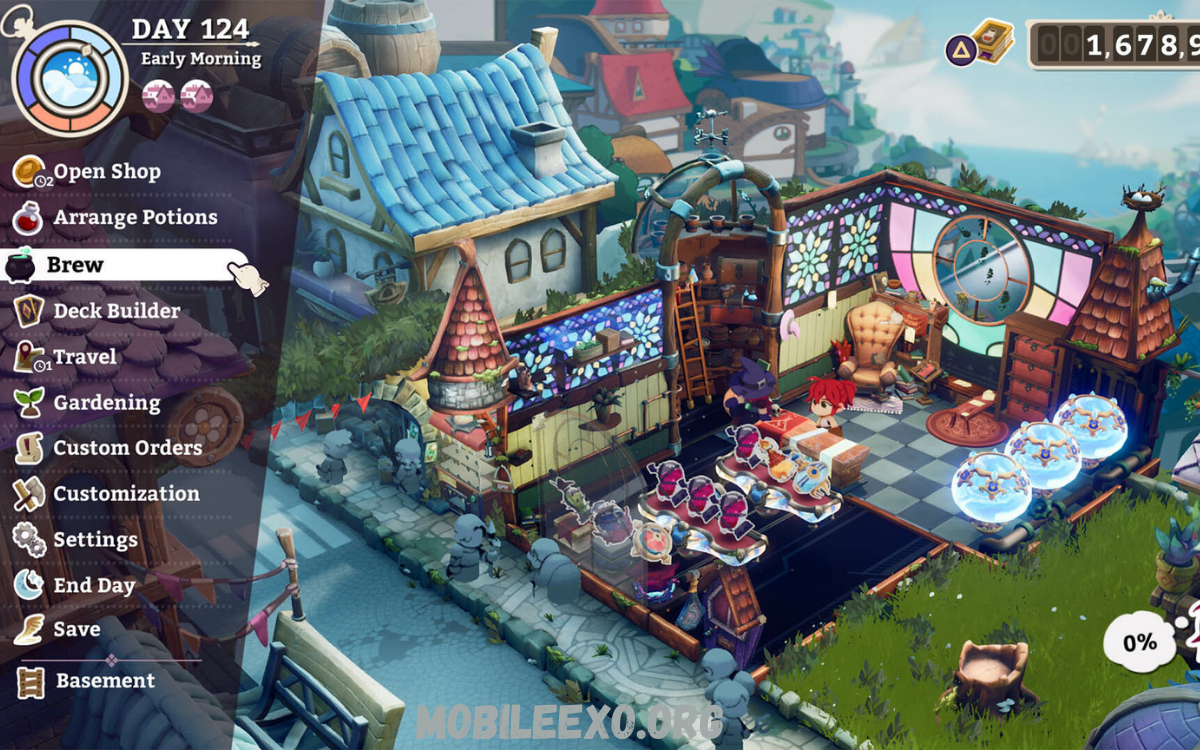
Simulation games provide players with a unique blend of strategy, creativity, and decision-making, enabling them to immerse themselves in virtual worlds that closely mirror real-life scenarios. From building sprawling cities and managing complex businesses to piloting aircraft and running entire civilizations, these games challenge your ability to plan, adapt, and think critically.
You are a First-time virtual environment player or an experienced player seeking to refine your techniques, the right approach can significantly enhance your gameplay. Key elements, such as resource management, time allocation, and strategic decision-making, are crucial to maintaining efficiency and achieving your goals.
Understanding Simulation Games
Simulation games are designed to simulate real-life scenarios, giving players control over complex systems and requiring them to employ thoughtful strategy. They can range from city-building simulations like SimCity to life simulators like The Sims, farming games like Stardew Valley, and professional simulations, including flight or train simulators. The appeal lies in the ability to make decisions, observe the outcomes, and refine strategies to improve performance over time.
Key Features of Simulation Games
- Realism – Accurate depiction of real-world systems.
- Strategy – Requires careful planning and decision-making.
- Problem-Solving – Encourages critical thinking and adaptability.
- Resource Management – Focuses on efficient use of time, money, and materials.
- Customization – Allows personalization of environments, characters, and strategies.
Benefits of Playing Simulation Games
Simulation games offer more than just entertainment. They provide cognitive, social, and practical benefits that can enhance skills applicable to both gaming and real life.
Cognitive Skill Development
Simulation games require strategic thinking, problem-solving, and long-term planning. Players learn to anticipate challenges, analyze patterns, and make decisions based on data. These skills improve memory, attention, and logical reasoning.
Stress Relief and Entertainment
Unlike fast-paced action games, simulation games offer a more controlled environment, allowing players to relax while engaging in constructive activities. Managing a virtual city or running a farm can be therapeutic and satisfying.
Learning Real-World Concepts
Many simulation games introduce players to real-world scenarios such as economics, urban planning, agriculture, or aviation. This experiential learning helps develop practical knowledge in a safe, risk-free environment.
Social Interaction
Multiplayer simulation games provide opportunities for collaboration, competition, and community building. Players can share strategies, cooperate on projects, and participate in online communities, enhancing social engagement.
Importance of Mastering Simulation Games
Mastering simulation games is not just about winning or achieving high scores; it’s also about understanding the game’s mechanics and strategies. It involves understanding the game mechanics, developing effective strategies, and applying critical thinking to optimize outcomes. For enthusiasts, mastering these games can provide a sense of accomplishment, improved problem-solving skills, and even career-relevant insights in fields such as business management, logistics, or urban planning.
Strategic Thinking
Simulation games require players to plan ahead, manage resources, and respond to unexpected challenges. This strategic approach mirrors real-world decision-making, making mastery both intellectually rewarding and practically valuable.
Adaptability and Learning
Successful simulation players adapt quickly, learn from mistakes, and refine strategies based on outcomes. These adaptive skills are highly transferable to real-life scenarios, enhancing analytical thinking and flexibility.
Goal-Oriented Mindset
Mastering simulation games encourages setting achievable goals, prioritizing tasks, and tracking progress—skills that are essential in professional and personal development.
Read Alsao: Immersive Driving Simulator Games – Experience Realistic Roads and Vehicles
How to Get Started with Simulation Games?
Starting with simulation games can be simple if approached strategically. Here’s a step-by-step guide to begin your journey:
Step 1: Choose the Right Game
Select a game that matches your interests. City-building simulations, life simulators, farming games, and transportation games all offer distinct experiences. Beginners may want to start with games that provide tutorials and gradual progression.
Step 2: Understand the Mechanics
Spend time learning the game’s rules, systems, and controls. Understanding the mechanics is crucial to developing effective strategies.
Step 3: Start Small
Begin with small projects or manageable challenges. Avoid overwhelming yourself with complex tasks at the start. Gradually increase difficulty as you become more comfortable with the game environment.
Step 4: Plan and Strategize
Successful simulation gameplay depends on careful planning. Set short-term and long-term goals, manage resources efficiently, and anticipate potential challenges.
Step 5: Learn from Experience
Simulation games reward trial and error. Analyze mistakes, refine strategies, and adjust your approach to achieve better results over time.
Step 6: Explore Communities
Join forums, online communities, or social media groups where players share tips, strategies, and insights. Learning from others can accelerate your mastery and provide new ideas for gameplay.
Tips for Accessing Simulation Games for Free
While many simulation games are premium, several options exist for free or low-cost access:
- Free-to-Play Versions – Some simulation games offer free basic versions with optional paid upgrades.
- Open-Source Games – Platforms like itch.io host open-source simulations created by independent developers.
- Demo Versions – Many commercial games provide demo versions for players to try before purchasing.
- Educational Platforms – Some educational websites offer simulation games for free to teach specific skills.
- Mobile Apps – Numerous free simulation games are available on mobile devices with optional in-app purchases.
Advanced Strategies to Master Simulation Games
Once comfortable with the basics, advanced strategies can help elevate your gameplay:
Optimize Resource Management
Efficient use of in-game resources is critical. Learn to balance spending, saving, and investing to maintain steady growth and prevent bottlenecks.
Monitor Progress Regularly
Track key performance indicators (KPIs) within the game, such as population happiness, financial stability, or production efficiency, depending on the game type.
Experiment with Strategies
Don’t rely on a single approach. Test different tactics, learn from outcomes, and adapt strategies to suit changing conditions in the game environment.
Automate When Possible
Many simulation games allow automation of repetitive tasks. Leveraging these features frees up time for more strategic planning at the higher level.
Keep Learning
Stay updated with new game updates, patches, and community strategies. Continuous learning ensures you remain competitive and can fully exploit new features.
Future of Simulation Games
Simulation games are evolving rapidly, integrating advanced AI, virtual reality (VR), and augmented reality (AR). These innovations promise more immersive experiences, realistic simulations, and interactive environments that further enhance learning and entertainment. Mastery of these games will require not only strategic thinking but also adaptability to emerging technologies.
Frequently Asked Questions
How can I get simulation games for free?
You can access free-to-play versions, demos, open-source simulations, educational platforms, or mobile apps with optional in-app purchases.
What is the importance of resource management in simulation games?
Resource management is essential for success, as it ensures efficient use of money, materials, and time, helping players achieve long-term goals.
Are multiplayer simulation games better than single-player?
Both have advantages. Multiplayer games enable collaboration, competition, and community engagement, while single-player modes provide a more controlled and focused experience.
Can simulation games improve real-life skills?
Yes. Players develop problem-solving, strategic thinking, decision-making, and planning skills in professional contexts.
How can I master a simulation game faster?
Focus on learning the mechanics, practicing consistently, experimenting with strategies, monitoring progress, and engaging with online communities for tips and advice.
Conclusion
Simulation games are more than just entertainment; they are a platform for strategic thinking, problem-solving, and creative expression. By understanding the mechanics, exploring advanced strategies, and taking advantage of free access options, players can maximize both enjoyment and skill development.
Players seeking relaxation or serious gamers aiming for expertise. Simulation games offer endless opportunities to learn, experiment, and thrive in virtual worlds. Transform your gameplay into a deeply engaging, intellectually stimulating, and rewarding experience.
