

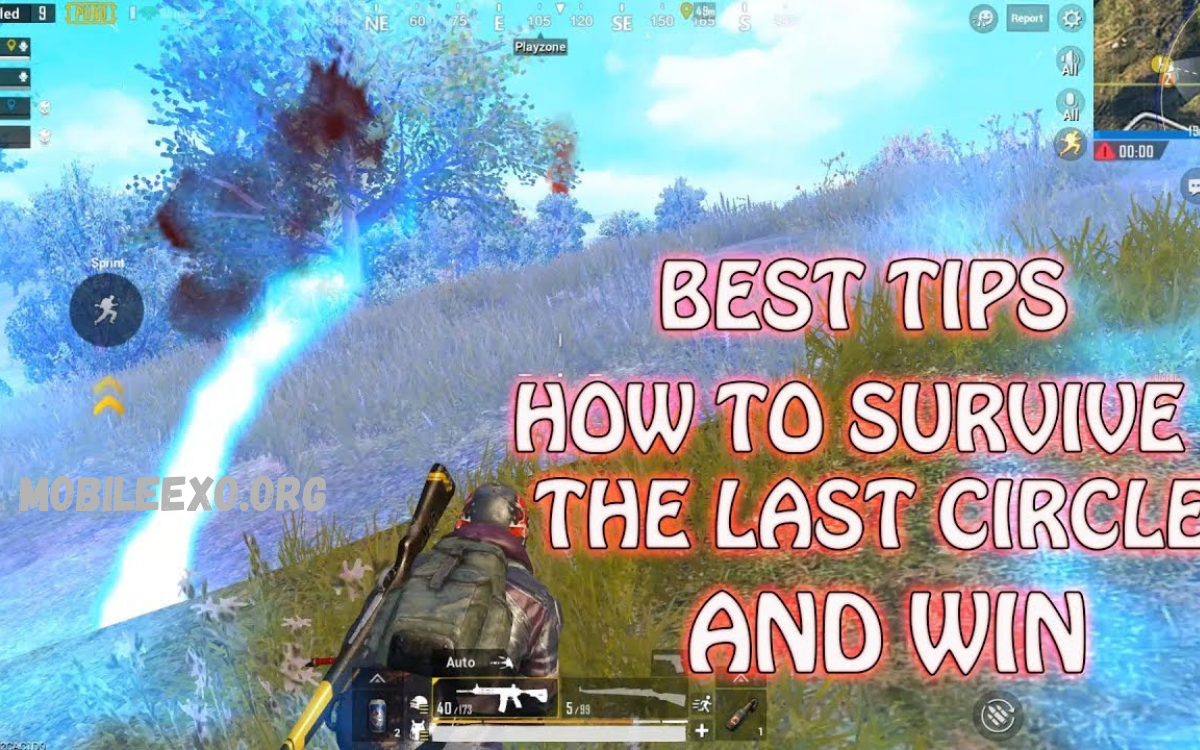
Winning a battle royale match rarely depends on early aggression or mid-game dominance. Victory almost always comes down to performance during the final moments, when space collapses, resources thin, and decision-making carries extreme consequences. Understanding tips for winning final circle separates consistent winners from players who finish second repeatedly.
Final circle gameplay demands discipline, situational awareness, positioning intelligence, and emotional control. Mechanical skill remains important, but endgame outcomes often favor players who think faster, rotate smarter, and pressure opponents strategically rather than emotionally.
Understanding Final Circle Dynamics
Final circle represents a compressed battlefield where every action produces immediate consequences. Player count decreases, sightlines shorten, and rotations become predictable. Unlike early phases, mistakes cannot be recovered.
Key characteristics define final circle situations:
- Limited movement space
- High information density
- Forced engagements
- Reduced margin for error
Recognizing these dynamics allows adaptation from survival mindset to victory mindset.
Positioning as Primary Win Condition
Among all tips for winning final circle, positioning remains the most decisive factor.
High Ground Advantage
Elevated positioning provides superior visibility, natural cover, and angle control. High ground allows pre-aiming opponent rotations and forces enemies into reactive movement. Even modest elevation creates meaningful combat advantages.
When high ground becomes available, securing position early often eliminates need for aggressive pushes later.
Edge Control Strategy
Playing near circle edge reduces exposure angles. Central positioning increases vulnerability from multiple directions. Edge control enables focused attention on limited threat vectors.
Edge players also leverage zone pressure, forcing opponents into predictable movement patterns.
Terrain Awareness
Final circle terrain dictates viable strategies. Natural cover, elevation shifts, buildings, rocks, and vegetation all influence engagement decisions. Winning players identify strongest terrain features early and rotate intentionally.
Ignoring terrain analysis leads to reactive movement and rushed fights.
Information Management and Awareness
Information drives final circle success. Skilled players treat awareness as a resource equal to health or ammunition.
Sound Interpretation
Footsteps, reload sounds, healing cues, weapon swaps, and movement abilities provide actionable intelligence. Correct interpretation allows prediction rather than reaction.
Silence often indicates repositioning or ambush preparation.
Player Count Tracking
Constant awareness of remaining opponents shapes aggression decisions. One remaining enemy justifies different risk tolerance than three remaining threats.
Misjudging player count leads to unnecessary exposure or missed opportunities.
Visual Scanning Discipline
Final circle demands controlled camera movement. Over-scanning creates distraction. Under-scanning creates blind spots. Professional players maintain deliberate visual checks aligned with likely movement paths.
Resource Optimization Before Final Engagement
Effective tips for winning final circle emphasize preparation rather than improvisation.
Health and Shield Management
Entering final circle without full survivability reduces margin for error. Healing items represent insurance against chip damage, zone ticks, and unexpected third-party shots.
Smart players preserve consumables until positional advantage becomes secured.
Ammunition Control
Ammo shortages force unnecessary pushes. Players should evaluate ammo economy before final collapse and avoid mid-range spam that provides little strategic value.
Selective pressure replaces reckless firing.
Utility Preservation
Grenades, smokes, deployables, movement tools, or defensive abilities often determine final circle outcomes. Utility usage should serve positional gain or force opponent displacement.
Random usage wastes win conditions.
Read Also: How to Use Grenades in Battle Royale – Expert Strategies for Maximum Impact
Rotation Timing and Zone Manipulation
Final circle rotation mistakes eliminate more players than gunfights.
Early Rotation Advantage
Early movement secures priority positioning and reduces exposure. Late rotations invite crossfire and force desperate pushes.
Predictive movement matters more than reaction speed.
Zone as Tactical Weapon
Winning players weaponize zone pressure. Forcing opponents to move first creates timing windows for damage, reload denial, and forced healing.
Standing inside safe zone while opponents scramble often guarantees victory without direct confrontation.
Movement Discipline
Panicked movement creates audio cues and erratic positioning. Calm, controlled movement preserves stealth and control.
Sometimes remaining stationary produces better outcomes than aggressive repositioning.
Controlled Aggression Versus Overcommitment
Final circle aggression requires discipline.
Selective Pressure
Applying damage without committing forces opponents into healing cycles, reducing their ability to challenge positioning. Pressure creates psychological stress.
Sustained pressure differs from reckless pushing.
Commitment Decision Making
Once commitment occurs, hesitation must disappear. Partial pushes fail consistently. Players should evaluate risk, then execute decisively.
Backing out late creates vulnerability.
Third-Party Awareness
Final circle engagements attract attention. Smart players wait for health depletion, reload timing, or knock confirmation before committing.
Third-party discipline wins matches efficiently.
Close-Range Combat Preparation
Most final circles end in close-range encounters.
Weapon Selection
Reliable close-range weapons provide consistency. Endgame favors damage reliability over range versatility.
Prepared players adjust loadouts earlier to accommodate final engagements.
Pre-Aim Discipline
Anticipating exits, cover edges, and forced rotations allows first-shot advantage. Pre-aiming reduces reaction dependency.
First damage often decides fights.
Movement Control
Unnecessary movement creates audio cues and visual exposure. Controlled strafing and minimal jumping reduce predictability.
Professional movement emphasizes efficiency, not flashiness.
Psychological Control and Mental Discipline
Mental control remains one of the most overlooked tips for winning final circle.
Stress Management
Final moments increase heart rate and decision fatigue. Calm players process information faster and make better decisions.
Breathing control and pacing prevent tunnel vision.
Confidence Without Recklessness
Confidence enables decisive action. Recklessness ignores risk evaluation. Skilled players balance assertiveness with patience.
Winning mindset prioritizes positioning over ego.
Anticipating Skilled Opponents
Assuming opponent competence encourages disciplined play. Underestimating opponents leads to careless exposure.
Preparedness outperforms arrogance.
Decision Framework for Final Circle
Professional players continuously evaluate three questions:
- Who must move first
- Which position offers highest win probability
- What action forces opponent mistakes
This framework prevents emotional decision-making.
Common Final Circle Mistakes to Avoid
Avoiding mistakes matters as much as executing strengths.
Overexposing for Damage
Chasing damage sacrifices positioning. Damage without displacement offers limited value.
Ignoring Zone Timers
Zone damage escalates quickly. Misjudging timing creates forced engagements.
Tunnel Vision
Focusing on one opponent ignores third-party risk. Awareness must remain global.
Wasting Utility Early
Utility misuse removes win conditions. Timing matters more than quantity.
Adapting Tips for Winning Final Circle Across Games
These principles apply regardless of specific mechanics:
- Position before aggression
- Information before movement
- Pressure before commitment
- Control before chaos
Game-specific abilities modify execution, not philosophy.
Training for Final Circle Consistency
Practice habits shape performance.
Endgame Review
Recording gameplay reveals positioning mistakes and rotation errors. Review improves pattern recognition.
Intentional Late-Game Practice
Focusing on survival into late phases builds experience. Hot dropping alone rarely teaches endgame control.
Decision-Focused Training
Evaluate decisions rather than kills. Winning often requires restraint.
Frequently Asked Questions
What are the most important tips for winning final circle?
The most important tips for winning final circle include securing strong positioning, controlling rotation timing, managing resources efficiently, and forcing opponents to move first.
Why is positioning critical in the final circle?
Positioning limits attack angles, provides cover, and allows players to dictate engagement timing. Strong positioning often wins final circle fights without requiring aggressive pushes.
How can zone pressure be used effectively in the final circle?
Zone pressure forces opponents into predictable movement, creating opportunities for damage, displacement, or elimination while maintaining positional safety.
Should players push aggressively in the final circle?
Aggression should be selective. Applying pressure without overcommitting forces healing and mistakes, while reckless pushes frequently result in elimination.
What role does resource management play in final circle success?
Health, ammunition, and utility directly affect survivability. Entering final circle with depleted resources significantly reduces win probability.
How does sound awareness impact final circle outcomes?
Sound cues reveal enemy movement, healing, and positioning. Accurate sound interpretation allows anticipation rather than reaction.
Conclusion
Victory in battle royale environments depends less on early dominance and more on execution during compressed, high-pressure scenarios. Implementing professional tips for winning final circle transforms performance consistency.
Players who prioritize positioning, information control, disciplined aggression, and mental clarity win more matches with fewer risks. Final circle success emerges from preparation, patience, and precision rather than panic or brute force.
