

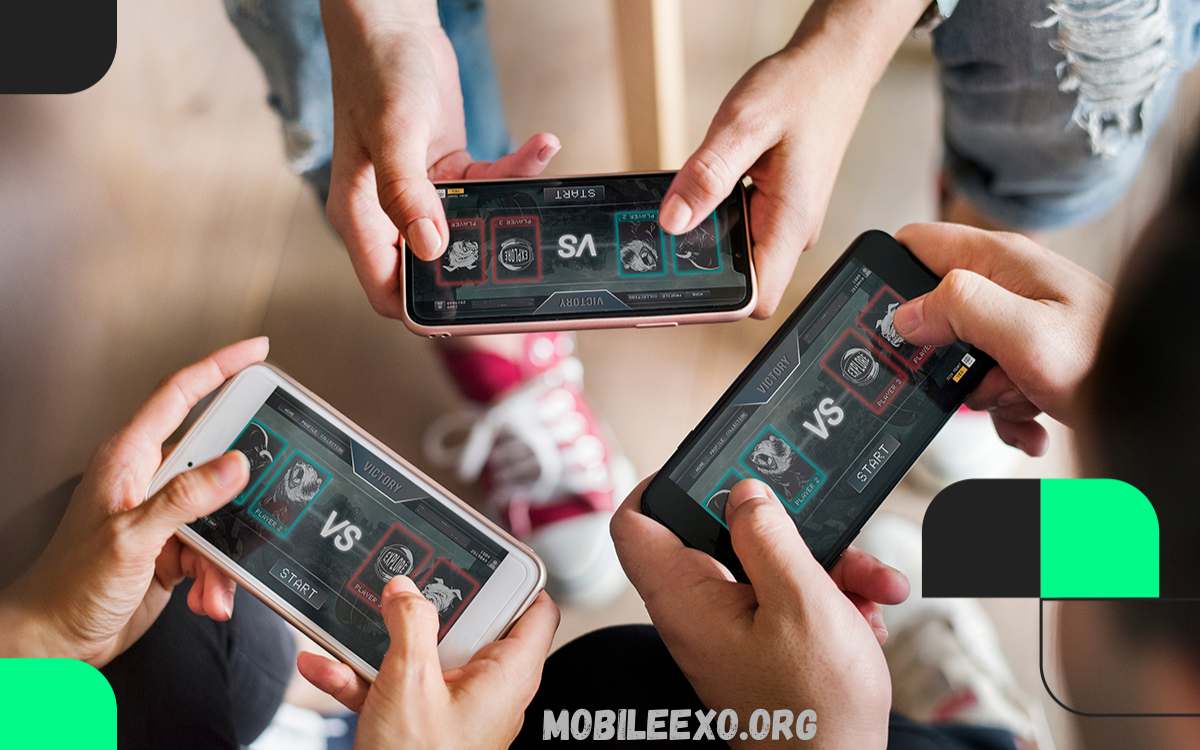
Mobile game localization is the process of adapting a game for different languages, cultures, and markets so that players around the world can enjoy an experience that feels natural and engaging. It goes far beyond the direct translation of on-screen text. Effective localization considers cultural nuances, humor, symbols, character names, voice acting, user interface constraints, and even gameplay mechanics that may resonate differently across regions.
As mobile games are often played in short sessions and on small screens, clarity and precision in language are essential. Poorly localized content can break immersion, confuse players, or unintentionally offend cultural sensibilities. Conversely, well-executed localization helps players feel that the game was made specifically for them, fostering emotional connection and brand loyalty.
Importance of Mobile Game Localization
Mobile game localization allows developers to expand revenue streams by entering new markets. Free-to-play models, in particular, benefit from localized content because engagement, retention, and in-app purchases increase when players experience content that aligns with their language and culture. Poor localization can result in confusion, reduced retention, and negative reviews. Conversely, accurate localization enhances immersion, brand loyalty, and monetization potential.
Key Elements of Mobile Game Localization
- Text and Dialogue Translation: Every line of dialogue, tutorial, menu, and tooltip must convey the intended meaning clearly. Literal translations often fail to capture tone or humor, leading to poor user experience.
- Cultural Adaptation: Symbols, gestures, character names, and color schemes may carry different connotations across regions. Mobile game localization adjusts these elements to prevent misunderstandings or cultural offense.
- User Interface Optimization: Screen size, button placement, and text expansion vary by language. Mobile game localization ensures that all text fits within interface constraints without breaking layouts.
- Audio and Voiceovers: Voice acting adds authenticity. Mobile game localization often requires recording dialogues in multiple languages, including lip-sync adjustments for animated characters.
- Monetization Strategies: Payment methods, pricing, and promotions may require localization. Different regions respond differently to in-app purchase structures and advertising styles.
Challenges in Mobile Game Localization
Localization for mobile games faces unique challenges. Character limits in interface elements can restrict translation options. Cultural references may require rewriting entire scenes. Technical integration demands collaboration between localization teams, developers, and quality assurance specialists to ensure a seamless user experience.
Read Also: How to Rank Mobile Games in App Store – Complete Professional Guide
Best Practices for Mobile Game Localization
- Early Integration: Incorporating localization planning during development reduces costs and ensures consistency.
- Professional Localization Teams: Native speakers with cultural knowledge deliver higher-quality results than automated tools alone.
- Continuous Updates: Mobile games often evolve with events, updates, and expansions. Ongoing localization maintains alignment with global releases.
- Player Feedback: Engaging with international communities identifies areas requiring refinement and improves overall experience.
Frequently Asked Questions
What is mobile game localization?
Mobile game localization is the process of adapting a game for different languages, cultures, and regions, ensuring content, interface, and gameplay feel natural to players worldwide.
How does mobile game localization differ from translation?
Translation converts text from one language to another. Localization goes further, adapting cultural references, UI elements, audio, visuals, and even gameplay mechanics to align with regional preferences.
Why is mobile game localization important?
Localization increases player engagement, retention, and monetization by creating a seamless experience tailored to diverse audiences. Games without localization risk negative reviews and low global adoption.
Which elements require localization in mobile games?
Text, dialogue, menus, tutorials, icons, in-game events, character names, graphics, colors, cultural references, audio, voiceovers, and payment methods all require careful localization.
When should localization start in game development?
Early integration during development is ideal. Planning localization from the beginning reduces costs, prevents rework, and ensures consistent quality across languages.
Conclusion
Mobile game localization transforms games from regional products into global experiences. By addressing linguistic, cultural, and technical considerations, developers maximize engagement, retention, and revenue in diverse markets. Strategic mobile game localization ensures games resonate with audiences worldwide, fostering long-term loyalty and competitive advantage.
