

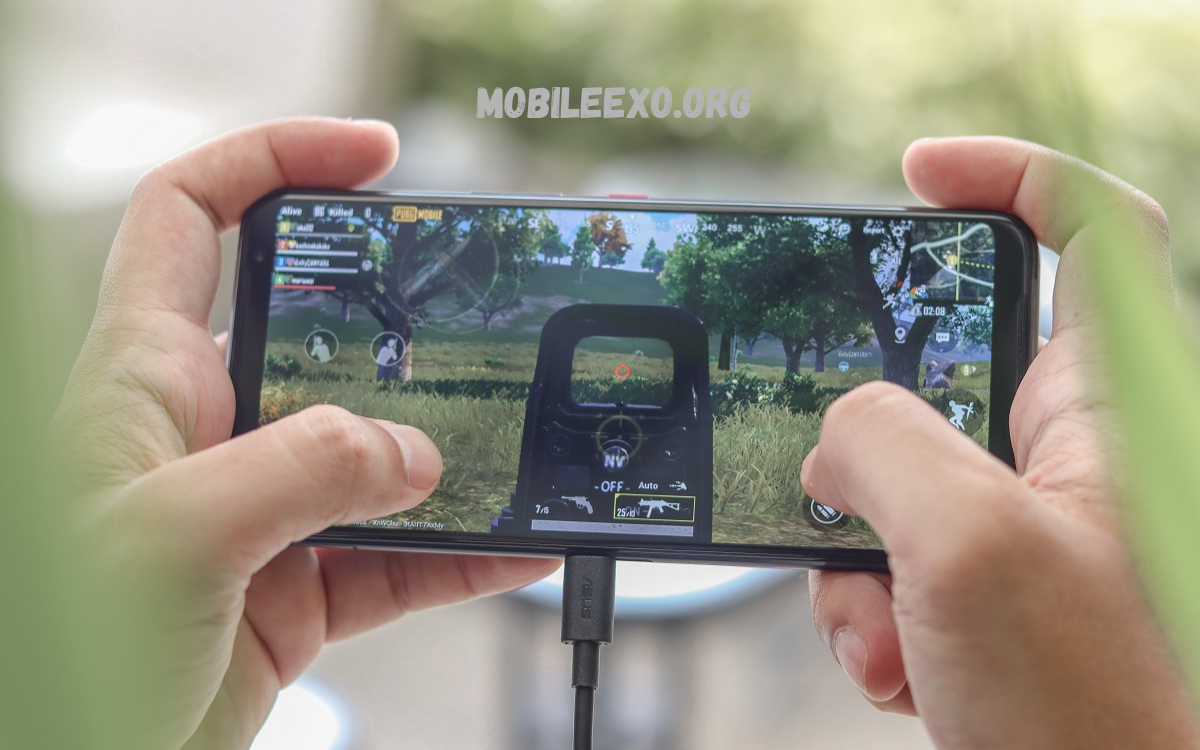
Mobile gaming has evolved from simple time-pass apps to graphics-intensive, competitive experiences that rival console and PC titles. As a result, choosing the right smartphone for gaming is no longer just about brand preference; it’s about performance, thermal management, display quality, and battery endurance.
Key factors that define a strong gaming phone include a powerful chipset, ample RAM, and efficient cooling systems that prevent overheating during extended play. High-refresh-rate displays, typically 120Hz or higher, provide smoother visuals that can significantly improve reaction times in fast-paced games.
Performance: Core Foundation of Gaming Phones
Gaming performance depends primarily on chipset architecture. Flagship processors deliver high clock speeds, advanced GPU units, and efficient AI engines. Modern gaming phones integrate top-tier chipsets built on smaller nanometer processes, enabling better performance-per-watt efficiency.
Key performance factors include:
- CPU power: Handles game logic, background processes
- GPU capability: Renders graphics, textures, lighting effects
- RAM capacity: Ensures multitasking, smooth gameplay transitions
- Storage speed: Faster load times, reduced lag
Best phones for gaming usually feature 12GB to 24GB RAM, UFS 4.0 storage, flagship processors designed for sustained heavy workloads. Performance stability remains critical, not just peak benchmark scores.
Cooling Systems: Sustained Performance Without Throttling
High-performance gaming generates significant heat. Without proper thermal management, devices reduce clock speeds, causing frame drops, lag spikes. Advanced gaming smartphones integrate multi-layer cooling systems.
Common cooling technologies include:
- Vapor chamber cooling
- Graphite heat dissipation layers
- Active cooling fans (in specialized gaming phones)
- Liquid cooling solutions
Effective cooling ensures consistent FPS during long gaming sessions, especially in competitive titles requiring precision timing.
Display Technology: Visual Precision and Smoothness
Display quality directly impacts gaming experience. Best phones for gaming feature high refresh rate panels, fast touch response, vivid color accuracy.
Important display specifications:
- Refresh rate: 120Hz, 144Hz, 165Hz for smoother visuals
- Touch sampling rate: Faster input recognition
- Resolution: Full HD+ or higher for clarity
- Panel type: AMOLED preferred for contrast, color depth
High refresh rate combined with optimized GPU output delivers fluid animations, reduced motion blur, enhanced reaction time.
Battery Performance: Endurance for Extended Sessions
Gaming consumes large amounts of power. Best phones for gaming include high-capacity batteries paired with efficient chipsets.
Key battery considerations:
- 4500mAh to 6000mAh capacity
- Fast charging technology (65W, 100W, or higher)
- Power-efficient display and processor
- Intelligent battery optimization software
Long battery life ensures uninterrupted gaming sessions, while fast charging minimizes downtime between sessions.
Read Also: Cooling Solutions for Gaming Phones – Complete Guide to Performance and Thermal Control
Software Optimization: Gaming Modes and System Efficiency
Hardware alone cannot guarantee superior gaming performance. Software optimization plays equally critical role. Gaming-focused smartphones include dedicated modes that enhance performance.
Typical gaming software features:
- Performance boosting modes
- Background process restriction
- Network optimization for reduced latency
- Notification blocking during gameplay
- Frame rate stabilization
Optimized software ensures consistent gameplay, minimal interruptions, improved network responsiveness.
Audio Systems: Immersive Gaming Experience
Audio quality often overlooked but essential for competitive advantage. Best phones for gaming feature stereo speakers, spatial audio support, enhanced sound engines.
Benefits of high-quality audio:
- Accurate directional sound cues
- Better immersion in action games
- Clear communication in multiplayer environments
Some gaming phones also support advanced haptic feedback systems, creating tactile response synchronized with gameplay.
Build Design and Ergonomics
Gaming sessions often extend over long durations, making ergonomics crucial. Best phones for gaming feature designs optimized for comfort, grip, heat distribution.
Design considerations include:
- Balanced weight distribution
- Anti-slip textures or finishes
- Shoulder triggers or gaming buttons
- Landscape-friendly layouts
Dedicated gaming phones often incorporate RGB lighting, aggressive aesthetics, though performance remains primary factor.
Connectivity and Network Performance
Online multiplayer gaming requires stable, low-latency connectivity. Best phones for gaming include advanced networking features.
Important connectivity elements:
- 5G support for faster data speeds
- Wi-Fi 6 or Wi-Fi 7 compatibility
- Low-latency Bluetooth
- Dual-band network optimization
Stable connectivity reduces lag, packet loss, ensuring smoother multiplayer gameplay.
Storage Capacity and Speed
Modern games require significant storage space, often exceeding several gigabytes per title. Fast storage also affects load times and in-game transitions.
Best phones for gaming typically offer:
- 256GB to 1TB storage options
- High-speed UFS storage standards
- Efficient file management systems
Large, fast storage ensures seamless gaming experience without performance bottlenecks.
Advanced Gaming Features
High-end gaming smartphones differentiate themselves through specialized features designed specifically for gamers.
Examples include:
- Air triggers or physical shoulder buttons
- External cooling accessory support
- Game overlay dashboards
- Screen recording tools
- Customizable performance profiles
These features enhance control precision, personalization, competitive edge.
Camera Systems: Secondary but Relevant
While gaming remains primary focus, many users still value camera performance. Best phones for gaming often include flagship-level camera systems, ensuring versatility.
Camera quality does not directly impact gaming performance but influences overall device value.
Price-to-Performance Consideration
Not every user requires ultra-premium gaming phone. Market includes wide range of devices offering strong gaming performance at different price points.
Categories include:
- Premium flagship gaming phones
- Upper mid-range performance phones
- Budget gaming-friendly devices
Choosing best phone for gaming depends on budget, performance requirements, gaming intensity.
Emerging Trends in Gaming Smartphones
Mobile gaming technology continues evolving rapidly. Future trends shaping best phones for gaming include:
- Cloud gaming integration
- AI-driven performance optimization
- Advanced cooling innovations
- Higher refresh rate displays
- Battery efficiency improvements
Manufacturers increasingly focusing on delivering console-level performance in mobile form factor.
Final Evaluation
Selecting best phones for gaming requires comprehensive assessment across multiple technical dimensions. Performance hardware, cooling efficiency, display quality, battery endurance, software optimization collectively determine gaming capability.
High-end gaming smartphones provide exceptional experience with smooth frame rates, responsive controls, immersive visuals. Strong mid-range devices also deliver impressive gaming performance for most users.
Frequently Asked Questions
Why cooling system important in gaming phones?
Cooling system prevents overheating, maintains stable performance, avoids thermal throttling, ensures consistent frame rates during long gaming sessions.
Which processor best for gaming phones?
Flagship processors deliver best performance. High-end chipsets provide strong CPU, GPU power, efficient energy usage, better handling of graphics-intensive games.
How important battery capacity for gaming?
Battery capacity critical. Gaming consumes high power. Devices with 4500mAh–6000mAh batteries support longer sessions, fast charging reduces downtime.
Do gaming phones include special features?
Yes. Gaming phones often include shoulder triggers, game modes, advanced haptics, enhanced cooling, customizable performance settings.
Is storage size important for gaming smartphones?
Yes. Modern games require large space. Minimum 128GB recommended, 256GB or higher preferred for multiple high-size games, updates, media files.
Can mid-range phones handle gaming?
Yes. Many mid-range phones support smooth gameplay for most titles, though ultra settings, high FPS performance limited compared to flagship devices.
Are gaming phones better than regular flagship phones?
Gaming phones offer specialized features, better cooling, sustained performance. Regular flagship phones still deliver strong gaming performance with balanced overall features.
Conclusion
Best phones for gaming represent the convergence of advanced hardware engineering, intelligent software optimization, and user-centric design. Right choice depends on gaming preferences, performance expectations, budget constraints. With correct selection, mobile gaming transforms into high-performance, immersive experience rivaling traditional gaming systems.
