

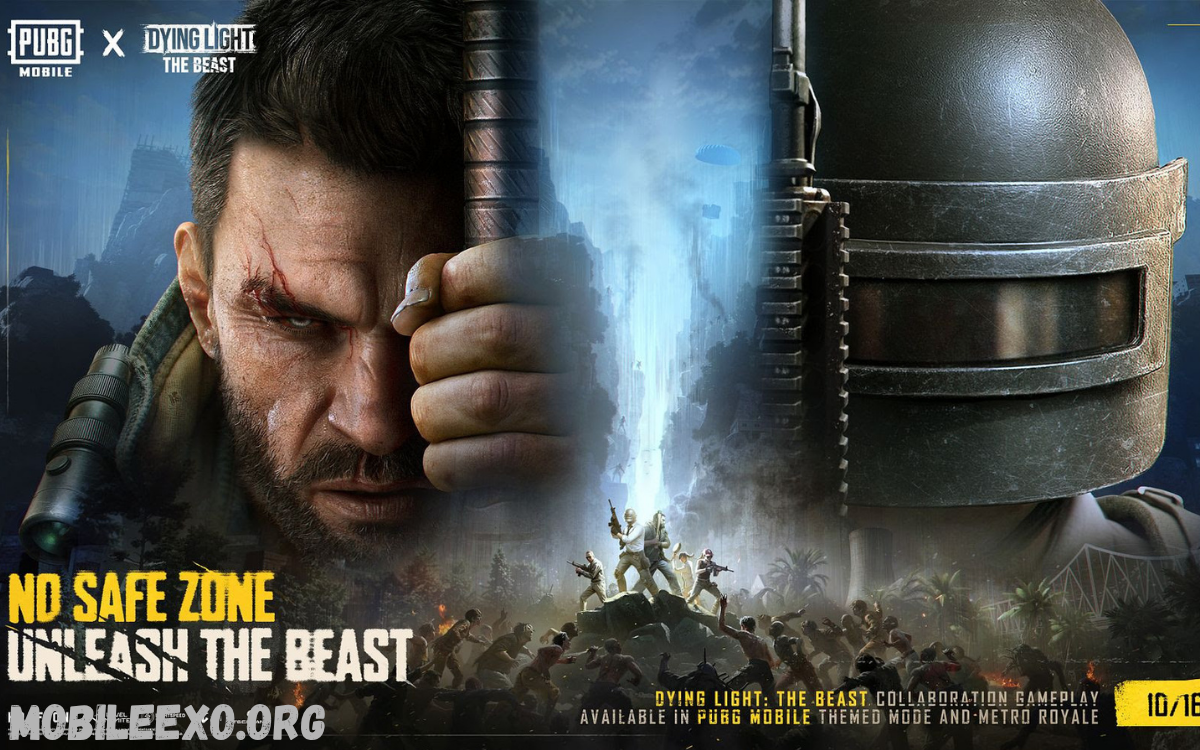
The crossover between simulation and battle royale represents one of the most compelling developments in modern game design. While battle royale games traditionally emphasize fast-paced survival, shrinking play zones, and player-versus-player competition, simulation games prioritize realism, detailed systems, and resource management.
For developers, designers, publishers, and industry professionals, understanding the crossover between simulation and battle royale provides valuable insights into evolving player expectations and emerging market opportunities.
About Battle Royale Fundamental
Battle royale games revolve around a straightforward yet compelling gameplay loop. Numerous players begin within a shared environment, gather resources, eliminate opponents, and survive until only one individual or team remains.
Core mechanics generally include:
- Large multiplayer environments
- Progressive safe-zone reduction
- Loot acquisition
- Equipment upgrades
- Tactical positioning
- High-risk decision making
- Resource scarcity
- Dynamic encounters
These mechanics encourage adaptability because every match unfolds differently. Randomized loot distribution and unpredictable player behavior generate continuous replay value.
However, traditional battle royale titles often simplify environmental systems to maintain accessibility and fast pacing. This limitation creates opportunities where simulation mechanics introduce additional strategic depth.
What Defines Simulation Gameplay?
Simulation games seek to replicate realistic systems through detailed mechanics and interconnected variables. Rather than focusing solely on action, simulations encourage players to understand environments, resources, logistics, economics, physics, or human behavior.
Simulation mechanics commonly include:
- Realistic weather
- Ballistics
- Medical systems
- Vehicle maintenance
- Fuel consumption
- Terrain interaction
- Character fatigue
- Resource production
- Crafting
- Environmental hazards
Instead of isolated gameplay mechanics, simulations rely on interconnected systems where one decision influences numerous outcomes.
This systemic design philosophy creates emergent gameplay, allowing players to solve problems creatively instead of following predetermined paths.
Why the Crossover Between Simulation and Battle Royale Matters
The crossover between simulation and battle royale expands player agency by transforming every match into a complex survival scenario rather than a straightforward elimination contest.
Instead of merely locating stronger weapons, players may need to consider:
- Nutrition
- Hydration
- Shelter
- Weather exposure
- Medical treatment
- Equipment durability
- Ammunition management
- Transportation logistics
Each layer increases immersion while encouraging meaningful strategic planning.
Professional developers recognize that today’s audiences appreciate games where intelligence complements reflexes. Success increasingly depends on planning, observation, adaptation, and environmental awareness.
Systemic World Design
Simulation-heavy battle royale environments operate through interconnected systems instead of isolated gameplay events.
Environmental systems may include:
- Day-night cycles
- Dynamic weather
- Wildlife behavior
- Seasonal changes
- Flooding
- Fire propagation
- Wind direction
- Temperature fluctuations
Rather than serving purely aesthetic purposes, these systems directly influence combat effectiveness, visibility, mobility, and survival.
For example, heavy rainfall might reduce visibility while simultaneously masking footsteps. Strong winds could alter projectile trajectories. Snow accumulation might slow movement but conceal tracks.
These interactions generate authentic tactical diversity across every match.
Advanced Survival Mechanics
Survival systems distinguish simulation-oriented battle royale experiences from traditional competitive shooters.
Potential mechanics include:
Resource Management
Players balance:
- Food supplies
- Water reserves
- Medical inventory
- Fuel
- Repair materials
- Ammunition
Every item carries opportunity costs that influence long-term planning.
Physical Condition
Character performance may depend on:
- Fatigue
- Injury severity
- Blood loss
- Body temperature
- Disease
- Stress
Instead of instantly recovering after combat, players must actively manage physical health throughout extended matches.
Environmental Adaptation
Weather and geography become active gameplay participants.
Examples include:
- Hypothermia
- Heat exhaustion
- Poisonous environments
- Radiation
- Sandstorms
- Oxygen limitations
These mechanics create additional strategic layers beyond direct combat.
AI-Driven Ecosystems
Artificial intelligence significantly enhances the crossover between simulation and battle royale by introducing believable environmental activity.
AI systems may govern:
- Wildlife
- Civilian populations
- Military patrols
- Neutral factions
- Traders
- Rescue teams
- Environmental maintenance
Unlike scripted encounters, intelligent AI reacts dynamically to player actions.
For instance, loud firefights could attract hostile wildlife or AI-controlled security forces, forcing players to reconsider aggressive engagements.
Dynamic AI increases uncertainty while maintaining realism.
Realistic Physics and Ballistics
Simulation emphasizes authentic physical interactions.
Advanced systems often model:
- Bullet drop
- Wind influence
- Material penetration
- Ricochet behavior
- Explosive pressure
- Structural collapse
- Vehicle momentum
These mechanics reward observation, preparation, and environmental awareness.
Professional esports competitors often appreciate mechanics that reward technical mastery without relying solely on reaction speed.
Physics-driven gameplay also enhances spectator experiences because every encounter appears unique rather than scripted.
Dynamic Economy Systems
Economic simulation introduces another dimension to battle royale gameplay.
Players may encounter:
- NPC merchants
- Trading stations
- Resource markets
- Equipment auctions
- Repair facilities
- Crafting hubs
Prices fluctuate according to:
- Supply
- Demand
- Player activity
- Resource scarcity
- Match progression
Economic simulation encourages multiple playstyles beyond aggressive combat.
Some competitors may specialize in gathering resources before purchasing superior equipment later.
Others might dominate trade routes instead of contested combat zones.
Persistent Progression
Many hybrid experiences integrate persistent progression while preserving competitive fairness.
Long-term systems include:
- Skill specialization
- Reputation
- Crafting knowledge
- Vehicle expertise
- Medical proficiency
- Survival efficiency
These systems reward player investment without necessarily providing overwhelming combat advantages.
Progression encourages sustained engagement across multiple seasons.
Tactical Team Coordination
Simulation mechanics naturally increase communication requirements.
Professional squad coordination often expands beyond traditional callouts.
Teams may assign specialized roles such as:
- Medic
- Mechanic
- Scout
- Engineer
- Logistician
- Navigator
- Sniper
- Resource manager
Each role contributes unique strategic value throughout a match.
This specialization strengthens cooperative gameplay while encouraging diverse team compositions.
Procedural World Generation
Procedural generation complements simulation by preventing repetitive gameplay.
Randomized elements include:
- Building layouts
- Road networks
- Weather patterns
- Resource locations
- Wildlife distribution
- Terrain changes
- Infrastructure damage
Every session presents unfamiliar tactical challenges.
Developers benefit because procedural systems increase replayability without requiring handcrafted content for every possible scenario.
Technology Driving Hybrid Experiences
Several technological innovations support sophisticated simulation-based battle royale games.
Artificial Intelligence
Machine learning enables:
- Smarter NPC behavior
- Adaptive difficulty
- Personalized encounters
- Dynamic ecosystem management
Cloud Computing
Cloud infrastructure supports:
- Larger player counts
- Persistent environments
- Advanced simulations
- Real-time world updates
Modern Physics Engines
Current engines accurately simulate:
- Destruction
- Fluids
- Weather
- Vehicles
- Terrain deformation
These technologies make immersive large-scale simulations increasingly practical.
Challenges for Developers
Building simulation-focused battle royale experiences presents significant technical obstacles.
Major considerations include:
Performance Optimization
Complex simulations consume substantial CPU and memory resources.
Developers must balance realism with accessibility across diverse hardware configurations.
Network Synchronization
Every simulated variable requires accurate synchronization among numerous players.
Poor optimization increases latency and server costs.
User Experience
Excessive realism risks overwhelming new players.
Successful games gradually introduce advanced mechanics while maintaining intuitive interfaces.
Competitive Balance
Simulation systems should enhance strategic depth without introducing excessive randomness.
Professional competitive environments require predictable, understandable mechanics.
Esports Implications
The crossover between simulation and battle royale could redefine competitive gaming.
Future tournaments may reward:
- Strategic planning
- Resource efficiency
- Logistics
- Environmental awareness
- Leadership
- Team coordination
- Long-term decision making
Matches become richer narratives rather than sequences of isolated firefights.
Broadcasts also benefit because commentators can analyze multiple strategic dimensions simultaneously.
Player Psychology
Simulation influences player decision-making in meaningful ways.
Rather than pursuing constant combat, players evaluate:
- Risk
- Opportunity
- Sustainability
- Resource consumption
- Environmental threats
- Team readiness
This encourages thoughtful gameplay while reducing repetitive engagement patterns.
Psychological tension increases because every action carries persistent consequences.
Future Industry Trends
Several trends indicate continued expansion of simulation-oriented battle royale experiences.
Expected developments include:
- Fully persistent online worlds
- AI-generated missions
- Adaptive ecosystems
- Dynamic weather forecasting
- Realistic civilian interactions
- Advanced crafting systems
- Intelligent NPC factions
- Cross-platform persistent progression
- Large-scale destructible environments
- Digital twin-inspired world simulation
As hardware capabilities continue improving, developers gain greater flexibility to simulate increasingly sophisticated environments without sacrificing multiplayer performance.
Cloud technologies and edge computing will likely support thousands of concurrent environmental calculations, enabling unprecedented levels of realism.
Business Opportunities
Studios investing in hybrid gameplay can reach multiple player demographics simultaneously.
Simulation enthusiasts appreciate realism and strategic complexity.
Battle royale audiences enjoy competitive survival and unpredictable encounters.
The overlap expands potential market reach while differentiating products within an increasingly competitive gaming landscape.
Publishers also benefit from longer player retention because complex systems encourage continuous learning and mastery.
Seasonal updates can introduce new environmental variables, economic systems, weather patterns, and simulation mechanics, rather than relying exclusively on cosmetic content.
Frequently Asked Questions
What is the crossover between simulation and battle royale?
The crossover between simulation and battle royale combines realistic gameplay systems, such as survival mechanics, resource management, dynamic weather, and physics, with the competitive last-player-standing format. This hybrid approach creates more strategic and immersive multiplayer experiences.
Why are developers combining simulation mechanics with battle royale gameplay?
Developers integrate simulation mechanics to increase realism, encourage tactical decision-making, and provide players with deeper gameplay systems. These features enhance replayability and create more varied experiences in every match.
How does realistic physics improve battle royale games?
Realistic physics affects movement, ballistics, environmental interactions, vehicle handling, and destructible objects. These mechanics make combat more authentic and reward players who understand positioning, timing, and environmental conditions.
Does the crossover between simulation and battle royale appeal to competitive players?
Yes. Competitive players often appreciate the additional strategic depth offered by simulation mechanics. Success depends not only on aiming skills but also on planning, teamwork, resource management, and adapting to changing environments.
What technologies support simulation-based battle royale games?
Modern game engines, artificial intelligence, cloud computing, advanced physics systems, procedural generation, and real-time networking technologies enable developers to create large-scale, realistic multiplayer environments.
What challenges do developers face when creating these hybrid games?
The biggest challenges include maintaining performance, synchronizing complex simulation systems across multiplayer servers, balancing realism with accessibility, and ensuring fair competitive gameplay.
Can simulation elements increase player engagement?
Yes. Features such as dynamic weather, survival mechanics, realistic resource management, and persistent progression create unique gameplay scenarios that encourage long-term engagement and repeated play.
What is the future of the crossover between simulation and battle royale?
The future points toward more intelligent AI, persistent online worlds, advanced environmental simulations, larger multiplayer environments, and increasingly realistic gameplay systems that deliver deeper and more immersive competitive experiences.
Conclusion
The crossover between simulation and battle royale represents a significant evolution in multiplayer game design. By integrating realistic systems with high-stakes competitive survival, developers create experiences that reward tactical intelligence alongside mechanical skill.
For industry professionals, this hybrid genre demonstrates how innovation increasingly emerges from combining established design philosophies rather than creating entirely new genres.
