

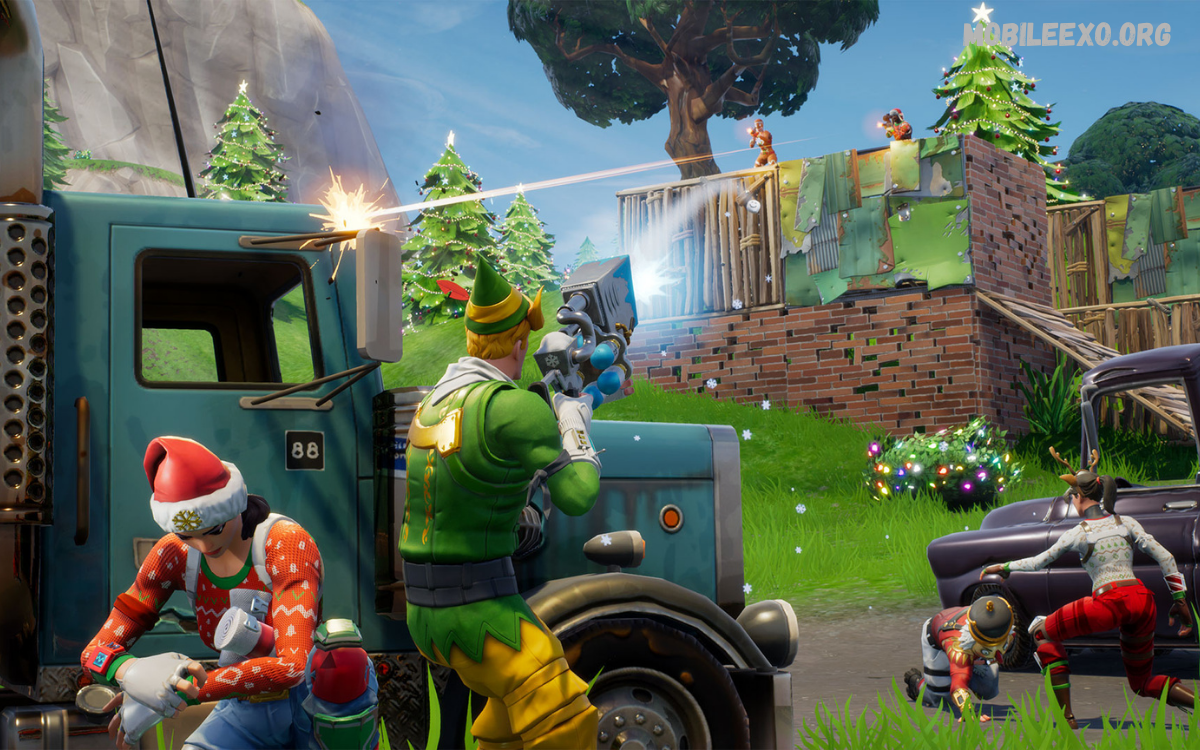
Battle Royale Tips help players survive longer, develop smarter strategies, and make better decisions in competitive matches. Battle royale games combine exploration, combat, resource management, and positioning, requiring players to adapt quickly to changing situations.
Popular battle royale titles offer different maps, weapons, characters, and movement systems. However, several principles apply across most games, including choosing good landing spots, collecting essential gear, monitoring the safe zone, and avoiding unnecessary fights.
Understanding Battle Royale Gameplay
Battle royale gameplay places multiple players or teams inside a shared environment where survival becomes the primary objective. Players collect equipment, explore the map, respond to opponents, and move toward a shrinking safe zone.
Successful gameplay involves more than eliminating opponents. Players must balance aggression with caution, understand their resources, and recognize when movement matters more than combat.
Choosing the Best Landing Location
Your landing location shapes early-game opportunities, equipment availability, and the likelihood of running into opponents. Busy locations often provide valuable loot but attract many players, creating immediate combat pressure. Quieter areas usually give you more time to collect gear, learn the layout, and prepare for later fights.
Choose landing locations according to your experience, preferred playstyle, and the match situation. Beginners may benefit from quieter areas near useful buildings or accessible routes, while experienced players might prefer contested locations for early combat practice. Always consider the safe zone, available cover, and escape options before committing to a landing plan.
Learning the Map
Map knowledge provides a significant advantage throughout a battle royale match. Familiarity with buildings, open fields, elevated positions, roads, and natural cover helps players select safer routes and recognize dangerous areas. Understanding these features also makes it easier to predict where opponents might move during different stages of a match.
Explore maps during regular gameplay and pay attention to locations that provide useful equipment or strong defensive positions. Remember common pathways, entrances, exits, and areas with limited cover. Better map awareness reduces unnecessary movement and helps players make informed decisions when the safe zone changes or unexpected combat begins.
Smart Looting Strategies
Looting involves collecting weapons, ammunition, healing supplies, armor, and other equipment needed for survival. Efficient looting focuses on essential items instead of searching every container or building. Spending too much time collecting unnecessary equipment can leave players exposed to approaching opponents or force them to rush toward the safe zone.
Prioritize a dependable weapon combination, sufficient ammunition, protective equipment, and healing items whenever available. Adjust your inventory according to the game’s mechanics and your preferred combat range. Before leaving an area, check whether your equipment supports your next move, but avoid delaying rotations simply to collect minor upgrades.
Selecting Suitable Weapons
Weapon selection affects accuracy, damage output, effective range, and combat flexibility. Some weapons perform well during close encounters, while others are better suited to medium or long distances. Carrying complementary weapons helps players respond to different situations without depending on a single combat style.
Experiment with available weapons in practice modes or casual matches to understand recoil, firing speed, reload time, and aiming behavior. Choose equipment that matches your comfort level rather than following every popular trend. Consistent familiarity with a reliable weapon often produces better results than frequently switching between unfamiliar options.
Improving Aim and Accuracy
Accurate aiming helps players use ammunition efficiently and respond more effectively during combat. Aim improves through repetition, controlled movements, suitable sensitivity settings, and a clear understanding of weapon behavior. Instead of making constant adjustments during matches, establish comfortable settings and practice with them consistently.
Use training areas to develop target tracking, crosshair placement, and recoil control where supported by the game. Keep your crosshair near likely opponent positions instead of constantly aiming at the ground. Small improvements in positioning and movement can make targets easier to track and reduce the need for sudden corrections.
Mastering Movement Techniques
Movement influences how quickly players travel, avoid incoming attacks, reach cover, and respond to changing combat conditions. Running across exposed ground without considering nearby threats can create unnecessary risks. Using available cover, changing direction when appropriate, and selecting protected routes can improve survivability.
Learn the movement mechanics available in your chosen game, including sprinting, crouching, jumping, sliding, or climbing where supported. Use these actions purposefully instead of performing them without a clear reason. Effective movement combines speed with awareness, allowing players to reposition while maintaining attention on opponents and surrounding terrain.
Understanding the Safe Zone
The safe zone is a central feature of many battle royale games, gradually limiting the playable area as a match progresses. Remaining outside the designated zone may cause damage or create other disadvantages, depending on the game. Monitoring the map and planning movement early helps prevent rushed rotations and avoidable losses.
Check the zone regularly and estimate how much time you need to reach a suitable position. Moving early can provide opportunities to choose cover, observe incoming players, and prepare for encounters. However, avoid entering unfamiliar areas without checking potential threats, since reaching the zone safely also requires awareness of surrounding terrain.
Planning Better Rotations
Rotations describe movement from one location to another as the match develops. Good rotations consider the safe zone, available cover, enemy activity, travel distance, and possible future positions. Instead of moving directly across the most exposed route, look for terrain that offers protection and alternative paths.
Choose routes that provide flexibility when opponents appear or the zone changes unexpectedly. Buildings, ridges, vegetation, and other map features may offer temporary protection depending on the game. Review the route while moving, and remain prepared to change direction when new information suggests that your original plan is no longer suitable.
Using Cover Effectively
Cover reduces exposure to enemy attacks and creates opportunities to observe opponents before choosing your next action. Trees, rocks, walls, buildings, and terrain changes can offer protection depending on the game. Open areas generally require more careful movement because opponents may have clearer views of players crossing them.
Move between protected positions whenever practical and avoid remaining predictable behind a single object. Consider whether nearby cover offers multiple exits or leaves you trapped from certain directions. Effective cover usage combines protection, observation, and movement, helping players remain prepared for both offensive and defensive situations.
Developing Strong Defensive Skills
Defensive play focuses on preserving health, maintaining advantageous positions, and avoiding unnecessary exposure. Players do not need to engage every opponent they encounter. Sometimes, staying protected, gathering information, or moving toward a better location offers greater value than beginning an uncertain fight.
Recognize situations where your equipment, health, or position creates a disadvantage. Use healing supplies when conditions permit, reposition when cover becomes unreliable, and avoid remaining in predictable locations for too long. Strong defensive decisions preserve resources and create more opportunities to participate effectively in later stages of a match.
Choosing the Right Time to Fight
Combat decisions can influence the outcome of an entire match. Engaging every opponent may attract additional enemies, consume ammunition, reveal your position, or delay movement toward safety. Before starting a fight, consider available cover, your equipment, nearby threats, and the possibility of withdrawing.
Look for situations where you have a reasonable tactical advantage, such as a protected position or a clear escape route. Avoid unnecessary confrontations when your equipment is weak or the safe zone requires immediate movement. Patience does not mean avoiding every fight; it means choosing engagements that support your overall survival strategy.
Managing Health and Healing Items
Health management helps players remain prepared for unexpected encounters and recover after combat. Healing supplies vary across games, with different items restoring health, protection, or other resources. Understanding their effects and usage requirements helps players decide which items deserve inventory space.
Monitor your health throughout the match and identify safe opportunities to recover after taking damage. Avoid beginning a lengthy healing action while exposed to nearby opponents when a safer position is available. Keep suitable supplies accessible, and learn the game’s healing limitations so that you can make informed decisions under pressure.
Improving Situational Awareness
Situational awareness means understanding what is happening around you and recognizing information that may affect your next decision. Footsteps, gunfire, visual movement, map indicators, and other audio cues can reveal nearby activity when the game supports them. Paying attention to these signals helps players avoid surprises and identify possible threats.
Use headphones when available and adjust audio settings so important gameplay sounds remain clear. Regularly check your surroundings instead of focusing exclusively on the crosshair or inventory. Awareness becomes especially valuable during rotations, looting, and late-game encounters, when a small amount of information can influence the safest available action.
Using the Mini-Map Effectively
The mini-map provides useful information about nearby terrain, zone boundaries, teammate positions, and other game-specific indicators. Checking it regularly helps players understand their location without interrupting gameplay for extended periods. It can also support navigation when traveling through unfamiliar areas or coordinating movement with a team.
Learn which indicators appear on your game’s mini-map and what each symbol represents. Combine map information with direct observation rather than assuming every threat will appear on the display. Effective map usage creates a clearer understanding of the battlefield and helps players respond to changes before they become urgent problems.
Teamwork and Communication
Teamwork becomes essential in squad-based battle royale matches, where individual decisions affect the entire group. Clear communication helps teammates share enemy locations, request supplies, coordinate movement, and respond to changing conditions. Teams that communicate effectively can make more organized decisions even when encounters become unpredictable.
Use short, specific callouts that explain the relevant information without creating confusion. Share enemy directions, approximate distances when known, and useful details about available cover. Listen to teammates, avoid unnecessary arguments during active encounters, and agree on a general plan before entering contested areas or moving toward the safe zone.
Supporting Teammates During Combat
Supporting teammates involves more than dealing damage or securing eliminations. Players can contribute by sharing equipment, monitoring surrounding threats, providing useful information, and helping teammates reposition. Coordinated actions make it easier for a squad to respond to pressure without depending entirely on one highly skilled player.
Before attempting a revive or other recovery action, evaluate nearby threats and available protection according to the game’s mechanics. Communicate your intention and ask teammates to provide support when possible. After an encounter, review equipment needs and regroup before moving onward, ensuring the team remains prepared for future challenges.
Read Also: Battle Royale Game Updates: Latest Features, New Maps, Weapons, and Gameplay Improvements
Improving Solo Survival Skills
Solo matches require players to manage every major decision independently. Without teammates to provide additional information or cover, personal awareness, careful movement, and resource management become especially important. Solo players should understand when to engage opponents and when avoiding attention creates a better opportunity.
Select routes with useful cover and maintain awareness of possible approaches from multiple directions. Avoid assuming that a quiet area is completely safe, especially when nearby combat may attract other players. Develop a flexible strategy that balances exploration, equipment collection, and safe positioning rather than following a rigid plan throughout every match.
Avoiding Common Battle Royale Mistakes
Common mistakes include landing without a plan, collecting unnecessary equipment, ignoring zone movement, rushing into combat, and crossing exposed areas without checking the surroundings. These decisions can reduce survival chances even when a player has good aim. Recognizing repeated mistakes creates opportunities for improvement.
Review difficult encounters and identify which decision contributed most to the outcome. Perhaps the route lacked cover, the fight started at an unfavorable time, or the player remained in a location too long. Focus on correcting one or two recurring problems instead of attempting to change every aspect of your gameplay simultaneously.
Customizing Game Settings
Game settings influence how players control movement, aim, audio, visibility, and interface elements. Suitable settings should feel comfortable and allow consistent responses during demanding encounters. Copying another player’s configuration may provide ideas, but personal comfort and the specific game’s mechanics remain important considerations.
Adjust sensitivity gradually and test changes in practice environments before relying on them during competitive matches. Configure controls so commonly used actions are accessible, and ensure important visual information remains easy to recognize. Stable settings make it easier to develop consistent habits because your controls behave predictably across different encounters.
Practicing Consistently
Consistent practice helps players develop better aim, movement, map knowledge, and decision-making. Random matches can provide experience, but focused practice makes specific weaknesses easier to identify. Training with a clear objective also helps players understand whether a change improves performance or introduces new difficulties.
Choose a single skill to practice during each session, such as tracking moving targets, learning a landing area, or using cover during rotations. Apply that skill during regular matches and observe how it affects your decisions. Gradual improvement is often more sustainable than changing strategies constantly or expecting immediate results after a short practice session.
Learning From Experienced Players
Watching skilled players can reveal useful approaches to positioning, equipment choices, movement, and combat decisions. Pay attention to the reasoning behind their actions instead of focusing only on eliminations or impressive moments.
Choose educational gameplay videos, official tutorials, or competitive match analysis that explain relevant mechanics. Remember that professional strategies may depend on advanced skills, specific equipment, or coordinated teammates.
Adapting to Different Battle Royale Games
Different battle royale games feature distinct mechanics, including weapon handling, character abilities, armor systems, movement options, and zone behavior. Strategies that work well in one title may not produce the same results in another.
Begin by understanding the game’s unique equipment, map design, character skills, and combat systems. Then apply general principles such as situational awareness, careful positioning, and efficient resource management.
Character Abilities and Special Equipment
Some battle royale games include characters with unique abilities, tactical skills, or specialized equipment. These features can influence movement, information gathering, protection, and team support.
Read ability descriptions and test their practical effects in suitable practice modes. Learn their limitations, activation requirements, and cooldown behavior where applicable.
Preparing for the Final Circle
The final circle creates a more concentrated battlefield, where positioning and information become increasingly valuable. Remaining players may occupy nearby buildings, protected terrain, or elevated locations.
Prioritize a defensible position with solid cover and multiple movement routes when available. Monitor nearby activity, preserve suitable equipment, and avoid unnecessary fights that reveal your location.
Staying Calm Under Pressure
High-pressure encounters can make players rush decisions, overlook important information, or use equipment inefficiently. Staying calm supports clearer thinking and helps players evaluate available options.
Focus on immediate priorities instead of worrying about the entire match at once. Identify nearby cover, assess your health, and decide whether repositioning or engaging makes more sense.
Responsible Gaming and Healthy Play Habits
Enjoying battle royale games responsibly supports a more balanced and positive gaming experience. Regular breaks can reduce fatigue and help you stay focused during longer sessions.
Avoid treating every match as a test of your ability or feeling pressured to keep going after repeated frustrating encounters. Take breaks to reset your attention, then return when you feel ready.
Frequently Asked Questions
What Are the Best Battle Royale Tips for Beginners?
The most useful Battle Royale Tips for beginners include choosing manageable landing spots, collecting essential gear, learning the map, and monitoring the safe zone. Beginners should also practice aiming, understand how weapons behave, and use cover instead of moving through exposed areas without a plan
How Can Players Improve Aim in Battle Royale Games?
Players can improve aim through consistent practice, comfortable sensitivity settings, and a better understanding of weapon recoil. Training modes can build target tracking and crosshair placement, while regular matches let you apply those skills under realistic conditions.
What Is the Best Landing Strategy?
The best landing strategy depends on your experience, available equipment, the map design, and your playstyle. Quieter locations may give beginners more time to gather essential supplies, while busy locations can offer more opportunities for early combat practice.
How Can Players Survive Longer in Battle Royale Matches?
Longer survival often depends on careful positioning, efficient looting, safe-zone awareness, and avoiding unnecessary combat. Players should use available cover, monitor activity around them, maintain appropriate gear, and plan rotations before the zone creates time pressure.
Why Is Team Communication Important?
Team communication helps players share enemy locations, coordinate movement, distribute resources, and respond to changing threats. Clear callouts reduce confusion and let teammates make decisions based on information one player might not have noticed.
Conclusion
Battle Royale Tips can help players improve landing decisions, equipment selection, aiming, movement, safe-zone rotations, teamwork, and overall awareness. Developing these skills requires practice, patience, and a willingness to learn from both successful matches and difficult encounters.
Start by improving the fundamentals that matter most in your chosen game, then introduce more advanced strategies as your confidence grows. Learn the map, manage resources carefully, communicate effectively, and choose fights thoughtfully.

1 Comment
Pingback: Viral Mobile Games: Trending Games, Popular Features, and Gaming Tips - Mobileexo