

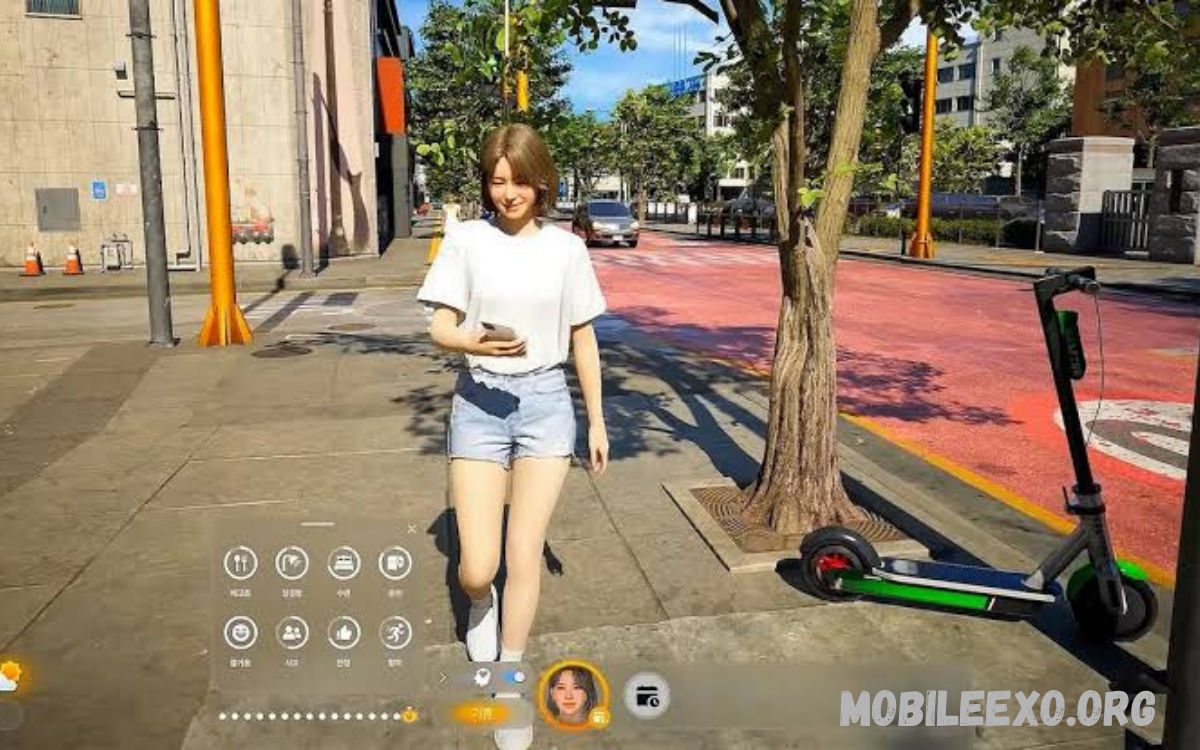
Simulator games have evolved from simple mechanical experiences into visually rich, highly immersive digital worlds. Today, the best graphics in simulator games are no longer just about high-resolution textures; they combine lighting physics, environmental simulation, and animation fidelity.
Whether you’re flying an aircraft across photorealistic skies, managing a bustling city, or driving through highly detailed urban environments, graphics play a central role in immersion. This article explores what defines top-tier simulation visuals and the technologies behind them.
What Defines the Best Graphics in Simulator Games?
The phrase “best graphics” in simulation gaming goes far beyond simple visual clarity. It refers to how convincingly a game replicates real-world environments, physics, and lighting behavior while maintaining performance stability.
Modern simulator games rely on a combination of photogrammetry, physically based rendering (PBR), volumetric lighting, and advanced weather systems. These technologies work together to simulate realism that feels dynamic rather than static, ensuring that environments respond naturally to time, weather, and player interaction.
Equally important is optimization. Even the most visually impressive simulator is ineffective if it cannot run smoothly. Developers must balance realism with performance scalability across different hardware configurations.
Key Visual Elements That Enhance Realism
Several graphical components contribute to making simulator games visually outstanding. Lighting systems are among the most critical, as real-time global illumination ensures that environments respond realistically to sunlight, shadows, and reflections.
Texture quality also plays a vital role. High-resolution textures combined with procedural detail generation allow surfaces such as roads, aircraft cockpits, or building exteriors to appear authentic even at close inspection.
The Role of Immersion in Simulation Graphics
Immersion is the ultimate goal of simulator graphics. Unlike arcade-style games, simulators aim to replicate real-world experiences as closely as possible, and visuals are central to achieving that effect.
When graphics are highly realistic, players naturally respond more intuitively to environments. For example, accurate lighting changes in a flight simulator can influence navigation decisions, while realistic weather effects in driving simulators can affect player caution and strategy.
Read Also: Simulators With Multiplayer: Best Multiplayer Simulation Games for Free Fire Players
Evolution of Graphics in Simulator Games
Simulator games have undergone a dramatic transformation over the past two decades. Early simulators relied on basic polygon models and limited textures, primarily focusing on functionality rather than aesthetics.
Today, modern simulators incorporate cinematic-quality visuals powered by real-time rendering engines such as Unreal Engine and proprietary simulation engines. This evolution has turned simulator games into visually stunning experiences that rival CGI in films.
From Low-Poly Models to Photorealism
In the early days, simulator graphics were constrained by hardware limitations. Low-polygon models and flat textures were common, and environments lacked depth or realism.
Now, photorealism is increasingly standard in high-end simulators. Developers use satellite data, real-world mapping, and advanced shading techniques to recreate environments with remarkable accuracy.
Impact of Modern Rendering Engines
Modern rendering engines have revolutionized simulation graphics. Technologies like ray tracing, ambient occlusion, and dynamic weather simulation allow light and environment interactions to behave naturally.
These engines also support large-scale worlds, enabling simulators to depict entire cities, countries, or even global environments with consistent graphical fidelity.
Core Technologies Behind the Best Graphics in Simulator Games
The visual realism in modern simulator games is driven by several advanced technologies working together. These systems simulate how light, materials, and environments behave in real time.
Without these innovations, achieving the current level of realism in simulation gaming would not be possible.
Physically Based Rendering (PBR)
Physically Based Rendering is a foundational technology in modern game graphics. It ensures that materials in a simulator respond to light in a physically accurate way.
This means surfaces like metal, glass, asphalt, and water reflect and absorb light just as they would in the real world, improving overall visual authenticity.
Ray Tracing and Global Illumination
Ray tracing simulates how light rays interact with objects in real time, creating realistic reflections, shadows, and lighting effects.
Global illumination enhances this by simulating indirect lighting, ensuring that environments feel naturally lit rather than artificially shaded or overly bright.
Simulator Game Genres with the Best Graphics
Not all simulator genres prioritize visuals in the same way. Some focus on realism in environmental detail, while others emphasize vehicle or system accuracy.
However, certain genres consistently deliver the best graphics in simulator games, particularly those with large-scale environments and complex rendering demands.
Flight Simulation Games
Flight simulators are widely regarded as the gold standard for graphical realism. They often include global terrain mapping, dynamic weather systems, and real-time atmospheric simulation.
These games recreate skies, airports, and landscapes with extreme detail, making them one of the most visually advanced categories in simulation gaming.
Driving and Racing Simulators
Driving simulators emphasize high-speed realism combined with detailed environments. Urban landscapes, weather conditions, and vehicle reflections are key graphical highlights.
Advanced lighting systems and motion blur techniques enhance the sense of speed and realism, making driving simulators visually intense and immersive.
Environmental Design and Realism in Simulator Graphics
Environmental design is a major factor in determining the visual quality of simulator games. Developers must recreate real-world ecosystems, cities, and landscapes with precision.
This involves not only graphical accuracy but also behavioral simulation, where environments react dynamically to weather, time, and player interaction.
Weather and Atmospheric Effects
Weather systems significantly enhance realism in simulator games. Rain, fog, snow, and wind are rendered dynamically, affecting visibility and environmental conditions.
These effects are not purely visual—they often influence gameplay mechanics, making simulation more authentic and challenging.
Open-World Scaling and Detail Management
One of the biggest challenges in simulator graphics is maintaining detail across large worlds. Developers use level-of-detail (LOD) systems to ensure smooth performance without sacrificing visual quality.
This allows distant objects to appear simplified while nearby objects maintain high-resolution detail, balancing realism and efficiency.
Hardware Requirements for High-End Simulator Graphics
To experience the best graphics in simulator games, powerful hardware is often required. High-resolution textures, ray tracing, and large environments demand significant processing power.
Modern simulators typically require advanced GPUs, multi-core CPUs, and fast storage solutions like SSDs to run smoothly at high settings.
Importance of GPU and CPU Performance
The GPU is responsible for rendering visuals, while the CPU handles simulation logic, physics, and world generation.
A balanced system ensures that neither component becomes a bottleneck, allowing for smooth gameplay even in graphically intensive scenarios.
Role of Optimization and Scalability
Good simulator games are scalable, meaning they adjust graphical fidelity based on hardware capability.
This ensures that players with mid-range systems can still enjoy the experience, even if they cannot run maximum settings.
Future of Graphics in Simulator Games
The future of simulator graphics is moving toward even greater realism and interactivity. Emerging technologies like AI-driven rendering and cloud-based simulation are expected to redefine visual standards.
Developers are also exploring more advanced physics-based environments, where every visual element responds realistically to real-time changes.
AI and Machine Learning in Graphics
AI is increasingly being used to enhance textures, generate landscapes, and improve frame rates through upscaling technologies.
This allows simulator games to maintain high visual fidelity without requiring extreme hardware upgrades.
Virtual Reality and Immersive Simulation
Virtual reality is another major frontier for simulation graphics. VR enhances immersion by placing players directly inside the environment.
As VR hardware improves, simulator games are expected to become even more visually and physically immersive.
Frequently Asked Questions
What makes simulator game graphics better than other genres?
Simulator games prioritize realism, using advanced lighting, physics, and environmental systems to replicate real-world conditions more accurately than most other genres.
Which simulator games have the most realistic graphics?
Flight and driving simulators are generally considered to have the most advanced visuals due to their large-scale environments and detailed rendering systems.
Do better graphics affect simulator performance?
Yes, higher graphical settings require more powerful hardware, especially GPU and CPU resources, to maintain smooth performance.
What technology is most important for realistic simulator graphics?
Physically Based Rendering (PBR), ray tracing, and global illumination are among the most important technologies for achieving realism.
Can mid-range PCs run high-graphics simulator games?
Yes, many modern simulators include scalable settings that allow mid-range PCs to run the game with reduced but still impressive visuals.
Is VR important for simulator graphics?
VR enhances immersion significantly, but it is not required. However, it represents one of the most advanced ways to experience simulation graphics.
What is the future of graphics in simulator games?
The future includes AI-enhanced rendering, more realistic physics simulations, and deeper VR integration for highly immersive experiences.
Conclusion
The best graphics in simulator games represent the intersection of technology, design, and realism. From advanced rendering engines to dynamic weather systems and AI-driven enhancements, modern simulation games offer some of the most visually impressive experiences in the gaming industry.
As hardware and software continue to evolve, simulator graphics will likely become even more realistic, immersive, and accessible. Whether you’re a casual player or a simulation enthusiast, the future of visual realism in simulator games promises to be both exciting and transformative.
