

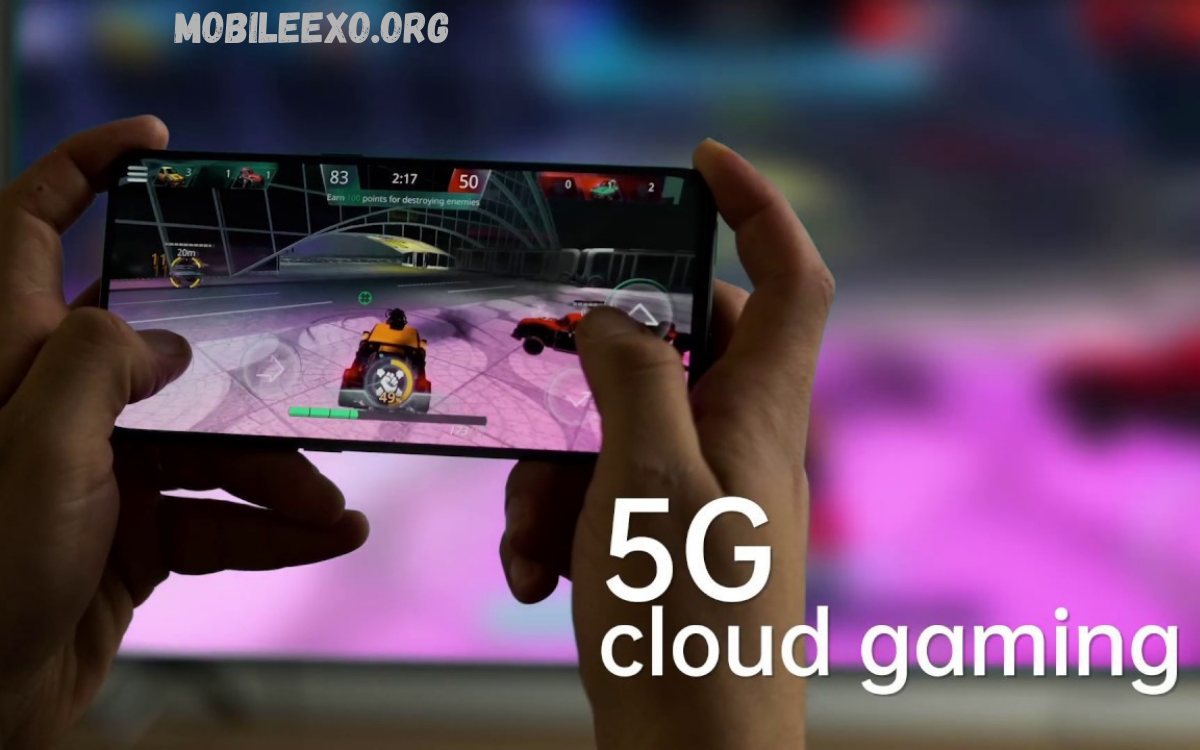
Cloud gaming on mobile is transforming the way people experience video games by removing the need for powerful hardware. Instead of running games directly on a smartphone, the game is processed on remote cloud servers and streamed to the player’s device over the internet. This allows users to play high-quality, graphics-intensive games on ordinary smartphones that might not normally support them.
The growth of faster mobile networks, such as 4G and 5G, has made cloud gaming more practical and accessible. These technologies reduce latency and improve streaming quality, creating a smoother and more responsive gaming experience.
Technology Behind Cloud Gaming on Mobile
Cloud gaming on mobile relies upon a distributed computing architecture. Game execution occurs within powerful cloud servers equipped with high-performance GPUs, CPUs, memory clusters, and storage arrays. These servers function similarly to gaming PCs or consoles but operate within remote data centers.
Game frames render inside server hardware. Video encoding technology compresses rendered frames into streaming packets. Internet networks deliver encoded video streams to mobile devices in real time. Smartphone displays decode streams, present gameplay visuals immediately.
Major technical components enabling cloud gaming on mobile include:
- GPU virtualization systems
- Real-time video encoding technology
- Adaptive bitrate streaming
- Edge data centers
- Low-latency network protocols
Importance of Mobile Devices within Cloud Gaming
Smartphones represent the most widely distributed computing devices globally. Billions of users carry internet-connected smartphones daily. Cloud gaming on mobile therefore unlocks enormous potential user bases.
Traditional gaming consoles require dedicated hardware purchases. Gaming PCs demand powerful graphics cards, processors, storage solutions. Cloud gaming on mobile removes these barriers through remote processing models.
Advantages connected with mobile devices include:
- global accessibility
- portable gaming environments
- touchscreen interface versatility
- integration with controllers
- compatibility with wireless networks
Cloud gaming on mobile therefore transforms smartphones into powerful gaming terminals capable of accessing advanced interactive content.
Benefits of Cloud Gaming on Mobile
Cloud gaming on mobile provides several advantages compared with traditional gaming models.
Hardware Independence
Smartphones typically possess limited processing capability compared with gaming consoles or PCs. Cloud gaming shifts processing workloads toward remote servers. Mobile devices simply stream rendered gameplay video.
Users therefore access graphically demanding games without expensive hardware upgrades.
Instant Game Access
Traditional mobile games require downloads, installation processes, storage management. Cloud gaming platforms allow instant game launches directly through streaming interfaces.
Players open applications, select games, begin gameplay immediately.
Reduced Storage Requirements
Large modern games frequently exceed tens or hundreds of gigabytes. Mobile devices often contain limited storage capacity. Cloud gaming on mobile eliminates storage concerns since games remain stored inside remote servers.
Cross-Platform Gaming
Cloud gaming ecosystems often support cross-device synchronization. Players begin gameplay sessions on smartphones, continue sessions on tablets, laptops, smart televisions.
This seamless progression enhances player convenience, encourages longer engagement.
Expanded Game Libraries
Cloud gaming platforms frequently provide extensive digital libraries through subscription models. Players gain access to numerous titles without purchasing individual games.
Such libraries include indie games, AAA productions, retro titles, experimental releases.
Network Requirements for Cloud Gaming on Mobile
Network performance strongly influences user experience within cloud gaming environments. Several technical metrics determine service quality.
Latency
Latency represents communication delay between user input and server response. High latency causes delayed character movement, slow reaction time, gameplay frustration.
Cloud gaming on mobile ideally requires latency below 50 milliseconds.
Bandwidth
Streaming high-resolution video requires stable bandwidth. Minimum recommended speeds typically include:
- 10 Mbps for standard HD gameplay
- 20 Mbps or higher for Full HD streaming
- 35 Mbps or higher for 4K streaming
Bandwidth fluctuations trigger resolution adjustments through adaptive bitrate streaming.
Network Stability
Packet loss, jitter, inconsistent routing paths degrade streaming quality. Stable network infrastructure therefore remains essential.
5G networks significantly improve these parameters through low latency communication channels.
Read Also: Mobile Gaming Accessories Guide – Controllers, Cooling Fans, Headsets & Essential Gear
Popular Platforms Supporting Cloud Gaming on Mobile
Multiple technology companies invest heavily within cloud gaming ecosystems.
Xbox Cloud Gaming
Microsoft operates Xbox Cloud Gaming through global data center infrastructure. Service integrates with Xbox Game Pass subscriptions, providing large game libraries.
Smartphones access Xbox titles through streaming interfaces without console hardware.
NVIDIA GeForce NOW
NVIDIA GeForce NOW streams PC game libraries through GPU-accelerated cloud servers. Users connect existing game store accounts.
Mobile devices therefore stream high-performance PC games through remote rendering systems.
PlayStation Remote Play
Sony enables cloud-based streaming from PlayStation consoles toward smartphones. Players access console libraries remotely through mobile devices.
Amazon Luna
Amazon Luna provides subscription channels containing curated game collections. Streaming infrastructure relies upon Amazon Web Services cloud networks.
Performance Optimization Techniques
Engineers continuously develop techniques improving cloud gaming performance on mobile devices.
Edge Computing
Edge servers position computing resources closer toward users. Reduced geographic distance decreases latency, improves responsiveness.
Video Compression Algorithms
Advanced video codecs such as AV1, H.265 improve compression efficiency. These technologies deliver higher visual quality using lower bandwidth.
Adaptive Streaming
Streaming systems dynamically adjust resolution based upon network conditions. This prevents sudden interruptions during bandwidth fluctuations.
Controller Integration
Bluetooth controllers improve gameplay precision compared with touchscreen interfaces. Many cloud gaming platforms support popular controllers through mobile connections.
Challenges Facing Cloud Gaming on Mobile
Despite technological progress, several challenges remain.
Internet Dependence
Cloud gaming on mobile requires reliable internet connections. Rural areas, developing regions often experience limited connectivity.
Network outages immediately interrupt gameplay sessions.
Latency Sensitivity
Competitive multiplayer games require extremely fast reaction times. Minor latency delays affect player performance significantly.
Data Consumption
Streaming gameplay video consumes substantial mobile data. Continuous cloud gaming sessions may exceed monthly mobile data limits.
Infrastructure Costs
Cloud gaming services require expensive server clusters, networking equipment, maintenance operations. Service providers must balance subscription pricing with infrastructure expenses.
Future Trends in Cloud Gaming on Mobile
Cloud gaming on mobile continues evolving through emerging technologies.
Expansion of 5G Networks
5G connectivity dramatically improves bandwidth capacity, latency reduction, network reliability. These improvements enhance real-time streaming performance.
AI-Driven Streaming Optimization
Artificial intelligence algorithms optimize video encoding, bandwidth allocation, predictive buffering systems.
AI models anticipate network changes, maintain stable gameplay streams.
Global Data Center Growth
Technology companies continue constructing new data centers worldwide. Increased geographic coverage reduces latency for international users.
Integration with Augmented Reality
Future cloud gaming systems may combine streaming technology with augmented reality applications. Mobile devices could stream complex AR game environments directly from cloud servers.
Frequently Asked Questions
Does cloud gaming on mobile consume a lot of data?
Yes. Streaming gameplay video uses significant data. One hour of cloud gaming can consume between 3 GB and 10 GB, depending on resolution and streaming quality.
Can players use controllers for cloud gaming on mobile?
Yes. Many cloud gaming services support Bluetooth controllers that connect to smartphones. Using a controller often improves gameplay accuracy compared to touchscreen controls.
Are games downloaded in cloud gaming on mobile?
No. Games run on remote servers and stream directly to the mobile device. This eliminates large downloads and reduces storage requirements on the phone.
Is cloud gaming on mobile suitable for competitive gaming?
It depends on network latency and stability. For casual gaming it works very well, but highly competitive games may still require extremely low latency connections for optimal performance.
What is the future of cloud gaming on mobile?
The future looks promising. The expansion of 5G networks, improved cloud infrastructure, enhanced streaming technology, and broader game libraries are expected to make cloud gaming on mobile more accessible and efficient for players worldwide.
Conclusion
Cloud gaming on mobile represents an important evolution within digital entertainment ecosystems. Remote server infrastructure runs complex game engines, while smartphones serve as streaming terminals. This architecture removes hardware limitations, expands game accessibility, and simplifies distribution models.
