

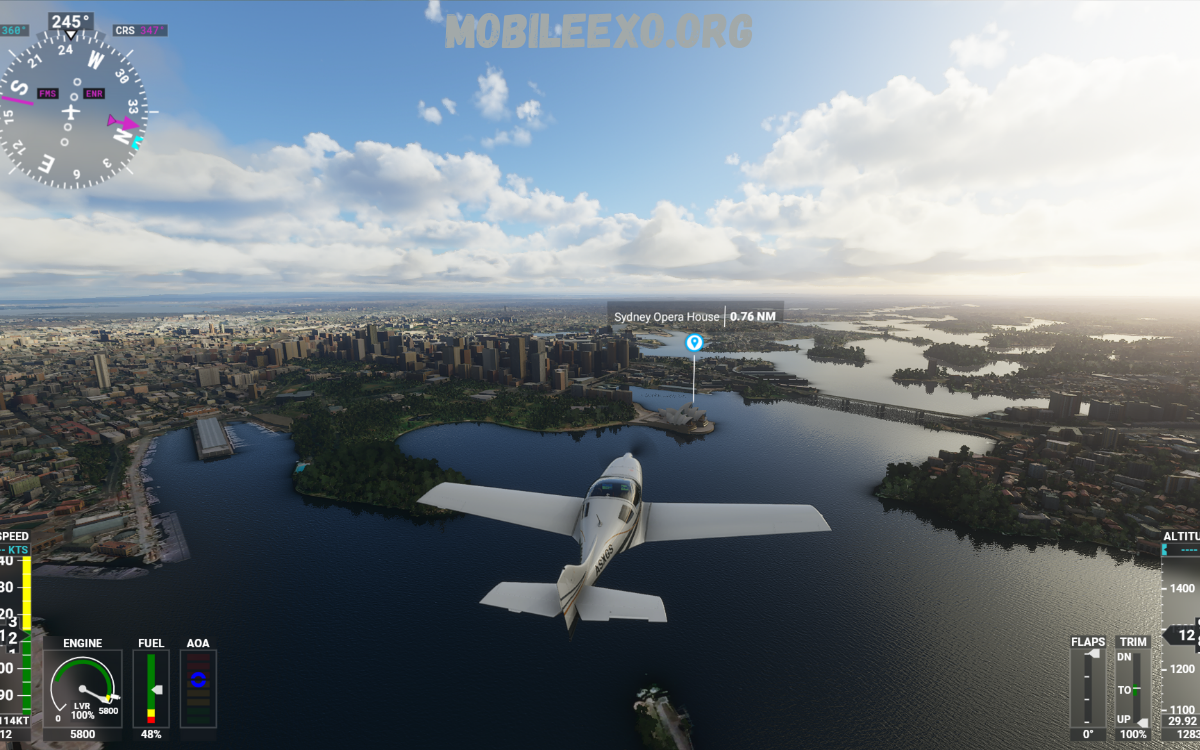
Flight simulator games have evolved far beyond their early, simplistic origins to become sophisticated platforms that blend cutting-edge technology with the thrill of aviation. These games offer enthusiasts a unique opportunity to experience the complexities of flying from the comfort of their own homes.
The appeal of flight simulator games extends beyond casual entertainment. They serve as educational tools for aspiring pilots, helping users develop an understanding of aerodynamics, navigation, and aircraft systems.
Understanding Flight Simulator Games
At their core, flight simulator games are virtual representations of real-world flying. They enable players to pilot various types of aircraft, navigate diverse airspaces, and encounter a wide range of weather conditions. Modern simulators include highly detailed cockpits, realistic flight physics, and accurate representations of airports and landscapes. Popular examples include Microsoft Flight Simulator, X-Plane, and FlightGear, each offering a unique approach to realism, accessibility, and community engagement.
Flight simulators cater to a wide range of users:
- Casual gamers who enjoy exploring virtual skies.
- Aspiring pilots who wish to learn basic flying concepts before training in real aircraft.
- Aviation enthusiasts who want to recreate real-life flights.
- Professional pilots who use simulators for training and skill development.
This diversity of users underscores how flight simulators are more than just games; they serve as a bridge between entertainment, education, and professional aviation.
Usage of Flight Simulator Games
Flight simulator games can be used in multiple ways, depending on the user’s interests and goals. Here are the main applications:
Entertainment and Gaming
For most people, the primary use of flight simulators is entertainment. Unlike traditional video games that focus on competition or storytelling, flight simulators emphasize exploration, creativity, and skill development. Players can fly around the world, experiment with different aircraft, and enjoy scenic landscapes, all while learning basic navigation and control principles.
Educational Purposes
Flight simulators are increasingly used as educational tools. They allow users to learn about aerodynamics, aircraft systems, navigation, and air traffic control in a risk-free environment. Students and enthusiasts can gain a foundational understanding of flying without the expense or danger of real-life training.
Professional Pilot Training
Many professional pilots use flight simulators for training. Simulators help pilots practice complex maneuvers, handle emergency situations, and familiarize themselves with new aircraft models. Airlines and flight schools often incorporate simulators into their programs due to their cost-effectiveness and ability to replicate real-world scenarios.
Community and Online Interaction
Flight simulators often feature online networks that allow users to interact, participate in virtual air traffic control, or fly collaboratively. These platforms offer a sense of community, providing enthusiasts with a space to share experiences, custom aircraft designs, and flight challenges.
Benefits of Flight Simulator Games
Flight simulator games offer a wide range of benefits beyond entertainment, making them a valuable experience for users of all skill levels.
Skill Development
Players develop critical skills while playing flight simulators. These include:
- Hand-eye coordination: Operating controls and navigating airspace improve reflexes.
- Problem-solving skills: Managing emergencies or unexpected weather requires quick thinking.
- Spatial awareness: Navigating 3D airspace enhances understanding of orientation and distance.
- Technical knowledge: Learning aircraft systems and instruments builds aviation expertise.
Safe Learning Environment
Flight simulators offer a safe environment for practicing flying. Mistakes do not carry the risks associated with real aircraft, allowing users to experiment and learn at their own pace.
Cost-Effective Training
Training in real aircraft can be expensive. Flight simulators offer an affordable alternative, allowing users to gain valuable experience and knowledge before committing to real-world lessons.
Stress Relief and Entertainment
Flying virtually can be a relaxing and enjoyable experience. Exploring beautiful landscapes, experimenting with aircraft, and mastering challenging maneuvers provide both excitement and stress relief.
Encouraging STEM Learning
Flight simulators promote interest in science, technology, engineering, and mathematics (STEM). Understanding flight physics, navigation systems, and aerodynamics encourages critical thinking and curiosity about real-world aviation.
Importance of Flight Simulator Games
The significance of flight simulators extends beyond gaming. They play a crucial role in multiple domains, including education, training, and aviation research.
Aviation Training
Professional pilots rely on flight simulators to practice emergency procedures, hone their skills, and maintain their certifications. Simulators allow pilots to experience rare or hazardous scenarios that are impossible to safely replicate in real life.
Education and Skill Building
Flight simulators offer a platform for learning essential skills, including navigation, coordination, and technical analysis. Educational institutions and aviation enthusiasts use these simulators to develop knowledge that can later be applied in real-world flying or careers.
Research and Development
Flight simulators play a crucial role in aviation research. Engineers use them to test aircraft designs, study flight dynamics, and evaluate new technologies. This reduces development costs and ensures safer aircraft before real-world testing.
Promoting Aviation Awareness
By allowing users to virtually experience flight, simulators inspire interest in aviation careers and technologies. They bridge the gap between curiosity and practical learning, making the aviation industry more accessible to the general public.
Read Also: Top Simulator Mobile Games – The Ultimate Guide
How to Get Started with Flight Simulator Games?
Starting your journey into flight simulators is easier than many realize. The following steps can guide beginners to enjoy the full experience:
Choose the Right Simulator
Select a flight simulator based on your goals and skill level. Popular options include:
- Microsoft Flight Simulator is known for its realistic graphics and detailed world mapping.
- X-Plane: Offers precise flight physics and supports custom aircraft.
- FlightGear: Free and open-source, ideal for beginners or budget-conscious users.
Select Your Hardware
Flight simulators can be played with standard PCs or gaming consoles, but the experience improves with specialized hardware:
- Joystick or yoke: For realistic control.
- Rudder pedals: For precise navigation and maneuvering.
- VR headset: For immersive experiences.
- High-resolution monitor: Enhances graphics and scenery details.
Learn the Basics
Before attempting complex flights, start with basic tutorials:
- Understanding cockpit instruments.
- Practicing takeoffs and landings.
- Navigating using GPS and flight plans.
- Managing weather conditions.
Explore Free Options
If you want to try flight simulators without spending money:
- FlightGear: Open-source, highly realistic, with a large online community.
- GeoFS: Browser-based simulator with global maps.
- Yugioh Flight Simulator Alternatives: Many online platforms offer free simulations for casual users.
These options enable beginners to explore flight mechanics, practice controls, and determine whether they wish to invest in premium simulators.
Join the Community
Flight simulators have active online communities. Joining forums, participating in multiplayer flights, and exploring custom aircraft designs enhance your experience and provide valuable learning opportunities.
Tips for an Enhanced Flight Simulator Experience
- Start Small: Begin with smaller aircraft before progressing to complex airliners.
- Practice Regularly: Flying is a skill; the more you practice, the more proficient you become.
- Experiment with Settings: Adjust weather, time, and aircraft weight to challenge your skills.
- Follow Tutorials: Many online resources provide step-by-step guides to mastering flight simulators.
- Invest Gradually: Start with free or basic simulators, then upgrade hardware and software as needed.
The Future of Flight Simulator Games
Flight simulator technology continues to advance rapidly. With VR integration, AI-assisted air traffic, and hyper-realistic graphics, the gap between virtual and real-world flying is shrinking. Future simulators may include fully interactive cockpits, real-time global weather systems, and AI-driven air traffic environments that mimic live airports around the world.
These developments will make flight simulators not only a tool for entertainment but also an essential component in aviation training, STEM education, and aeronautical research. The accessibility of these simulators ensures that anyone, from a curious gamer to a professional pilot, can experience the thrill and complexity of flight.
Frequently Asked Questions
Are there free flight simulator games available?
Yes. Popular free simulators include FlightGear, GeoFS, and other browser-based platforms. These are excellent for beginners to explore flying without financial investment.
Can I fly online with other players?
Many flight simulators feature online multiplayer modes and virtual air traffic networks, enabling users to fly collaboratively, participate in events, and engage with a global community.
What types of aircraft can I fly in simulators?
Flight simulators offer a wide range of aircraft, from small propeller planes and private jets to commercial airliners and military aircraft. Users can choose options based on their skill level and interests.
How realistic are flight simulator games?
Modern flight simulators are highly realistic, featuring accurate flight physics, detailed cockpits, realistic weather, and accurate geographic maps that replicate real-world airports and airspaces.
Can flight simulators improve my hand-eye coordination?
Yes. Controlling aircraft, navigating airspaces, and managing instruments enhance reflexes, spatial awareness, and overall hand-eye coordination.
What is the future of flight simulator games?
The future includes enhanced VR integration, AI-driven air traffic systems, hyper-realistic graphics, and interactive cockpits. These developments aim to bridge the gap between virtual and real-world aviation experiences.
Conclusion
Exploring the world of flight simulator games opens a gateway to aviation, skill development, and immersive entertainment. From casual gamers to professional pilots, flight simulators provide a safe, cost-effective, and engaging way to experience the challenges and joys of flying. Their benefits extend beyond recreation, offering educational value, training opportunities, and a deeper understanding of aviation technology.
