

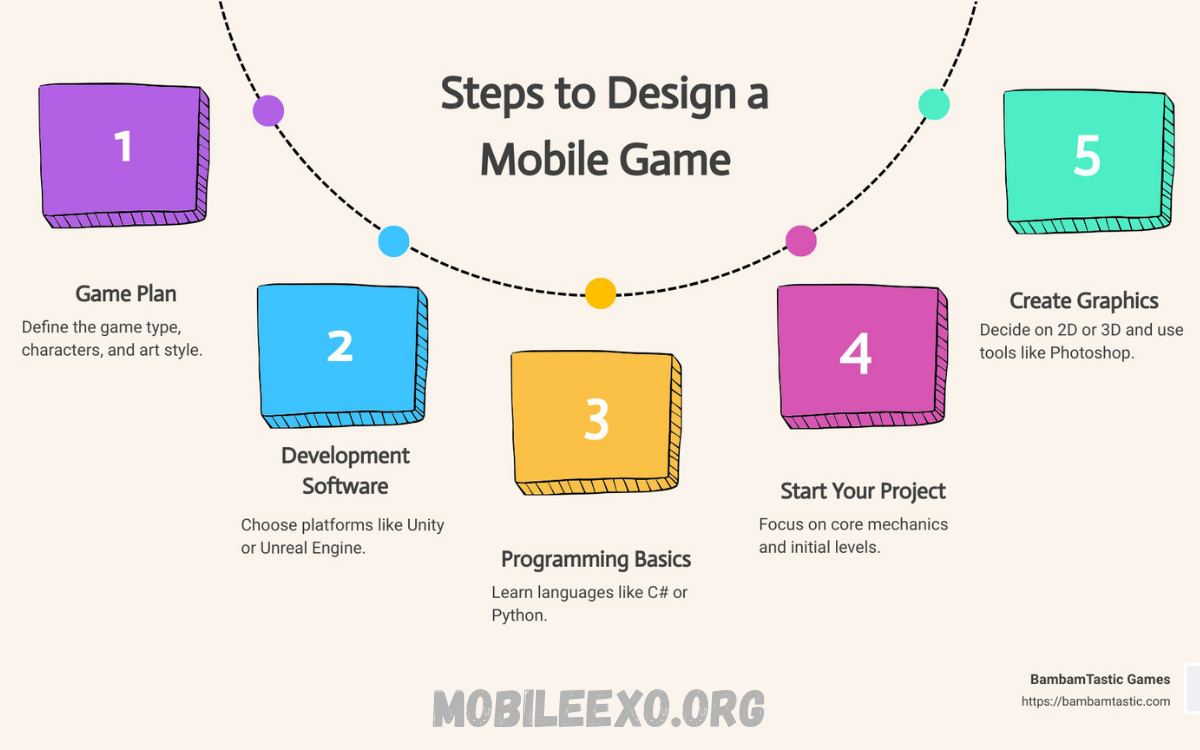
Mobile game development has emerged as one of the fastest-growing sectors in the entertainment industry, driven by the ubiquity of smartphones and tablets worldwide. With millions of games available on app stores, creating a title that captures attention, retains players, and generates revenue requires more than creativity alone.
Success begins with a clear vision and a focus on the core gameplay loop. Developers must ensure mechanics are intuitive, enjoyable, and easy to understand within minutes of play. Mobile platforms present unique challenges, including touch-based controls, screen size limitations, and hardware variability, making optimization and interface design critical components of development.
About Core Mechanics
Successful mobile games start with a strong core mechanic. Developers must define gameplay loops ensuring engagement within the first minutes of play. Core mechanics should be simple, intuitive, yet deep enough to sustain long-term interest. Repetition without variety can bore players, while complexity without clarity may confuse users.
Key considerations:
- Focus on one main gameplay loop.
- Introduce mechanics progressively.
- Test early prototypes to refine player experience.
Designing for Mobile Interfaces
Touchscreen controls differ from traditional platforms. Optimizing for mobile input improves usability and retention. Swipe, tap, pinch, and drag mechanics should feel natural and responsive. Avoid overcrowded interfaces or multi-step gestures that frustrate players.
Design recommendations:
- Keep buttons and interactive elements large enough for fingers.
- Use visual feedback for interactions.
- Prioritize ergonomics for one-handed play.
Visual and Audio Cohesion
Consistency in art style and audio enhances player immersion. Mobile screens limit visual space, so clarity is critical. Clean visuals, readable fonts, and distinct icons prevent confusion. Audio cues reinforce actions, signaling success, failure, or rewards.
Professional guidelines:
- Maintain cohesive color palettes.
- Optimize textures and sprites for performance.
- Use audio judiciously to avoid battery drain.
Optimizing Performance
Mobile devices vary widely in hardware capabilities. Efficient resource management improves frame rates, reduces crashes, and maintains player satisfaction. Developers should minimize draw calls, compress assets, and manage memory proactively.
Technical strategies:
- Profile game performance on multiple devices.
- Optimize textures using compression techniques.
- Avoid frequent memory allocations during gameplay loops.
Monetization Planning
Monetization influences design decisions. Developers must align gameplay with revenue strategies to avoid disrupting user experience. Popular models include free-to-play, premium, ads, and hybrid approaches.
Best practices:
- Integrate ads strategically without disrupting gameplay.
- Offer in-app purchases that enhance, not force progression.
- Test monetization in soft launches to measure user response.
Retention and Engagement
Long-term success requires sustained player engagement. Retention strategies include daily rewards, achievements, and social features. Mobile players often abandon games within hours, making onboarding critical.
Retention strategies:
- Provide immediate rewards for first-time users.
- Introduce gradual difficulty progression.
- Implement social or multiplayer features for shared experiences.
Read Also: Hyper casual Mobile Games – Market Dynamics, Design Principles, Monetization, Growth Strategy
Analytics and Data-Driven Decisions
Monitoring user behavior informs development and monetization decisions. Analytics track retention, session length, and in-app purchases, enabling targeted improvements. Professionals rely on platforms like Firebase, GameAnalytics, or Unity Analytics.
Implementation tips:
- Define key performance indicators (KPIs) early.
- Segment users by behavior to tailor experiences.
- Iterate game design based on actionable insights.
Testing and Quality Assurance
Testing reduces crashes, optimizes performance, and ensures enjoyable gameplay. Mobile developers face device fragmentation, requiring thorough QA across screen sizes, operating systems, and hardware specifications.
Testing strategies:
- Conduct internal playtests before external beta releases.
- Use automated testing for repetitive tasks.
- Collect feedback from real players to refine difficulty, controls, and engagement.
Art, Animation, and User Experience
High-quality animations enhance visual feedback and game polish. Smooth transitions, subtle effects, and intuitive interface responses improve player perception. Mobile users expect visually appealing games that communicate progress and actions clearly.
Design recommendations:
- Limit excessive particle effects to preserve performance.
- Use animations to guide player attention.
- Optimize asset sizes to reduce load times.
Marketing and Soft Launch
Even outstanding games need strategic promotion. Soft launches in selected regions help test retention, monetization, and performance. Early marketing builds anticipation and identifies areas for improvement.
Marketing tips:
- Choose test regions with demographics resembling target audience.
- Measure acquisition cost, retention, and engagement during soft launch.
- Adjust gameplay or monetization strategies before global release.
Continuous Updates and Live Operations
Mobile games require ongoing updates to retain users. New content, seasonal events, and challenges maintain engagement. Live operations also allow developers to respond to feedback, fix bugs, and improve balancing.
Update strategies:
- Schedule frequent content drops to retain interest.
- Monitor reviews and community feedback for improvement.
- Introduce limited-time events to drive engagement spikes.
Frequently Asked Questions
What is the most important tip for mobile game development?
The most important tip is to focus on a clear, engaging core gameplay loop. This ensures players understand the game quickly and remain interested over time.
Which game engines are best for mobile development?
Popular choices include Unity for both 2D and 3D games, Unreal Engine for high-end graphics, and Godot for lightweight or 2D-focused projects. Engine choice depends on project complexity and team expertise.
How can I optimize mobile game performance?
Optimize textures, reduce draw calls, compress assets, manage memory efficiently, and test across devices to ensure smooth performance. Avoid excessive particle effects or heavy animations that may drain resources.
What are effective monetization strategies?
Common approaches include free-to-play with in-app purchases, ad-supported models, premium one-time purchase, or hybrid models. Align monetization with gameplay to avoid frustrating players.
How do I improve player retention?
Offer daily rewards, achievements, gradual difficulty progression, social features, and regular content updates. Onboarding should quickly teach core mechanics and provide instant satisfaction.
Should I do a soft launch before global release?
Yes. Soft launches in select regions allow testing of retention, monetization, performance, and player behavior, enabling data-driven improvements before worldwide release.
How important is analytics in mobile game development?
Analytics are critical. They help track retention, session length, in-app purchases, and player behavior, guiding optimization, balancing, and monetization decisions.
Conclusion
Mobile game development combines creativity, technical skill, and business strategy. Following professional mobile game development tips improves the likelihood of creating games that captivate, retain, and monetize effectively. Developers who focus on core mechanics, interface design, performance optimization, and data-driven iterations achieve higher retention, smoother gameplay, and long-term success in competitive mobile markets.
