

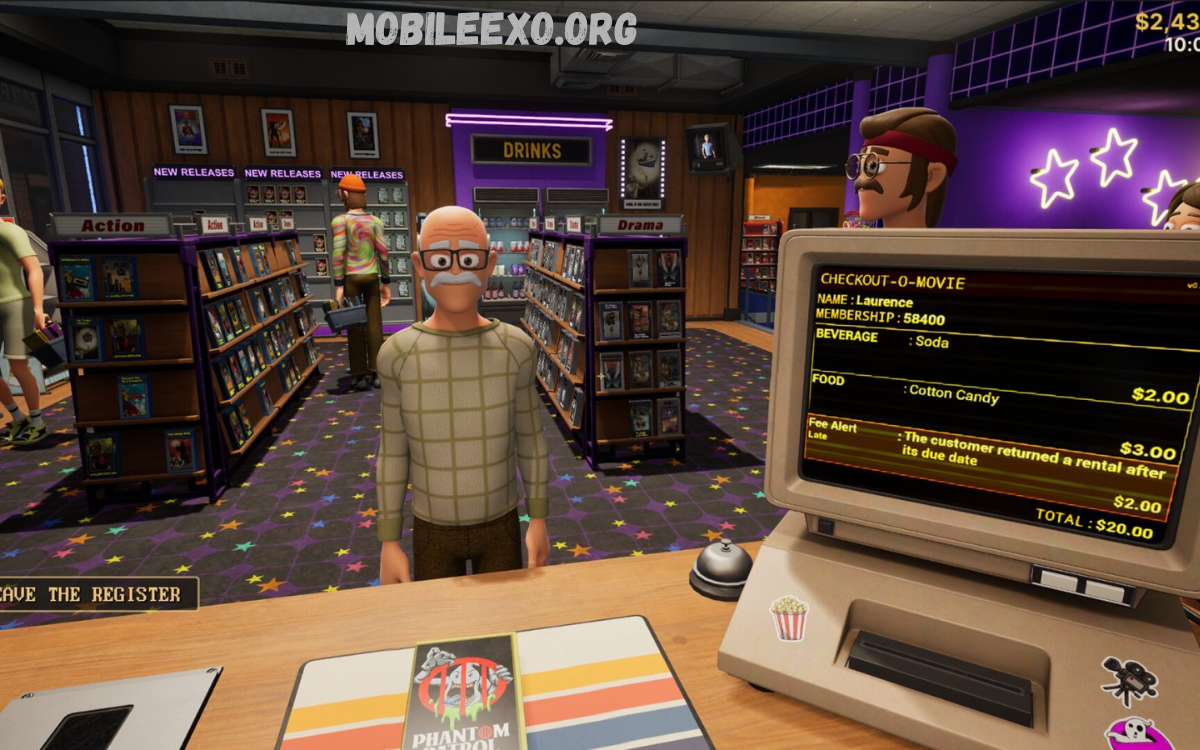
Video games are commonly divided into two major categories: simulation games and arcade games. While both are designed to entertain players, they differ significantly in their objectives, gameplay mechanics, and level of realism. Simulation games aim to recreate real-world activities, environments, or systems as accurately as possible.
In contrast, arcade games prioritize fast-paced action, simple controls, and immediate enjoyment. Rather than emphasizing realism, they focus on excitement, quick reflexes, and high-score achievements. Arcade games are often easy to learn but challenging to master, making them accessible to a wide range of players.
Understanding Simulation Games
Simulation games attempt to recreate real-world activities, systems, or environments with high levels of accuracy. Developers design mechanics that closely mirror actual experiences, requiring players to follow realistic rules, procedures, and limitations. Common examples include flight, driving, farming, and city-management simulators.
Players often choose simulation games for immersion, education, and skill development. These titles reward patience, strategic thinking, and attention to detail. Success frequently depends upon understanding realistic mechanics rather than relying solely upon quick reactions. Consequently, simulation games appeal strongly to enthusiasts seeking authentic virtual experiences.
Understanding Arcade Games
Arcade games emphasize entertainment, simplicity, and immediate engagement. Unlike simulation titles, arcade games intentionally reduce complexity to maximize accessibility. Gameplay mechanics focus on action, speed, excitement, and rewarding progression systems that encourage continuous play.
Arcade design philosophy prioritizes enjoyment over realism. Vehicles accelerate faster, characters move more dramatically, and gameplay often includes exaggerated physics. These elements create memorable experiences requiring minimal learning curves. Players can quickly begin enjoying arcade games without studying detailed mechanics or technical systems.
Core Differences Between Simulation and Arcade Games
The primary distinction between simulation and arcade games lies in design objectives. Simulation developers aim to replicate reality, while arcade developers aim to maximize entertainment. This difference influences every gameplay element, including controls, progression systems, difficulty balancing, and player expectations.
Simulation games generally feature realistic physics, detailed environments, authentic procedures, and strategic decision-making. Arcade games prioritize responsiveness, accessibility, fast-paced action, and exciting gameplay loops. Neither approach represents superiority; each serves different player preferences and gaming objectives.
Realism and Authenticity
Realism serves as the foundation of simulation gaming. Developers invest significant resources in creating authentic mechanics reflecting real-world conditions. Vehicle handling, weather effects, fuel consumption, equipment management, and environmental interactions often mirror actual scenarios.
Arcade games intentionally sacrifice realism to enhance enjoyment. Racing vehicles may perform impossible maneuvers, characters may survive extreme impacts, and game worlds may ignore realistic limitations. These design choices create thrilling experiences, emphasizing fun rather than accuracy. Consequently, realism remains a defining factor when comparing simulation vs arcade games.
Gameplay Complexity
Simulation games frequently include extensive learning requirements. Players must understand systems, mechanics, controls, and procedures before achieving mastery. Learning curves can appear challenging initially, yet many enthusiasts consider this complexity highly rewarding.
Arcade games typically feature streamlined controls and intuitive mechanics. New players can begin playing almost immediately without extensive tutorials. This accessibility broadens audience reach and encourages casual participation. Simplicity remains one of arcade gaming’s strongest advantages.
Learning Curve and Accessibility
Simulation titles often require patience and dedication. New players may spend hours learning controls, strategies, and operational procedures before achieving confidence. Such requirements can discourage casual gamers seeking immediate enjoyment.
Arcade games eliminate many barriers to entry. Straightforward objectives, simplified mechanics, and forgiving gameplay systems enable rapid engagement. Accessibility contributes significantly to arcade gaming’s widespread popularity among diverse age groups and skill levels.
Graphics and Immersion
Modern simulation games frequently prioritize immersive environments. Detailed landscapes, realistic weather systems, authentic vehicle models, and accurate sound design contribute to convincing virtual worlds. These elements strengthen emotional engagement and enhance realism.
Arcade games often adopt vibrant visuals, stylized environments, and dramatic effects. Rather than pursuing authenticity, developers create visually exciting experiences supporting energetic gameplay. Both approaches deliver immersion, though each targets different emotional responses.
Physics Systems
Physics engines represent another major distinction between simulation and arcade games. Simulation titles strive to accurately represent momentum, traction, aerodynamics, gravity, and environmental interactions. Every action carries consequences resembling real-world outcomes.
Arcade physics systems prioritize excitement. Vehicles drift effortlessly, characters perform extraordinary movements, and gameplay remains fluid regardless of realism. Such mechanics create accessible experiences that emphasize entertainment over technical accuracy.
Competitive Gaming Potential
Competitive communities exist within both genres, though motivations often differ. Simulation competitions emphasize precision, consistency, strategy, and mastery of realistic mechanics. Participants frequently develop skills transferable to real-world activities.
Arcade competitions prioritize reaction speed, adaptability, decision-making, and mechanical execution. Fast-paced gameplay creates exciting spectator experiences and intense competitive environments. Both genres support thriving communities dedicated to excellence and improvement.
Skill Development Benefits
Simulation games can support practical skill development. Flight simulations may improve procedural knowledge, driving simulations can enhance awareness, and management simulations strengthen strategic thinking. Educational institutions occasionally use simulation software for training.
Arcade games cultivate different abilities. Players often improve hand-eye coordination, reaction times, pattern recognition, and rapid decision-making skills. Although less focused on realism, arcade experiences still contribute valuable cognitive benefits.
Audience Preferences
Player preferences significantly influence genre selection. Individuals seeking authenticity, immersion, and technical challenges often gravitate toward simulation games. Enthusiasts appreciate detailed mechanics and realistic environments replicating favorite activities.
Players seeking relaxation, excitement, and quick entertainment frequently prefer arcade experiences. Casual gamers, younger audiences, and newcomers often appreciate accessible gameplay requiring minimal preparation. Personal objectives largely determine genre preference.
Read Also: Truck Driving Simulator: A Complete Guide to Realistic Virtual Trucking
Racing Games: Perfect Example of Simulation vs Arcade Games
Racing games provide one of the clearest comparisons between simulation and arcade design philosophies. Simulation racing titles feature realistic vehicle handling, tire wear, weather effects, fuel management, and authentic track conditions. Drivers must understand vehicle dynamics to achieve success.
Arcade racing games emphasize speed, excitement, and accessibility. Vehicles respond instantly, crashes carry fewer consequences, and dramatic stunts enhance entertainment value. Both styles remain popular because they satisfy different player expectations and gameplay preferences.
Advantages of Simulation Games
Simulation games offer unmatched realism and immersion. Players gain authentic experiences reflecting real-world systems and procedures. Detailed mechanics encourage mastery, strategic thinking, and long-term engagement. Many enthusiasts appreciate continuous learning opportunities and rewarding progression systems.
These titles also provide educational value. Realistic environments help players understand concepts related to aviation, transportation, agriculture, business management, and numerous other fields. Such benefits extend beyond pure entertainment, increasing simulation gaming’s overall appeal.
Advantages of Arcade Games
Arcade games excel in accessibility and immediate enjoyment. Players can begin playing quickly without extensive preparation or training. Fast-paced gameplay generates excitement and supports short gaming sessions suitable for busy lifestyles.
These games also encourage social interaction. Simple mechanics make multiplayer participation easier, enabling friends and family members to enjoy experiences together regardless of skill level. Broad accessibility contributes significantly to arcade gaming’s enduring popularity.
Challenges of Simulation Games
Complexity represents the primary challenge associated with simulation gaming. Extensive learning requirements can discourage newcomers unfamiliar with realistic mechanics. Progress may appear slow compared with more accessible genres.
Additionally, simulation games often demand greater time investment. Mastery requires patience, practice, and dedication. Players seeking instant gratification may struggle with slower progression systems and detailed operational procedures.
Challenges of Arcade Games
Arcade games occasionally sacrifice depth for accessibility. Simplified mechanics may reduce long-term engagement among players seeking advanced challenges. Some gamers eventually desire greater realism and strategic complexity than arcade systems provide.
Realism limitations also restrict educational value. Exaggerated mechanics rarely reflect actual conditions, reducing opportunities for practical skill development. While entertainment remains exceptional, authenticity often takes a back seat.
Future of Simulation vs Arcade Games
Technological advancements continue to influence both genres. Improved hardware enables increasingly realistic simulations featuring sophisticated physics, artificial intelligence, and environmental systems. Future simulation experiences may become nearly indistinguishable from real-world activities.
Arcade games also benefit from innovation. Enhanced graphics, online connectivity, procedural content generation, and creative gameplay mechanics continue expanding entertainment possibilities. Hybrid designs that combine simulation realism with arcade accessibility are becoming increasingly common in modern gaming markets.
Which Genre Is Better?
No universal answer exists regarding simulation vs arcade games. Each genre fulfills different objectives and appeals to different audiences. Simulation games reward realism, immersion, and mastery, while arcade games prioritize excitement, accessibility, and immediate enjoyment.
The best choice depends entirely upon individual preferences. Players seeking authentic experiences may prefer simulation titles, whereas players seeking fast-paced entertainment may favor arcade games. Many gamers enjoy both genres, choosing experiences based on mood, available time, and personal interests.
Frequently Asked Questions
Which genre is better for beginners?
Arcade games are generally better for beginners because they feature straightforward gameplay, simple mechanics, and quick rewards. New players can start enjoying the game without extensive training or practice.
Do simulation games help develop real-world skills?
Many simulation games can improve knowledge and understanding of real-world activities such as driving, flying, city planning, farming, or business management. However, they should not replace professional training or practical experience.
Why are arcade games so popular?
Arcade games attract a wide audience because they provide instant entertainment, exciting gameplay, and easy accessibility. Players can enjoy short gaming sessions without having to learn complex mechanics.
Are arcade games realistic?
Most arcade games are not designed to be highly realistic. Developers often use exaggerated physics, faster gameplay, and simplified systems to create a more entertaining experience.
Which genre offers better immersion?
Simulation games often provide deeper immersion through realistic environments, detailed mechanics, and authentic experiences. However, arcade games can also be highly immersive, thanks to engaging gameplay and exciting visual effects.
Can a game be both a simulation and an arcade?
Yes. Many modern games combine realistic features with accessible gameplay mechanics. These hybrid titles offer a balance between authenticity and entertainment.
Are simulation games suitable for casual gamers?
Some simulation games can be enjoyed casually, but many require significant time and effort to learn. Casual gamers often prefer arcade games because they are easier to pick up and play.
Which genre has a larger audience?
Both genres have large global audiences. Arcade games typically attract more casual players, while simulation games appeal to enthusiasts seeking realistic and detailed experiences.
Conclusion
The comparison between simulation and arcade games highlights two distinct philosophies within game design. Simulation games focus upon realism, accuracy, and immersive experiences, while arcade games emphasize accessibility, excitement, and entertainment. Both genres contribute significant value to the gaming industry and continue attracting dedicated communities worldwide.
Understanding strengths, limitations, and target audiences helps players make informed gaming choices. Whether pursuing realistic mastery or action-packed fun, gamers can find rewarding experiences within either category. As technology advances, both simulation and arcade games will continue evolving, offering increasingly engaging experiences for future generations.
