

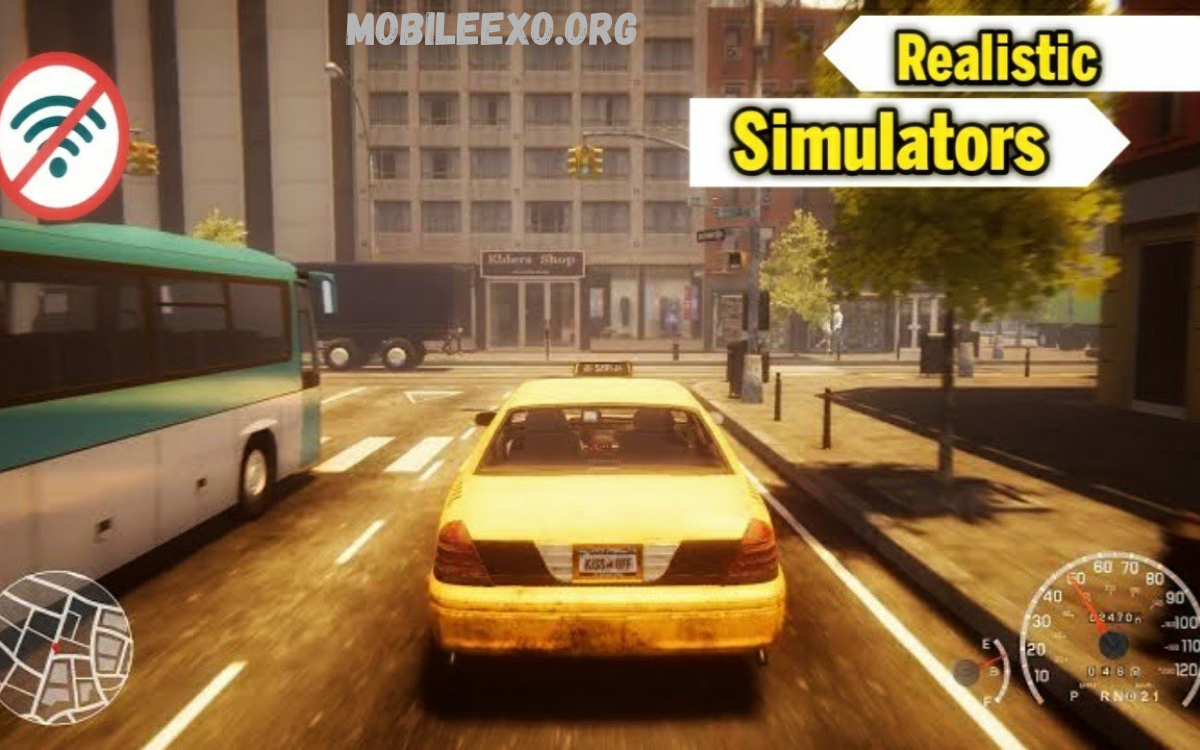
Realistic simulator games are a popular genre of video games designed to replicate real-world activities, environments, and experiences with high accuracy. Unlike traditional games that focus primarily on entertainment and fantasy, simulator games aim to provide players with an authentic experience by recreating realistic mechanics, physics, and scenarios.
One of the key attractions of realistic simulator games is their attention to detail. Developers invest significant effort into creating lifelike graphics, realistic controls, and accurate systems that mirror real-world operations. As a result, players can learn practical skills, improve decision-making abilities, and gain a deeper understanding of various professions and tasks while enjoying an interactive gaming experience.
What Are Realistic Simulator Games?
Realistic simulator games are video games designed to recreate real-life systems, activities, professions, or environments as accurately as possible. Developers use realistic physics, detailed controls, authentic scenarios, and lifelike visual elements to provide players with an immersive experience. Every aspect of gameplay aims to reflect how a particular activity functions in the real world.
These games cover numerous categories, including transportation, agriculture, construction, city management, aviation, healthcare, and business operations. Rather than focusing exclusively on winning or completing missions, realistic simulator games encourage learning, experimentation, and mastery. Players often spend considerable time understanding systems and improving performance through practice and strategic decision-making.
Evolution of Realistic Simulator Games
The history of realistic simulator games dates back several decades. Early simulation titles featured basic graphics and limited mechanics due to technological constraints. Despite these limitations, many games successfully introduced players to realistic concepts involving transportation, management, and strategy.
Modern technology has dramatically expanded possibilities within the simulation genre. High-resolution graphics, advanced artificial intelligence, dynamic weather systems, realistic sound design, and virtual reality integration have elevated realism to unprecedented levels. Contemporary realistic simulator games offer experiences that closely resemble actual activities, making them more engaging and educational than ever before.
Why Realistic Simulator Games Are Popular
One major reason behind the success of realistic simulator games is immersion. Players enjoy entering virtual worlds that replicate familiar environments and professional activities. The ability to experience situations that may be inaccessible in everyday life creates strong appeal among gaming audiences.
Another factor involves personal growth and skill development. Many realistic simulator games require strategic thinking, resource management, planning, coordination, and decision-making. Players gain valuable knowledge while enjoying entertainment, creating a rewarding balance between learning and recreation.
Key Features of Realistic Simulator Games
Realistic simulator games share several defining characteristics that distinguish them from other gaming genres. Accurate physics systems represent one essential feature. Vehicles respond naturally to terrain, weather conditions influence performance, and mechanical systems operate according to realistic principles.
Attention to detail also plays a critical role. Developers invest significant resources into creating authentic environments, equipment, controls, and procedures. Detailed visuals, realistic audio effects, and sophisticated gameplay mechanics contribute to a highly immersive experience that encourages long-term engagement.
Realistic Driving Simulator Games
Driving simulations represent one of the most popular categories within the simulation genre. These games allow players to operate cars, trucks, buses, and other vehicles while navigating realistic road networks and traffic systems. Accurate vehicle handling and environmental effects enhance authenticity.
Players frequently use realistic driving simulator games to improve understanding of vehicle dynamics and road safety concepts. Detailed control systems, weather conditions, fuel management, and traffic regulations create challenging yet rewarding gameplay experiences that appeal to automotive enthusiasts worldwide.
Flight Simulation Experiences
Flight simulators have long been recognized as some of the most advanced realistic simulator games available. These titles recreate aircraft systems, navigation procedures, airport operations, and atmospheric conditions with remarkable precision. Many aviation enthusiasts use flight simulators to explore aviation concepts and improve technical knowledge.
Modern flight simulation technology includes realistic cockpit instrumentation, global terrain mapping, real-time weather systems, and detailed aircraft modeling. Such features provide immersive experiences that closely resemble actual flight operations, attracting both hobbyists and professional pilots.
Farming Simulator Games
Agricultural simulations have gained substantial popularity in recent years. Farming-focused realistic simulator games enable players to manage crops, operate machinery, raise livestock, and oversee agricultural businesses. These experiences highlight challenges and opportunities associated with modern farming operations.
Players must plan planting schedules, monitor weather conditions, manage finances, and maintain equipment. Such responsibilities create engaging gameplay while offering insight into agricultural practices and resource management. The combination of strategy and realism contributes significantly to the genre’s success.
Construction and Engineering Simulators
Construction simulation games place players in charge of building projects, heavy machinery operation, and infrastructure development. These realistic simulator games often feature cranes, excavators, bulldozers, and other equipment used in real-world construction environments.
Attention to operational detail enhances authenticity. Players learn project planning principles, machinery controls, and resource allocation techniques while completing objectives. Construction simulators provide unique opportunities to experience complex engineering tasks within safe virtual environments.
City Building and Management Simulators
City-building simulations challenge players to design, develop, and manage urban environments. These realistic simulator games incorporate infrastructure planning, transportation networks, public services, economic management, and environmental considerations.
Success requires balancing multiple interconnected systems. Players must address population growth, financial sustainability, traffic congestion, and community satisfaction. Such complexity creates engaging gameplay while demonstrating principles associated with urban planning and public administration.
Business and Economic Simulation Games
Business simulations focus on entrepreneurship, corporate management, investment strategies, and economic decision-making. These realistic simulator games allow players to oversee companies, manage resources, analyze markets, and pursue growth opportunities.
Strategic planning remains central to success. Players evaluate risks, allocate budgets, manage personnel, and respond to changing market conditions. Through these activities, users develop analytical thinking skills while gaining valuable insights into business operations and economic systems.
Read Also: Simulation vs Arcade Games: Complete Guide to Gameplay, Realism, and Player Experience
Educational Benefits of Realistic Simulator Games
Educational value is one of the strongest advantages of realistic simulator games. Players often acquire practical knowledge related to transportation, agriculture, aviation, engineering, management, and economics. Learning occurs naturally through interactive participation rather than passive observation.
Research consistently highlights the effectiveness of experiential learning environments. Simulation-based experiences encourage problem-solving, critical thinking, and skill development. As a result, many educational institutions and professional organizations incorporate simulation technology into training programs and learning initiatives.
Technology Behind Realistic Simulator Games
Advanced technology serves as the foundation of modern realistic simulator games. Graphics engines generate detailed environments featuring realistic lighting, textures, weather effects, and animations. These visual elements contribute significantly to immersion and player engagement.
Physics systems further enhance authenticity by simulating movement, collisions, mechanical behavior, and environmental interactions. Artificial intelligence controls non-player characters and dynamic systems, creating realistic scenarios that adapt to player actions and decisions throughout gameplay.
Virtual Reality and Simulation Gaming
Virtual reality has introduced new possibilities for realistic simulator games. VR technology places players directly inside virtual environments, creating heightened immersion and presence. Head-mounted displays and motion tracking systems allow natural interaction with digital worlds.
Simulation genres particularly benefit from the implementation of virtual reality. Flight simulators, driving experiences, construction games, and training applications become significantly more engaging when experienced through VR. Continued technological advancement will likely expand adoption across numerous simulation categories.
Challenges Within Realistic Simulator Games
Despite widespread popularity, realistic simulator games present certain challenges. Complex mechanics and detailed systems may initially appear overwhelming to newcomers. Learning controls, procedures, and operational concepts often requires patience and dedication.
Development challenges also exist. Creating authentic simulations demands extensive research, technical expertise, and significant production resources. Developers must balance realism with accessibility to ensure enjoyable gameplay without sacrificing authenticity or educational value.
Future of Realistic Simulator Games
The future of realistic simulator games appears exceptionally promising. Emerging technologies such as artificial intelligence, cloud computing, enhanced virtual reality systems, and advanced physics modeling will continue improving realism and immersion. Players can expect increasingly sophisticated virtual experiences during coming years.
Industry growth also suggests expanding diversity within simulation genres. New themes, professions, and interactive systems will provide fresh opportunities for exploration and learning. As technology evolves, realistic simulator games will likely become even more influential within entertainment, education, and professional training sectors.
Choosing the Best Realistic Simulator Games
Selecting suitable realistic simulator games depends upon individual interests and objectives. Some players prefer transportation-focused experiences involving driving, aviation, or logistics. Others enjoy management simulations centered on agriculture, construction, urban planning, or business operations.
Evaluating realism, gameplay depth, system requirements, community support, and content updates helps identify high-quality options. Understanding personal preferences ensures greater satisfaction and long-term engagement with chosen simulation experiences.
Frequently Asked Questions
Which types of realistic simulator games are most common?
Popular categories include driving, flight, farming, and construction simulators, as well as city-building games and business management simulations.
Are realistic simulator games suitable for beginners?
Yes, many simulation games offer tutorials, adjustable difficulty settings, and learning tools that make them accessible to new players.
Do realistic simulator games require powerful computers?
System requirements vary by game. Some titles run smoothly on standard hardware, while advanced simulators with detailed graphics may require more powerful systems.
How realistic are modern simulator games?
Modern simulator games can be highly realistic due to advanced graphics, accurate physics engines, detailed environments, and authentic gameplay mechanics.
Are realistic simulator games educational?
Yes, many simulation games teach practical concepts related to transportation, agriculture, aviation, engineering, business management, and resource planning.
Conclusion
Realistic simulator games are among the most innovative and influential genres in modern gaming. By combining authentic mechanics, immersive environments, advanced technology, and educational value, these games offer experiences that extend far beyond traditional entertainment. Players gain practical knowledge, develop valuable skills, and explore real-world activities through engaging virtual simulations.
As technological innovation continues accelerating, realistic simulator games will become increasingly sophisticated and accessible. Enhanced realism, virtual reality integration, and intelligent systems will create deeper immersion and broader applications across entertainment, education, and professional training. For players seeking meaningful, engaging, and authentic gaming experiences, realistic simulator games remain an outstanding choice with enduring appeal and limitless potential.
