

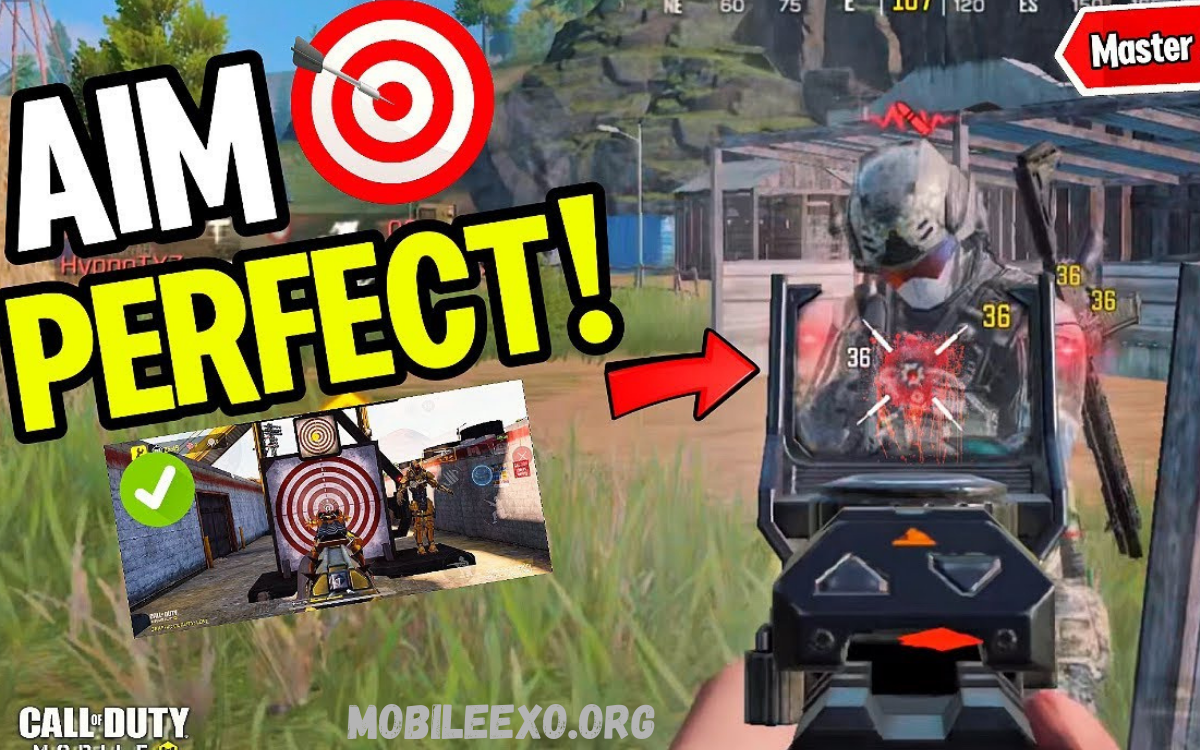
Aiming is one of the most critical skills in battle royale games, directly influencing survival, eliminations, and overall performance. Unlike casual shooting games, battle royale titles demand precision, adaptability, and consistent mechanical skill.
Many players underestimate the impact of fundamentals such as sensitivity, crosshair configuration, and recoil control. Proper setup ensures smooth, responsive movements, allowing precise tracking of moving targets and effective execution of flick shots.
Optimize Settings for Maximum Accuracy
Performance begins with setup. Hardware, sensitivity, and visual clarity directly affect aiming.
Mouse or Controller Sensitivity
Adjust sensitivity for a balance between speed and precision. Low-to-medium sensitivity often yields better control during tracking and flick shots. Controller users should tune horizontal, vertical, and ADS sensitivity independently to match natural movement.
DPI and In-Game Settings
Mouse DPI between 400 and 800, with corresponding in-game sensitivity, provides a consistent aim response. Visual clarity requires high FPS, smooth frame rates, and reduced graphical clutter. A clear distinction between enemies and the environment enhances target acquisition.
Crosshair Configuration
Custom crosshair improves tracking and targeting. Static, small, and high-contrast crosshairs allow precise head-level alignment and reduce unnecessary adjustments during engagements.
Master Core Aiming Techniques
Skill improvement requires understanding the fundamentals of aiming: crosshair placement, tracking, and flick shots.
Crosshair Placement
Position the crosshair at head level while navigating terrain. This minimizes corrective movement during enemy encounters. Anticipate common player positions, angles, and likely approach paths to maintain readiness.
Tracking Enemies
Tracking involves following moving targets smoothly. Efficient tracking requires consistent hand-eye coordination, wrist stability, and maintaining optimal sensitivity. Practicing on moving targets or bots enhances precision over time.
Flick Shots
Flicking entails rapid, precise aiming adjustments to quickly target opponents. Ideal for short-range firefights, flick accuracy depends on sensitivity control and reaction speed. Combining flicking with crosshair placement improves overall hit rate.
Weapon-Specific Control
Different weapons require distinct approaches to maximize accuracy.
Recoil Management
Learn individual recoil patterns. Practice counter-strafing and recoil compensation to maintain steady aim. Burst fire is recommended for long-range rifles, while controlled spray is suited to close-range engagements.
Movement During Shooting
Incorporate strafing, crouching, and cover use. Movement reduces enemy hit probability without significantly compromising accuracy. Avoid constant jump-shooting unless specific situations demand unpredictability.
Read Also: Best Skins / Cosmetics in Battle Royale – Ultimate Guide to Iconic Skins
Training and Practice
Structured practice routines accelerate improvement.
Aim Trainers
Software such as Aim Lab or Kovaak’s FPS Aim Trainer develops tracking, flicking, and reaction times. Daily practice sessions between 10 and 20 minutes improve hand-eye coordination, muscle memory, and target acquisition speed.
Warm-Up Routines
Warming up before competitive sessions ensures consistent performance. Simple exercises like target tracking, headshot drills, and controlled recoil practice prepare reflexes for real-game situations.
In-Game Practice
Regular matches refine aiming under dynamic conditions. Focus on different engagement ranges, weapon types, and map positions to develop adaptability. Analyze mistakes to identify weaknesses in target prioritization, positioning, and timing.
Game Sense and Positioning
Aiming for improvement extends beyond mechanics. Tactical awareness influences shot success.
Map Awareness
High ground advantages, choke points, and cover placement increase shooting effectiveness. Predict enemy movement and position crosshair strategically before engagements.
Target Prioritization
Headshots deliver more serious damage. Focus on eliminating high-threat opponents first. Understanding team compositions, weapon ranges, and player behavior aids decision-making during firefights.
Situational Adaptation
Adapt aiming style based on game pace. Aggressive close-range encounters demand flick shots and fast reaction times. Mid- or long-range fights require steady tracking and recoil control.
Consistency and Review
Sustained improvement depends on structured evaluation and disciplined practice.
Gameplay Analysis
Review death cams and match replays to identify missed shots, positioning errors, and aim inconsistencies. Awareness of recurring mistakes allows targeted corrections.
Incremental Adjustments
Avoid frequent changes to sensitivity or control settings. Consistency builds muscle memory and long-term precision. Adjust gradually to refine comfort without disrupting performance.
Regular Practice
Short, frequent sessions outperform infrequent long sessions. Ten to twenty minutes of focused practice daily leads to measurable improvement within weeks.
What sensitivity settings are best for aiming?
Low-to-medium sensitivity is generally recommended for precise aiming. Mouse DPI between 400–800, combined with in-game sensitivity adjusted to comfort, ensures smooth tracking and quick flicks.
Should I focus on headshots or body shots?
Prioritize headshots whenever possible, as they maximize damage output and often result in faster eliminations. Body shots are acceptable at longer ranges or when aiming for consistent tracking is challenging.
How vital is crosshair placement?
Crosshair placement is critical. Keeping the crosshair at head level while moving minimizes unnecessary adjustments during engagements and allows for faster target acquisition.
Can aim trainers help with real-game performance?
Yes. Aim trainers improve tracking, flicking, and reaction times, which translate directly to in-game accuracy. They also build muscle memory and improve hand-eye coordination.
How does movement affect aiming?
Proper movement, such as strafing and crouching, reduces your vulnerability while maintaining accuracy. Avoid excessive jumping or erratic movement, which can decrease shot precision.
How long does it take to see improvement?
With consistent practice and structured routines, noticeable improvement in aiming can appear within 2–4 weeks. Continuous evaluation, analysis of mistakes, and incremental adjustments accelerate progress.
Conclusion
Improving aiming in battle royale games requires integrated focus on mechanics, setup, training, and strategy. Optimized sensitivity, crosshair placement, weapon mastery, and movement awareness form the foundation for precision. Consistent training with aim exercises, warm-ups, and in-game analysis accelerates skill growth.
