

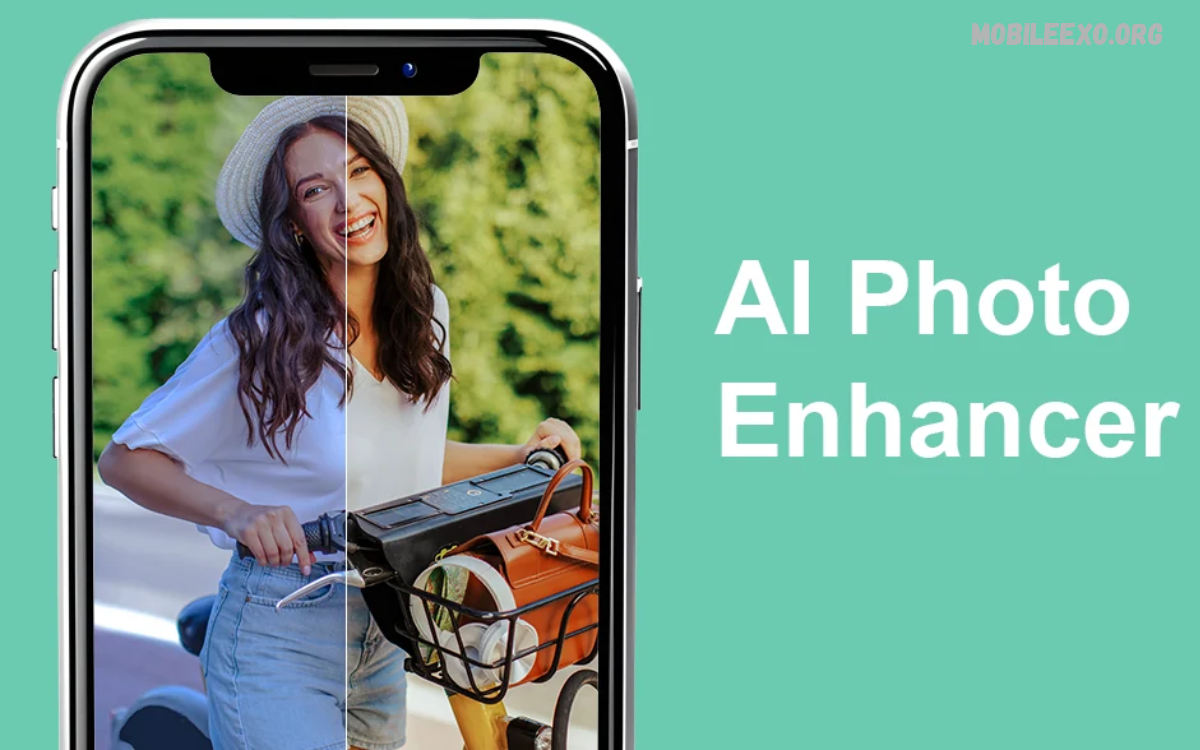
An image enhancer app improves photo quality through intelligent editing tools, advanced image processing, and artificial intelligence. These applications make ordinary photographs clearer, sharper, and more detailed without requiring professional editing experience.
This Image Enhancer App Review explores important features, editing tools, performance, advantages, limitations, and practical uses. Whether you’re improving old photographs, enhancing portraits, or correcting blurry images, modern enhancement apps offer useful solutions for everyday photography.
What Is an Image Enhancer App?
An Image Enhancer App is a photo-editing application designed to improve image quality through automatic adjustments and advanced processing tools. It can improve brightness, contrast, sharpness, color balance, and visible details.
Many modern applications use artificial intelligence to analyze photographs and automatically adjust different image elements. These technologies help users improve image appearance without manually changing every editing setting.
How Does an Image Enhancer App Work?
Image enhancement apps analyze different parts of a photograph to identify areas that need improvement. Their processing systems evaluate brightness, color, sharpness, contrast, and resolution before applying appropriate adjustments.
AI-powered enhancement tools use trained algorithms to recognize objects, faces, backgrounds, and other visual elements. This technology helps produce balanced results while preserving important details throughout editing.
Why Are Image Enhancer Apps Popular?
Smartphone photography continues growing because modern phones make capturing photographs simple and convenient. However, lighting conditions, camera limitations, movement, and compression can sometimes affect image quality.
Image enhancer apps offer convenient solutions to these problems. Users can improve photographs within seconds, prepare images for social media, and create clearer visuals without learning complicated desktop software.
Main Features of Image Enhancer Apps
Modern enhancement applications include several tools designed to improve different aspects of photography. These features help users correct image problems, adjust visual details, and create balanced results.
Feature availability depends on the application, subscription plan, and device compatibility. Understanding these tools makes it easier to choose a suitable image enhancement app.
AI Photo Enhancement
AI photo enhancement automatically analyzes photographs and applies improvements based on image conditions. It can adjust colors, enhance details, and produce clearer results through intelligent processing.
This feature works particularly well for everyday photos that need quick improvements. However, results depend on original image quality and the application’s processing capabilities.
Image Sharpening
Image sharpening improves the appearance of edges and fine details within photographs. It helps make slightly soft images appear clearer and more defined.
Excessive sharpening can create unnatural edges and unwanted visual effects. Balanced adjustments generally produce better results while maintaining a natural photographic appearance.
Noise Reduction
Digital noise appears as unwanted grain or colored patterns, especially in low-light photographs. Noise reduction tools help minimize these distractions while preserving important image details.
Advanced applications use intelligent processing to distinguish unwanted noise from actual photographic information. This helps improve image appearance without unnecessarily removing important textures.
Image Upscaling
Image upscaling increases image dimensions while attempting to preserve or improve visual clarity. AI-based tools estimate missing details to create larger versions of existing photographs.
This feature can help prepare images for larger displays, presentations, and certain printing projects. However, upscaling cannot always recover original details that were never captured.
Color Correction
Color correction helps improve the overall appearance of photographs by adjusting temperature, saturation, contrast, and color balance. These controls help create more accurate and visually consistent images.
Automatic color correction can save editing time by identifying common color problems. Manual adjustments provide additional control when users want a particular photographic appearance.
Portrait Enhancement
Portrait enhancement tools focus on improving photographs containing people. Depending on the application, these features can improve facial clarity, lighting, and overall image presentation.
Some applications also provide portrait-specific adjustments for skin texture and facial details. Natural settings matter because excessive processing can make photos look artificial.
Background Enhancement
Background enhancement improves the appearance of areas surrounding the main subject. Certain applications provide lighting adjustments, background sharpening, and selective editing tools.
These features help create balanced photographs by improving the relationship between foreground subjects and background elements. Some advanced applications also include background replacement options.
AI Technology in Image Enhancement
Artificial intelligence has changed how modern photo enhancement applications process digital images. Instead of relying entirely on traditional filters, AI systems analyze visual information and apply adjustments based on recognized patterns.
These systems can identify faces, objects, textures, and lighting conditions. Their ability to process different image elements makes automatic enhancement more flexible and convenient.
Automatic Image Enhancement
Automatic enhancement is useful for people who prefer simple editing experiences. Users can select a photograph, choose an enhancement option, and allow the application to process the image.
The application may automatically adjust exposure, contrast, sharpness, and color balance. This approach saves time and provides a convenient starting point for further editing.
AI Face Restoration
AI face restoration focuses on improving facial details in photographs with limited clarity. Certain tools can improve facial appearance by reconstructing visual information through machine learning.
This feature may help improve older portraits, compressed photographs, and slightly unclear facial images. Results should always be reviewed because reconstructed details may not perfectly represent the original photograph.
Old Photo Restoration
Old photographs sometimes contain fading, discoloration, scratches, and reduced clarity. Restoration apps provide tools to address these issues and make historical photographs easier to view.
Some AI-powered tools can also restore faded colors and improve damaged areas. Restoration quality depends on the photograph’s original condition and the application’s capabilities.
Image Enhancer App Review: User Interface and Experience
A well-designed interface makes photo enhancement easier for beginners and experienced users. Clear menus, accessible editing tools, and simple navigation help users complete editing tasks without unnecessary confusion.
Most modern applications organize their features into categories such as enhancement, sharpening, restoration, and color correction. Before choosing an application, users should consider whether its interface matches their editing experience.
Ease of Use
Simple navigation is an important feature of any image enhancement application. Beginners generally benefit from automatic enhancement buttons, clear instructions, and straightforward editing controls.
Experienced users may prefer applications offering manual adjustments and selective editing options. A good application should provide convenient automatic tools without removing access to additional controls.
Editing Speed
Processing speed affects the overall editing experience, particularly when enhancing multiple photographs. Lightweight applications may process basic adjustments quickly, while advanced AI features can require additional processing time.
Performance depends on device hardware, image dimensions, internet connectivity, and application optimization. Users should consider these factors when evaluating an application’s speed.
Before and After Comparison
Before-and-after previews help users understand how enhancement tools affect their photographs. A comparison feature makes it easier to identify improvements in sharpness, brightness, colors, and visible details.
Some applications provide a slider that displays original and enhanced versions side by side. This feature helps users decide whether the final result looks natural and meets their expectations.
Image Enhancer Apps for Android
Android users can access numerous photo enhancement apps through different app distribution platforms. These applications offer different combinations of AI processing, sharpening, restoration, and editing features.
Some options focus on simple automatic enhancement, while others provide advanced controls for detailed photography adjustments. Device compatibility and available features vary by Android version.
Image Enhancer Apps for iPhone
iPhone users can explore image enhancement applications designed for Apple’s mobile operating system. These applications often include automatic photo adjustments, portrait enhancement, color correction, and image sharpening.
The editing experience depends on application optimization, device capabilities, and available subscription features. Users should check compatibility before installing an application.
Popular Image Enhancement Applications
Several established photo-editing applications provide image enhancement features alongside other editing tools. Each application offers a different approach to improving photographs.
Your choice depends on your editing needs, available features, ease of use, and price. The following examples provide an overview of well-known applications.
Remini
Remini is known for AI-based photo enhancement and restoration features. It focuses on improving portraits, facial details, and the appearance of older or lower-quality photographs.
Its automatic processing makes it accessible to beginners who want quick results. Some advanced features may require a subscription, and enhancement results can vary depending on the original photograph.
Adobe Lightroom
Adobe Lightroom provides professional photography adjustments, including exposure, color correction, sharpness, and detail controls. It offers greater editing flexibility for users who prefer manual adjustments.
Its advanced tools suit photographers who want consistent results across multiple images. Beginners may need additional practice to understand its editing options.
Snapseed
Snapseed offers several photo-editing tools, including details, structure, selective adjustments, and color correction. Its interface provides useful controls for improving image appearance.
The app suits users who prefer hands-on editing rather than relying entirely on automatic AI processing. Its selective editing tools also help adjust specific image areas.
Picsart
Picsart combines photo enhancement with creative editing features. Users can explore image adjustments, effects, filters, background editing, and additional creative tools.
Its variety of features makes it useful for social media content and creative photography projects. Some advanced tools and resources may require a paid plan.
Canva
Canva provides convenient photo adjustments alongside graphic design tools. Users can improve images while preparing presentations, social media graphics, and promotional materials.
Its simple interface makes basic editing accessible to beginners. However, users who want detailed photo restoration may prefer specialized enhancement apps.
Benefits of Using an Image Enhancer App
Image enhancement applications offer several benefits for everyday photography. They make common editing tasks more accessible while reducing the time required to improve digital photographs.
These applications can also help users prepare images for different purposes, including personal collections, educational projects, business presentations, and social media content.
Better Image Clarity
Image enhancement tools can improve slightly blurry or soft photographs. Sharpening and detail adjustments help create clearer visual results.
This benefit is particularly useful when preparing photographs for digital displays. However, extremely blurry images may remain unclear because enhancement cannot guarantee complete detail recovery.
Convenient Editing
Mobile enhancement apps let users edit photos directly on their smartphones. There is no need to transfer every image to a desktop computer for basic adjustments.
Automatic processing makes common editing tasks faster and more convenient. Users can complete several improvements through a few simple steps.
Improved Old Photographs
Restoration features can help improve the appearance of older family photographs and archived images. Color correction, noise reduction, and AI restoration may make these photographs easier to view.
These tools can also help preserve digital copies of meaningful photographs. Keep original files separate, since enhancement results may not always be accurate.
Better Social Media Content
High-quality photographs can improve the presentation of social media posts and creative projects. Enhancement tools help adjust brightness, colors, sharpness, and overall visual consistency.
Content creators can prepare photographs for different platforms without using complicated editing software. Consistent editing also helps maintain a recognizable visual style.
Beginner-Friendly Tools
Many enhancement applications provide automatic editing features that require little technical knowledge. Beginners can improve photographs without understanding complex photographic settings.
Guided tools and simple interfaces make these applications suitable for everyday users. More advanced options can support users as their editing experience develops.
Limitations of Image Enhancer Apps
Despite their useful features, image enhancement applications have certain limitations. Processing quality, device performance, subscription requirements, and image restrictions can affect the overall experience.
Understanding these limitations helps users maintain realistic expectations. Not every photograph can become perfectly clear through automatic enhancement.
Original Image Quality
Enhancement applications work with information available in the original photograph. Extremely low-resolution images may not contain enough detail for accurate restoration.
AI tools sometimes generate estimated details to improve visual appearance. These details should not automatically be considered accurate representations of the original scene.
Subscription Requirements
Some applications provide basic editing features without payment but restrict advanced tools to premium subscriptions. Watermark removal, high-resolution exports, and additional AI features may also have separate requirements.
Users should review subscription details before purchasing. Comparing available features with actual editing needs helps avoid unnecessary expenses.
Internet Connectivity
Certain AI enhancement applications require an internet connection to process photographs. Their advanced processing systems may operate through remote servers rather than directly on mobile devices.
Offline functionality varies between applications and features. Users who frequently edit photographs without internet access should check offline support before installation.
Processing Errors
Automatic enhancement does not always produce perfect results. Some photographs may develop unnatural textures, excessive sharpness, or inaccurate colors after processing.
Different photographs require different adjustments, so automatic settings may not work equally well for every image. Reviewing the final result helps identify unwanted changes.
Image Privacy and Security
Privacy is an important consideration when using photo enhancement applications. Some services process uploaded photographs through online systems, making it important to understand their data handling practices.
Before uploading personal photographs, users should review privacy policies, permissions, storage practices, and account settings. Choosing applications with transparent privacy information helps support safer photo editing.
How to Choose the Best Image Enhancer App
Choosing a suitable enhancement application requires understanding personal editing requirements. Some users need automatic improvements, while others prefer professional controls and detailed restoration features.
Comparing important features can help identify an application that offers useful functionality without unnecessary complexity. The following factors are worth considering before installation.
Check Enhancement Features
Start by identifying the editing tools required for your photographs. Common features include AI enhancement, image sharpening, noise reduction, color correction, and resolution improvement.
An application offering the right combination of tools can make editing more convenient. Avoid choosing an application based only on the number of advertised features.
Compare Free and Premium Versions
Review the difference between free and paid features before selecting an application. Some applications provide sufficient basic editing tools without requiring a subscription.
Premium plans may offer additional processing options, higher export quality, or fewer usage restrictions. Choose a plan based on actual requirements rather than promotional claims.
Review Export Quality
Export quality determines how photographs appear after editing and saving. Check whether the application supports suitable image formats and resolution options.
Some applications limit export resolution in their free versions. Users preparing photographs for printing or professional projects should carefully examine these restrictions.
Consider Device Compatibility
Not every application supports every smartphone model or operating system version. Checking compatibility helps prevent installation problems and unexpected performance issues.
Storage requirements and processing capabilities are also important considerations. Applications with advanced AI features may require more device resources.
How to Use an Image Enhancer App
Most image enhancement applications follow a similar editing process. Although menu names and available features differ, the basic workflow usually involves selecting a photograph and applying suitable improvements.
Understanding this process helps beginners work confidently with different applications. The following steps explain a general approach to enhancing photographs.
Select a Photograph
Open the chosen application and select a photograph from your device’s gallery. Choose an image that needs improvements in clarity, lighting, colors, or overall appearance.
Review the original photograph before making adjustments. Identifying the main problems helps you choose the most appropriate enhancement tools.
Apply Automatic Enhancement
Choose the automatic enhancement feature if the application provides one. Allow the processing system to analyze the photograph and apply suggested improvements.
Review the result before continuing with additional adjustments. Automatic enhancement provides a useful starting point, but you may still need manual corrections.
Read Also: Photoshop Express Review: Features, Editing Tools, Benefits, and User Experience
Adjust Sharpness and Details
Use sharpening controls to improve important edges and details. Apply moderate adjustments to avoid creating unwanted outlines or unnatural textures.
Check the photograph at different zoom levels to evaluate the changes. Balanced sharpening usually produces more natural results than aggressive processing.
Improve Colors and Lighting
Adjust brightness, contrast, saturation, and temperature according to the photograph’s original conditions. These settings help create a balanced look without changing the image too much.
Small adjustments can make a noticeable difference in overall presentation. Compare the edited version with the original to keep colors realistic.
Save the Final Image
Once editing is complete, select an appropriate export resolution and image format. Save the enhanced photograph to your device, but keep the original file available.
Review the exported version to confirm that quality remains acceptable. Keeping separate original and edited copies gives you more flexibility for future adjustments.
Image Enhancer Apps for Different Photography Needs
Different photography situations require different enhancement features. An app suitable for portraits may not offer the best tools for landscapes, product photography, or restoring old images.
Understanding these differences helps users choose the right editing tools. Matching application features with photography requirements generally produces better results.
Portrait Photography
Portrait photographs often benefit from enhanced facial detail, balanced lighting, and natural color correction. AI portrait tools can improve the appearance of photos taken under challenging conditions.
Users should avoid excessive processing that removes natural facial details. Maintaining realistic textures creates more balanced photographic results.
Landscape Photography
Landscape photographs frequently require color adjustments, contrast improvements, and sharpening. These tools help enhance natural elements such as trees, mountains, clouds, and water.
Selective adjustments can also improve specific areas without changing the entire photograph. Balanced editing helps preserve natural colors and realistic scenery.
Product Photography
Product photographs benefit from clear details, accurate colors, and balanced lighting. Enhancement applications can improve presentation by correcting common visual problems.
These tools can help with online catalogs, promotional graphics, and digital product displays. Accurate colors are particularly important when photographs represent real products.
Old Family Photographs
Older family photographs may contain fading, scratches, and reduced sharpness. Restoration tools can help improve their appearance and create better digital copies.
AI restoration may also improve facial visibility in certain photographs. However, users should preserve original scans because automated reconstruction can introduce inaccurate details.
Performance and Image Quality
Performance is an important part of evaluating any image enhancement application. A useful application should process photographs efficiently while maintaining acceptable visual quality.
Processing time, output resolution, device compatibility, and enhancement accuracy all contribute to the overall experience. Testing different photographs provides a clearer picture of real-world performance.
Image Resolution and Upscaling Quality
Resolution determines the number of pixels available in a digital photograph. Higher pixel dimensions can provide more visual information, although resolution alone does not guarantee photographic quality.
AI upscaling increases image dimensions by estimating additional details. Its results depend on the original photograph, processing technology, and selected enhancement settings.
Battery and Storage Usage
Advanced photo editing can require considerable processing resources, especially when working with large photographs. This may affect battery consumption and application responsiveness on certain devices.
Edited photographs can also require additional storage space. Regularly reviewing exported files and unnecessary duplicates helps maintain available device storage.
Tips for Getting Better Enhancement Results
Getting good results from an image enhancement application requires more than selecting an automatic filter. Understanding basic editing principles helps users improve photographs while maintaining a natural appearance.
A few practical adjustments can make the editing process more effective. These tips apply to most mobile photo-enhancement apps.
Start With the Best Original Photograph
Whenever possible, use the highest-quality original photograph available. Images with better lighting and clearer details generally provide more useful information for enhancement tools.
Avoid repeatedly editing and exporting the same compressed image. Working with the original file helps preserve available image information throughout the process.
Avoid Excessive Sharpening
Sharpening can improve visible details, but excessive adjustments may create unnatural edges. Apply moderate settings and compare the result with the original photograph.
Natural-looking improvements usually provide better results than extreme processing. Aim for improved clarity rather than unnecessary visual effects.
Maintain Natural Colors
Color adjustments should improve the photograph without making objects appear unrealistic. Excessive saturation and contrast can change the original appearance of important visual elements.
Use the original photograph as a reference when adjusting colors. Balanced settings help maintain consistency across different photographs.
Use High-Quality Export Settings
Select suitable export settings according to the intended purpose of the photograph. Higher-quality exports are generally useful when preserving details is important.
Check available resolution and compression settings before saving. Appropriate export choices help maintain image quality after editing.
Who Should Use an Image Enhancer App?
Image enhancement apps can support different users with varying photography needs. Automatic tools make basic editing accessible, while advanced features add flexibility.
Students, content creators, photographers, small business owners, and everyday smartphone users can benefit from suitable enhancement tools. The best choice depends on the type of photographs being edited.
Students
Students can use image enhancement applications to improve photographs for educational presentations and personal projects. Clearer images can make visual materials easier to understand and present.
Basic enhancement tools are generally sufficient for many educational requirements. Simple interfaces also make these applications accessible to beginners.
Content Creators
Content creators frequently prepare photographs for social media, blogs, and digital campaigns. Enhancement tools can help improve visual clarity and maintain consistent presentation.
AI features can reduce editing time when preparing multiple photographs. However, reviewing each final image remains important to maintain quality.
Small Business Owners
Small business owners can use enhancement applications to improve product photographs and promotional materials. Better lighting, balanced colors, and clear details can improve the presentation of digital content.
These applications provide convenient editing options without requiring advanced photography knowledge. Accurate product representation should remain a priority during enhancement.
Photography Enthusiasts
Photography enthusiasts may use enhancement tools to improve images captured in different lighting conditions. Advanced applications provide greater control over details, color, contrast, and sharpness.
Manual editing options are especially useful for people who enjoy experimenting with photographic styles. AI processing can also provide a starting point for additional adjustments.
Free vs Premium Image Enhancer Apps
Free and premium image enhancement apps differ in features and usage restrictions. Free versions often provide basic editing tools, while paid subscriptions may unlock advanced processing capabilities.
The right option depends on how often you edit and the output quality you need. Users should weigh the real benefits before paying for extra features.
Free Applications
Free applications can provide useful tools for everyday photo enhancement. Basic sharpening, brightness adjustments, filters, and automatic improvements may be available at no cost.
Some free versions include advertisements, export restrictions, or limited AI processing. These limitations should be considered before choosing an application for regular editing.
Premium Applications
Premium applications may offer advanced restoration, higher-resolution exports, additional AI features, and expanded editing controls. These tools can help users with more demanding photography needs.
Subscription costs and renewal conditions vary between services. Review pricing and cancellation policies to make informed decisions.
Common Mistakes to Avoid When Enhancing Images
Image enhancement works better when users understand common editing mistakes. Applying too many filters or relying entirely on automatic processing can reduce the natural appearance of photographs.
Careful adjustments help maintain visual balance and preserve important details. Avoid these mistakes during everyday editing.
Using Too Many Filters
Applying multiple filters can create inconsistent colors and unnatural image effects. Each filter changes different visual elements, which may reduce overall photographic balance.
Choose adjustments based on the photograph’s actual needs. A few carefully selected improvements are often more effective than several overlapping filters.
Ignoring Original Image Quality
Some users expect enhancement applications to completely repair every blurry or damaged photograph. However, image processing cannot guarantee accurate recovery of missing information.
Starting with the best available original file improves the chances of achieving useful results. Realistic expectations also make it easier to evaluate enhancement quality.
Saving Only the Edited Version
Keeping only an enhanced photograph can limit future editing flexibility. Some applications permanently apply adjustments when exporting the final image.
Save original photographs separately whenever possible. This approach makes it easier to compare results or create a different edited version later.
Future of Image Enhancer Applications
Image enhancement technology continues developing through improvements in artificial intelligence, mobile processors, and computational photography. Future applications may provide more accurate restoration and faster processing across different devices.
Advanced image analysis could also make editing more personalized. Users may gain greater control over individual objects, facial details, backgrounds, and photographic elements.
Advanced AI Enhancement
Future AI systems may better recognize image conditions and apply targeted corrections. More accurate processing could help preserve textures while reducing unwanted visual artifacts.
These improvements may also make restoration tools more useful for older and lower-resolution photographs. However, generated details will still require careful evaluation.
Improved Mobile Processing
Mobile hardware continues improving, creating opportunities for more advanced editing directly on smartphones. Better processing capabilities may reduce dependence on external servers for certain enhancement features.
This development could speed up editing and improve offline access. Actual performance will continue depending on device specifications and application optimization.
More Personalized Editing
Personalized enhancement tools may let users save preferred editing settings and apply consistent adjustments across photos. This could simplify workflows for content creators and photography enthusiasts.
Future applications may also offer more precise controls for different image categories. Such features could make professional-style editing more accessible to everyday users.
Frequently Asked Questions
What Is an Image Enhancer App?
An Image Enhancer App is software designed to improve digital photograph quality through editing tools and image processing. Common features include sharpening, color correction, noise reduction, and AI enhancement.
Are Image Enhancer Apps Free?
Many image enhancement applications offer free versions with basic editing features. Advanced AI tools, premium filters, and higher-resolution exports may require paid subscriptions.
Can an Image Enhancer App Fix Blurry Photos?
Some applications can improve slightly blurry photographs through sharpening and AI processing. However, extremely blurry images may not become completely clear because important original details may be missing.
Which Image Enhancer App Is Best for Android?
The best app depends on your editing needs and device compatibility. Users can compare Remini, Snapseed, Lightroom, and Picsart based on their preferred enhancement features.
Can AI Improve Old Photographs?
AI restoration tools can improve older photographs by adjusting colors, reducing noise, and reconstructing certain visual details. Results vary according to the original photograph’s condition.
Do Image Enhancer Apps Increase Resolution?
Some applications provide image upscaling features that increase pixel dimensions. AI processing can estimate additional details, although the results may not perfectly reproduce original photographic information.
Are Image Enhancer Apps Safe?
Many established applications provide privacy information and security controls. Users should review permissions, privacy policies, and photo-upload practices before processing personal photographs.
Can I Enhance Images Without Internet Access?
Some applications provide offline editing tools, including basic sharpening and color adjustments. However, advanced AI enhancement features may require an internet connection.
Do Image Enhancer Apps Reduce Photo Quality?
Properly configured applications can improve photographs, but excessive compression or repeated editing may reduce image quality. Saving original files and selecting suitable export settings helps prevent unnecessary quality loss.
Are Image Enhancer Apps Suitable for Professional Photography?
Some enhancement applications provide useful tools for professional photography workflows. However, advanced projects may require desktop editing software and more detailed manual adjustments.
Conclusion
This Image Enhancer App Review shows how modern enhancement applications make digital photo improvement easier and more accessible. AI enhancement, sharpening, noise reduction, restoration, and color correction provide useful tools for different photography requirements.
However, application quality depends on processing accuracy, the original image’s condition, available features, and device compatibility. Choosing a suitable application requires comparing its capabilities rather than relying entirely on promotional claims.

1 Comment
Pingback: AI Photo Editing App Review: Features, Tools, Benefits, and Performance - Mobileexo