

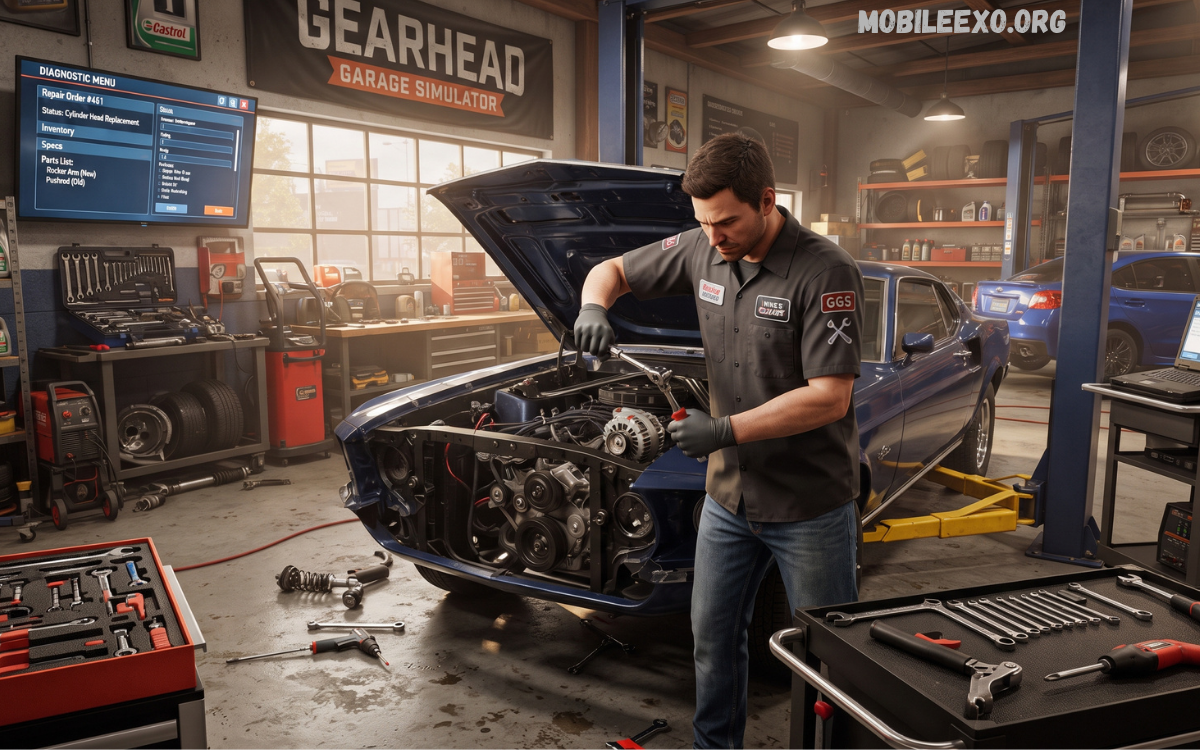
Mechanic simulator games offer an engaging way to experience automotive repair, restoration, customization, and garage management through interactive gameplay. These games place players in the role of mechanics responsible for diagnosing vehicle problems, replacing damaged components, repairing engines, upgrading performance, and restoring old cars.
The popularity of mechanic simulator games continues growing among automotive enthusiasts, simulation fans, and players seeking detailed gameplay experiences. Modern titles feature realistic vehicle components, extensive workshops, advanced diagnostic systems, customizable garages, and increasingly detailed graphics.
What Are Mechanic Simulator Games?
Mechanic simulator games are simulation-based titles designed around automobile maintenance and repair. Players typically operate a virtual garage where they inspect vehicles, identify faults, remove components, install replacement parts, test repairs, and complete customer orders. Gameplay can range from simple maintenance tasks to complex engine rebuilds involving numerous individual components.
The primary appeal comes from the hands-on approach. Instead of controlling a vehicle exclusively from behind the wheel, players interact with brakes, engines, transmissions, suspension systems, exhaust components, wheels, batteries, and other mechanical parts. This detailed approach creates an immersive experience for anyone interested in cars, engineering, restoration, or workshop management.
Why Mechanic Simulator Games Are Popular
Realistic gameplay represents one of the biggest reasons players enjoy mechanic simulator games. Detailed vehicle models, interactive components, repair procedures, workshop tools, and diagnostic systems can make every project feel different. Players must often inspect vehicles carefully before deciding which components require attention.
Progression also contributes significantly to long-term engagement. Players can begin with limited equipment and basic repair jobs before expanding their garages, purchasing advanced tools, handling expensive vehicles, and accepting more complicated projects. Earning virtual money through successful repairs creates a rewarding cycle of improvement and business development.
Realistic Vehicle Repair Gameplay
Vehicle repair represents the core experience in many mechanic simulator games. Players may receive customer vehicles with specific problems involving engines, brakes, suspension, electrical systems, or other components. Completing each job requires inspection, diagnosis, part removal, replacement, and testing.
Some advanced simulator games introduce realistic diagnostic procedures. Players may use inspection tools, scanners, testing equipment, and workshop machines to locate hidden faults. This approach adds depth because replacing random components is less effective than identifying the actual source of a problem.
Engine Repair and Restoration
Engine restoration provides some of the most satisfying gameplay available in mechanic simulator games. Players can disassemble engines, inspect individual components, replace worn parts, rebuild assemblies, and reinstall completed engines. Each component contributes to the overall condition and performance of the vehicle.
Restoration projects can provide longer gameplay sessions than routine customer repairs. Players may purchase neglected vehicles, gradually restore them, improve their mechanical condition, customize their appearance, and eventually sell or keep them. This combination of repair and progression makes restoration particularly attractive to automotive enthusiasts.
Garage Management Features
Many mechanic simulator games combine repair mechanics with business management. Players are responsible for developing their garages, purchasing equipment, managing expenses, accepting jobs, and improving overall workshop efficiency.
Garage upgrades can unlock advanced services and better equipment. A basic workshop may initially support simple repairs, while an expanded garage can accommodate engine work, body repairs, painting, diagnostics, tuning, and vehicle customization. Managing available resources adds a strategic layer to the simulation.
Vehicle Customization
Customization gives players additional freedom beyond mechanical repairs. Depending on the game, users may modify wheels, suspension, engines, exhaust systems, paint, body components, interiors, and performance upgrades.
Customization systems allow players to create unique vehicles according to their preferred style or performance goals. Some games focus heavily on realistic restoration, while others provide extensive modification options designed around creativity and experimentation.
Diagnostics and Problem Solving
Problem solving is an important part of mechanic simulator games. Players must examine symptoms, inspect components, use diagnostic equipment, and determine appropriate repairs. This process makes gameplay more interactive than simply following predetermined instructions.
Successful diagnosis can also improve the sense of achievement. Finding a hidden problem and fixing it correctly creates a rewarding experience because players directly connect their investigation with the final result. Advanced games can make this process increasingly complex as players progress.
Best Features to Look For
When choosing mechanic simulator games, several features can improve the overall experience. Detailed vehicle models are important because they make repairs and restoration more immersive. A large selection of vehicles also provides greater variety and prevents repetitive gameplay.
A strong progression system is another valuable feature. Players should have meaningful reasons to complete jobs, earn money, upgrade equipment, and expand their garages. Customization, realistic physics, diagnostic tools, career modes, and sandbox options can further increase replay value.
Career Mode and Progression
Career modes provide structured gameplay for players who prefer clear objectives. Players generally begin with basic equipment and gradually build successful garages by completing customer orders. Each completed job can provide money, experience, or access to additional equipment.
Progression systems encourage players to experiment with increasingly complicated repairs. Advanced jobs may require specialized tools or expanded workshop facilities. This gradual development keeps the experience accessible to beginners while giving experienced players more challenging objectives.
Sandbox Gameplay
Sandbox modes offer greater freedom than structured career systems. Players can experiment with vehicles, components, upgrades, and repairs without worrying about strict objectives. This mode can be particularly useful for players who enjoy exploring mechanical systems at their own pace.
Sandbox gameplay also increases replayability because players can create different projects and test alternative modifications. Instead of completing predetermined tasks, users can focus on personal restoration goals, customization ideas, or performance experiments.
Educational Value
Although mechanic simulator games are primarily designed for entertainment, some can provide basic exposure to automotive concepts. Players may become familiar with terms related to engines, brakes, suspension, transmissions, electrical systems, and vehicle maintenance.
These games should not replace professional automotive training or real-world instruction. However, interactive simulations can make mechanical concepts more approachable by allowing players to see relationships between different components in a virtual environment.
Mechanic Simulator Games vs Racing Games
Racing games primarily emphasize speed, competition, driving skill, and track performance. Mechanic simulator games take a different approach by focusing on vehicle maintenance, restoration, customization, and workshop management.
Players who enjoy racing may appreciate simulator games because they provide an alternative perspective on automobiles. Instead of competing against opponents, users can spend time improving a vehicle before taking it onto the road or track within the game.
Read Also: Management Simulator Games: Complete Guide for Strategic Players
Graphics and Realism
Modern mechanic simulator games increasingly use detailed graphics to improve immersion. High-quality vehicle models, realistic workshop environments, component animations, lighting effects, and interactive tools can make virtual repairs feel more convincing.
Realism extends beyond graphics. Accurate component placement, realistic repair sequences, vehicle physics, sound effects, and functional diagnostic systems can contribute significantly to the overall experience. A visually impressive game becomes more engaging when mechanical interactions also feel believable.
Tips for Beginners
New players should begin by learning basic inspection and repair systems rather than immediately attempting complicated restoration projects. Understanding how the workshop interface works can make later jobs significantly easier.
Players should also inspect vehicles carefully before purchasing replacement parts. Completing diagnostic steps first can prevent unnecessary expenses and improve profitability. Keeping track of damaged components and following job requirements can help beginners progress efficiently.
Choosing the Right Mechanic Simulator Game
The ideal mechanic simulator games depend on individual preferences. Players interested in realism should prioritize detailed repair systems, diagnostics, authentic vehicle components, and realistic workshop mechanics. Those who prefer creativity may benefit more from extensive customization and restoration features.
Platform compatibility should also be considered. Some titles are available on PC and consoles, while others are designed specifically for mobile devices. Checking system requirements, gameplay features, update support, and user feedback can help players select an experience that matches their expectations.
Future of Mechanic Simulator Games
The future of mechanic simulator games looks increasingly interactive as gaming technology develops. Better graphics, more advanced physics, improved artificial intelligence, expanded customization, and realistic simulation systems could create deeper virtual workshop experiences.
Developers may also introduce larger open-world environments, cooperative garage systems, expanded vehicle collections, and more sophisticated business mechanics. These developments could transform mechanic simulators from simple repair-focused games into comprehensive automotive management experiences.
Frequently Asked Questions
What are mechanic simulator games?
Mechanic simulator games are simulation titles that let players perform virtual vehicle repairs, diagnose mechanical problems, restore cars, replace components, customize vehicles, and manage garages.
Are mechanic simulator games realistic?
Many mechanic simulator games feature realistic vehicle components, repair procedures, diagnostic tools, workshop equipment, and detailed vehicle models. The level of realism varies between games.
Can mechanic simulator games help you learn about cars?
They can introduce basic automotive concepts, including engines, brakes, suspension, transmissions, and electrical systems. However, they should not replace professional automotive training or real-world instruction.
What can you do in mechanic simulator games?
Players can inspect vehicles, diagnose faults, replace damaged parts, rebuild engines, perform maintenance, customize vehicles, complete customer orders, and upgrade virtual workshops.
Do mechanic simulator games include car customization?
Many titles include customization features such as wheels, engines, suspension, exhaust systems, body components, paint, and interior modifications.
Are mechanic simulator games suitable for beginners?
Yes. Most games provide tutorials, basic repair jobs, and gradual progression, allowing beginners to learn workshop mechanics before handling more complicated projects.
Can you restore old cars in mechanic simulator games?
Yes. Many games feature restoration projects where players purchase damaged or neglected vehicles, repair their components, customize them, and return them to working condition.
Do mechanic simulator games have career modes?
Many mechanic simulator games offer career modes with customer jobs, financial progression, workshop upgrades, new equipment, and increasingly challenging repair projects.
Are mechanic simulator games available on mobile devices?
Some mechanic simulator games are available for Android and iOS, while others are primarily designed for PC or consoles. Availability depends on the specific title.
Why are mechanic simulator games popular?
Their popularity comes from detailed repair systems, vehicle customization, restoration projects, problem-solving mechanics, garage management, and the satisfaction of improving damaged vehicles.
Comclusion
Mechanic simulator games provide an entertaining combination of automotive repair, problem solving, customization, restoration, and business management. Their detailed workshops and interactive vehicle systems offer a different experience from conventional racing and driving games. Players can diagnose faults, replace components, rebuild engines, customize vehicles, complete customer orders, and expand virtual garages.
Whether you are interested in automobiles or simply enjoy realistic simulation gameplay, mechanic simulator games can provide hours of engaging entertainment. With increasingly advanced graphics, detailed mechanical systems, and flexible progression features, the genre continues attracting players who want to explore the technical side of vehicles in an interactive virtual environment.

1 Comment
Pingback: Car Mechanic Simulator Games: Complete Guide to Virtual Garage Experiences - Mobileexo