

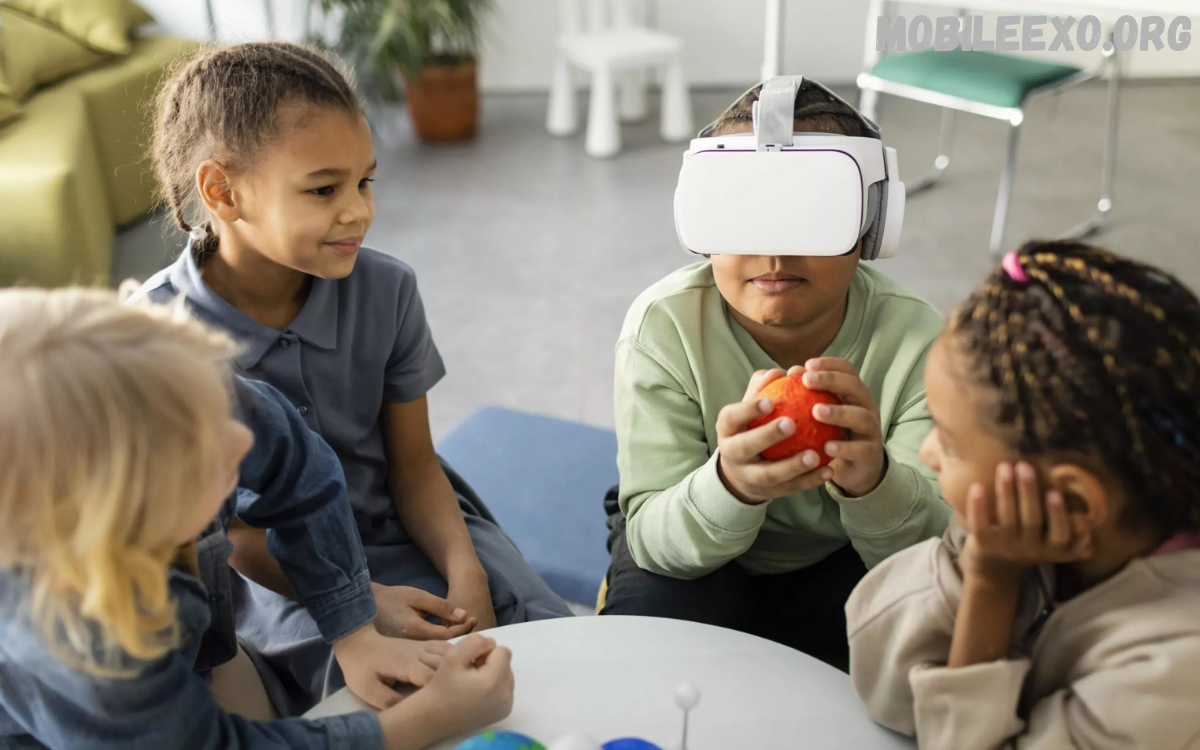
Simulation games for kids have become one of the most popular categories in modern gaming. Unlike traditional action-based games, simulation games allow children to experience realistic situations in a safe and interactive digital environment.
Parents and educators increasingly recognize the value of simulation games because they combine fun with practical skill development. Children can explore different careers, learn decision-making skills, practice resource management, and develop creativity through engaging gameplay.
What Are Simulation Games for Kids?
Simulation games are video games designed to mimic real-life activities, environments, or systems. They allow children to interact with virtual worlds that resemble everyday experiences such as farming, cooking, driving, city management, pet care, or construction. The primary goal is not competition but learning, exploration, and creativity.
These games create a safe environment where children can experiment, make decisions, and see the outcomes of their actions without real-world consequences. This interactive approach helps young players understand concepts that might otherwise be difficult to learn through traditional educational methods.
Why Simulation Games Are Popular Among Children?
One reason simulation games for kids continue to grow in popularity is their ability to provide freedom and creativity. Children enjoy creating their own stories, managing resources, and designing virtual environments according to their imagination. This sense of control makes gameplay highly engaging and rewarding.
Another factor is the educational value. Many simulation games naturally teach problem-solving, critical thinking, planning, and responsibility. Instead of memorizing information, children learn by doing, which often leads to better understanding and retention of important concepts.
Educational Benefits of Simulation Games for Kids
Simulation games can serve as powerful learning tools. They encourage children to think strategically, solve problems, and manage resources effectively. For example, a farming simulation game may require players to plant crops, monitor growth cycles, and allocate resources wisely, teaching basic planning and organizational skills.
These games also support experiential learning. Kids learn through direct interaction rather than passive observation. As they encounter challenges and make decisions, they gain confidence in their abilities and develop skills they can apply in school and daily life.
Improves Critical Thinking
Many simulation games present situations that require analysis and decision-making. Children must evaluate options, predict outcomes, and choose the best course of action. This process strengthens critical thinking abilities and encourages logical reasoning.
The ability to assess situations carefully can benefit children academically and socially. Over time, they become more comfortable solving complex problems and making informed decisions.
Encourages Creativity
Creative simulation games often allow children to build homes, design cities, decorate spaces, or create entire virtual worlds. These activities stimulate imagination and encourage self-expression.
Creativity is an essential life skill that supports innovation and independent thinking. Simulation games provide a platform where children can experiment with ideas and bring their visions to life.
Develops Responsibility
Many simulation games involve caring for virtual pets, managing businesses, or maintaining communities. Players must complete tasks regularly and make responsible choices to succeed.
This responsibility-based gameplay helps children understand commitment and accountability. They learn that their actions have consequences, which can reinforce positive habits and decision-making skills.
Types of Simulation Games for Kids
Simulation games come in many forms, allowing children to explore a range of interests and learning opportunities. Different categories offer unique experiences that cater to diverse age groups and preferences.
Understanding these categories can help parents select games that align with their child’s interests while supporting educational development and safe entertainment.
Farming Simulation Games
Farming games teach children about agriculture, resource management, and planning. Players grow crops, raise animals, and manage virtual farms while learning the importance of time management and productivity.
These games often include seasonal cycles and economic systems that help children understand basic concepts related to sustainability and business management.
Read Also: VR Simulators vs Mobile Simulators
City-Building Simulation Games
City-building games allow kids to design and manage virtual communities. Players create roads, construct buildings, and provide services to residents while balancing resources and growth.
These experiences encourage strategic thinking and introduce concepts such as urban planning, budgeting, and infrastructure development in an engaging way.
Animal and Pet Simulation Games
Animal simulation games focus on caring for pets or wildlife. Children feed, groom, train, and nurture virtual animals, helping them develop empathy and responsibility.
Such games can be especially appealing to younger children who enjoy interacting with animals and learning about their needs in a safe environment.
Life Simulation Games
Life simulation games replicate everyday experiences and social interactions. Players can create characters, manage daily routines, and explore different lifestyles and career paths.
These games encourage social awareness and decision-making while helping children understand how choices can influence outcomes.
Construction and Building Simulation Games
Construction-based simulations allow children to design structures, build projects, and solve engineering challenges. They combine creativity with practical thinking and often introduce basic architectural concepts.
These games can inspire an interest in design, engineering, and problem-solving while giving children freedom to create unique projects.
How Simulation Games Support Child Development
Simulation games provide opportunities for cognitive, emotional, and social growth. Through gameplay, children engage with scenarios that require planning, adaptation, and communication, helping them develop a range of important life skills.
Unlike passive entertainment, simulation games encourage active participation. Children become decision-makers within the game environment, which promotes confidence and independent thinking.
Cognitive Development
Many simulation games challenge memory, attention, and reasoning skills. Players must monitor information, manage multiple tasks, and respond to changing circumstances.
These activities help strengthen mental flexibility and support the development of executive functioning skills that are important for academic success.
Emotional Growth
Simulation games often involve nurturing characters, solving conflicts, and overcoming challenges. These experiences help children understand emotions, build resilience, and develop patience.
As children learn to cope with setbacks and celebrate achievements, they gain emotional confidence that can benefit them in real-life situations.
Social Skills
Multiplayer simulation games may encourage collaboration, teamwork, and communication. Children can work together on projects, share ideas, and solve problems collectively.
These interactions help improve interpersonal skills while teaching respect, cooperation, and digital citizenship in online environments.
Safety Considerations for Parents
While simulation games for kids offer many benefits, parents should remain involved in selecting age-appropriate content. Reviewing game ratings, features, and online interactions can help ensure a safe gaming experience.
Parental guidance is especially important when games include multiplayer features or in-app purchases. Setting clear expectations and monitoring gameplay can help children enjoy games responsibly while avoiding unnecessary risks.
Choose Age-Appropriate Games
Selecting games designed for a child’s age group ensures that content, complexity, and themes remain suitable. Age recommendations can provide useful guidance when evaluating different options.
Parents should also consider educational value, gameplay mechanics, and the child’s individual interests when making decisions.
Set Healthy Gaming Limits
Balanced screen time is important for maintaining physical and mental well-being. Establishing reasonable gaming schedules can help children enjoy simulation games without interfering with schoolwork, exercise, or family activities.
Combining gaming with other hobbies and outdoor activities supports a healthy and well-rounded lifestyle.
How to Choose the Best Simulation Games for Kids
The best simulation games combine entertainment, educational value, and age-appropriate content. Parents should look for games that encourage creativity, learning, and positive engagement rather than excessive competition or inappropriate themes.
Reading reviews, exploring gameplay features, and understanding learning outcomes can help families make informed decisions. Choosing games that match a child’s interests often leads to more meaningful and enjoyable experiences.
The Future of Simulation Games for Kids
As technology advances, simulation games continue to become more realistic and interactive. Emerging technologies such as virtual reality, augmented reality, and artificial intelligence are expanding the possibilities for educational and creative gameplay.
Future simulation games may provide even more immersive learning experiences, allowing children to explore science, engineering, history, and real-world professions through engaging digital environments. These innovations have the potential to make learning more accessible and enjoyable than ever before.
Frequently Asked Questions
What are simulation games for kids?
Simulation games for kids are interactive games that recreate real-world activities such as farming, building, cooking, pet care, or city management. They focus on creativity, learning, and exploration rather than competition.
Are simulation games educational?
Yes. Many simulation games teach problem-solving, resource management, critical thinking, creativity, and decision-making skills through hands-on gameplay experiences.
At what age is it suitable for simulation games?
Simulation games are available for various age groups. Parents should review age ratings and game content to ensure the experience is appropriate for their child’s maturity level.
Can simulation games improve creativity?
Yes. Many simulation games allow children to build, design, customize, and create virtual environments, encouraging imagination and creative thinking.
Are simulation games safe for children?
Most child-focused simulation games are safe when chosen carefully. Parents should monitor online interactions, review privacy settings, and select age-appropriate titles.
How much time should kids spend playing simulation games?
Screen time recommendations vary by age and family preferences. Maintaining a balance between gaming, education, physical activity, and social interaction is generally recommended.
What skills can children learn from simulation games?
Children can develop critical thinking, planning, responsibility, creativity, communication, teamwork, and resource management skills through simulation gameplay.
Conclusion
Simulation games for kids offer much more than entertainment. They create engaging digital environments where children can learn, experiment, and develop valuable life skills. From farming and city-building to pet care and creative construction, these games encourage problem-solving, imagination, and responsible decision-making.
When chosen thoughtfully and played in moderation, simulation games can become powerful educational tools that support a child’s cognitive, emotional, and social development.
