

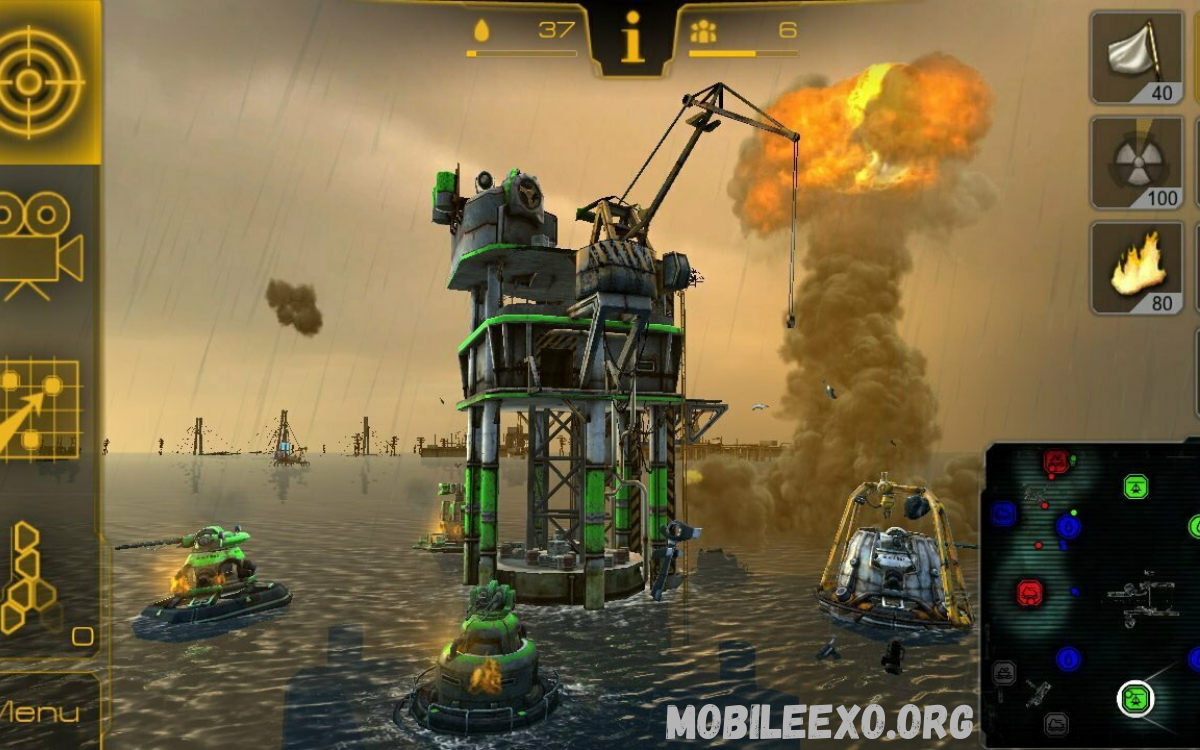
Strategy mobile games represent a dynamic and rapidly growing segment of the gaming industry, combining tactical decision-making, resource management, and long-term planning into accessible mobile experiences. Unlike casual or action-focused games, strategy mobile games challenge players to think critically, anticipate opponents’ moves, and optimize resources to achieve objectives.
Core elements of strategy mobile games include base building, unit management, hero or commander progression, and multiplayer interactions. Many titles incorporate alliances or guild systems, allowing cooperative gameplay and fostering social engagement. Timed upgrades, energy systems, and event-based challenges introduce strategic layers that require careful planning and prioritization.
Defining Strategy Mobile Games
Strategy mobile games focus on decision-making and resource management rather than reflex-based gameplay. Players must plan, adapt, and execute actions that influence short-term outcomes and long-term progression. Unlike casual mobile titles, these games reward critical thinking, strategic foresight, and effective resource allocation.
Players encounter various sub-genres within strategy mobile games. Each sub-genre emphasizes specific mechanics, session lengths, and social interactions. Understanding these sub-genres provides insight into design considerations, player retention, and monetization strategies.
Sub-Genres of Strategy Mobile Games
4X and Grand Strategy
4X games emphasize exploration, expansion, exploitation, and extermination. These strategy mobile games feature empire building, territorial control, alliance management, and competitive multiplayer systems. Core mechanics include base construction, technology trees, troop recruitment, and event participation.
Examples:
- Clash of Clans
- Rise of Kingdoms
- Lords Mobile
- State of Survival
Design Characteristics:
- Asynchronous multiplayer interactions
- Timed resource management
- Alliance-based cooperation and competition
- Long-term strategic planning
These games thrive on multi-layered engagement, where individual sessions are short, but meta-progression spans weeks or months. Strategic alliances enhance retention and create social pressure for active participation.
Real-Time Strategy (RTS-Lite)
RTS-style strategy mobile games prioritize real-time combat with simplified controls. Players deploy units, manage battlefield positioning, and react to opponents dynamically. These games require tactical thinking, fast decision-making, and adaptability under pressure.
Examples:
- Clash Royale
- Art of War
- Iron Marines
Design Characteristics:
- Short match duration (2–5 minutes)
- Emphasis on balance and matchmaking
- Simplified unit management compared to PC RTS
- Competitive PvP focus
RTS-lite games retain the excitement of traditional RTS while optimizing for mobile sessions and touch interfaces. Skillful timing and unit synergy differentiate expert players from casual participants.
Turn-Based Strategy (TBS)
Turn-based strategy mobile games emphasize deliberate decision-making over reaction speed. Players control units on grids, manage abilities, and optimize turn sequences. TBS strategy mobile games often include single-player campaigns, making them accessible to users seeking cognitive challenge without constant multiplayer pressure.
Examples:
- XCOM: Enemy Within (Mobile)
- Polytopia
- Fire Emblem Heroes
Design Characteristics:
- Strategic depth over speed
- Single-player content viability
- Complex tactical layers that scale with progression
- Strong replay value through scenarios and maps
These games appeal to players who enjoy structured problem-solving, careful planning, and experimenting with strategies.
Tower Defense and Hybrid Strategy
Tower defense strategy mobile games focus on planning, positioning, and wave management. Players deploy defensive units or structures to repel enemies, often combined with RPG elements or hero-based progression systems.
Examples:
- Kingdom Rush
- Arknights
- Bloons TD 6
Design Characteristics:
- Progressive difficulty and level mastery
- Hybridization with RPG mechanics
- Strong retention through collectible heroes, skills, and upgrades
- Event-driven engagement
Tower defense hybrids maintain accessibility for casual players while rewarding long-term strategy and mastery for dedicated participants.
Read Also: Top RPG Mobile Games- Ultimate Guide to Mobile Role-Playing Experiences
Key Mechanics in Strategy Mobile Games
Progression Systems
Strategy mobile games utilize progression systems to maintain engagement. Common progression elements include:
- Base upgrades and infrastructure development
- Hero or commander leveling
- Tech trees and skill upgrades
- Event-based milestones
Progression motivates continued play, provides visible achievement, and enhances player satisfaction.
Social Interaction
Social systems are integral to strategy mobile games. Core components include:
- Alliances or clans
- Cooperative missions and challenges
- Server versus server events
- Competitive rankings and leaderboards
Social structures encourage collaboration, drive retention, and create community-driven engagement. Players invest time and resources to maintain social status and competitive advantage.
Time Management and Pacing
Time-based mechanics create strategic tension and pacing in strategy mobile games. Common features include:
- Build timers and upgrade delays
- Energy or action point systems
- Limited-time events and seasonal campaigns
Time management encourages strategic planning, resource optimization, and investment in premium accelerators.
Monetization Models
Strategy mobile games primarily follow free-to-play (F2P) models. Effective monetization balances revenue generation with player satisfaction. Common strategies include:
- Speed-ups for construction or research
- Gacha or hero/character acquisition
- VIP subscriptions with bonus perks
- Event-exclusive power-ups or resources
Pay-to-Win vs. Pay-to-Accelerate
Successful strategy mobile games implement soft pay-to-accelerate systems. Hard pay-to-win models risk player attrition, while convenience-based purchases maintain competitive balance and long-term engagement.
Design Trends in Strategy Mobile Games
- Hybridization: Combining strategy with RPG, idle, or card mechanics enhances accessibility.
- Short-session Optimization: Games focus on 1–3 minute engagement loops to fit mobile lifestyles.
- Live Operations (Live Ops): Events, challenges, and seasonal content drive retention more than core gameplay.
- User Experience Focus: Streamlined interfaces reduce cognitive load without sacrificing depth.
- Meta-layer Strategy: Long-term planning and alliances often matter more than moment-to-moment combat.
Designers must balance complexity, accessibility, and monetization to maintain competitive positioning in crowded markets.
Player Engagement Strategies
Strategy mobile games rely on multiple engagement levers:
- Rewards: Daily logins, quests, and seasonal events maintain routine interaction.
- Competition: PvP, rankings, and guild wars create long-term objectives.
- Progression Feedback: Visual and numerical progress indicators reinforce satisfaction.
- Social Pressure: Collaboration, gifting systems, and alliance wars encourage active participation.
Understanding these levers helps developers optimize retention, satisfaction, and monetization simultaneously.
Market Insights
The global market for strategy mobile games continues growing. Key insights include:
- Asia-Pacific leads in revenue, driven by F2P models and mobile-first infrastructure.
- Hybrid titles dominate charts due to broader appeal and shorter session adaptation.
- Competitive strategy mobile games benefit from esports integration and social virality.
- Player tolerance for pay-to-win mechanics is declining, favoring balanced progression-based monetization.
Investors and developers benefit from aligning design, monetization, and community engagement to market trends and player expectations.
Future of Strategy Mobile Games
The future will emphasize:
- Cross-platform integration: Synchronizing mobile, console, and PC gameplay.
- AI-driven personalization: Adaptive difficulty and matchmaking improve retention.
- Enhanced social dynamics: Real-time collaboration, live events, and community-driven content.
- Augmented reality and immersive mechanics: Emerging technologies offer novel strategic experiences.
Successful strategy mobile games will combine deep tactical gameplay, accessible interfaces, robust social mechanics, and sustainable monetization.
Frequently Asked Questions
What are strategy mobile games?
Strategy mobile games are mobile titles that emphasize planning, resource management, tactical decision-making, and long-term progression over reflex-based gameplay.
What are the main types of strategy mobile games?
Key types include 4X and grand strategy, turn-based strategy, real-time strategy (RTS-lite), and tower defense or hybrid strategy games.
Do strategy mobile games require multiplayer interaction?
Not always. Many games offer single-player campaigns, but social features like alliances, guilds, and PvP enhance engagement and retention.
What devices support strategy mobile games?
Most modern smartphones and tablets, both Android and iOS, support strategy mobile games. Some titles may require higher processing power for graphics-intensive gameplay.
Are strategy mobile games free to play?
Most are free-to-play with in-app purchases, often for speed-ups, hero acquisition, or premium resources. Pay-to-win elements exist but can affect player retention.
Do strategy mobile games require long play sessions?
Not necessarily. Many are designed for short sessions with long-term progression, making them suitable for mobile play on the go.
What skills do strategy mobile games improve?
These games enhance critical thinking, planning, resource management, and decision-making under constraints.
Can strategy mobile games be played offline?
Some titles allow offline play for single-player campaigns, but many features like multiplayer, events, and leaderboards require an internet connection.
Conclusion
Strategy mobile games remain a cornerstone of the mobile gaming industry. Their appeal derives from tactical decision-making, long-term planning, and social engagement. Designers must focus on progression systems, monetization balance, and immersive mechanics.
