

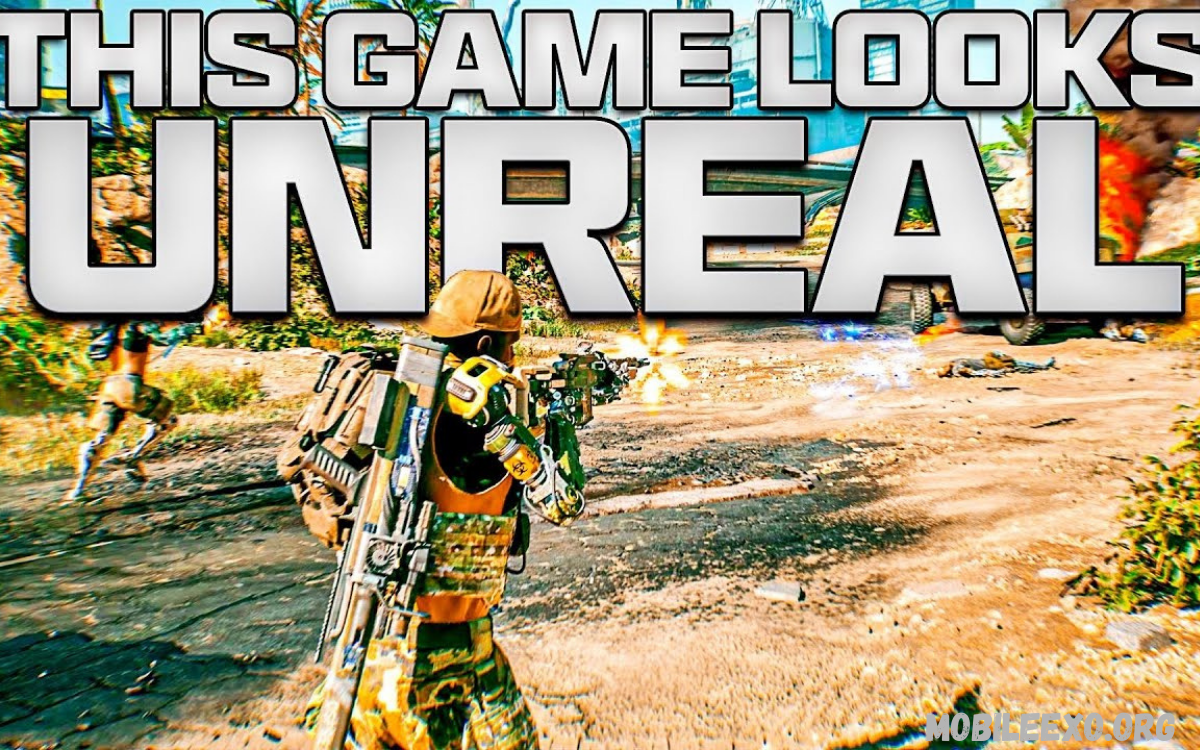
The battle royale genre continues to dominate the gaming landscape, attracting millions of players worldwide with its intense survival-based multiplayer experiences. As developers push boundaries, upcoming battle royale titles promise to redefine competition, strategy, and engagement within this fast-evolving genre.
Upcoming titles emphasize more than just traditional last-player-standing objectives. Many integrate class-based roles, specialized abilities, and dynamic environments that require adaptive strategies, teamwork, and creative problem-solving.
Evolution of Battle Royale Games
Battle royale originated with mods and indie projects before becoming mainstream phenomenon with titles like PUBG, Fortnite, and Apex Legends. Core principles include survival mechanics, large-scale multiplayer battles, shrinking play areas, and last-player-standing objectives. Over time, developers introduced diverse gameplay variations, including class-based combat, hybrid shooter-action mechanics, destructible environments, and unique movement systems.
Upcoming battle royale titles continue building upon these innovations. Developers aim to retain core intensity while adding fresh gameplay layers. New titles showcase class diversity, map interactivity, advanced AI opponents, and increasingly strategic team-based approaches.
Notable Upcoming Battle Royale Titles
Battlefield: REDSEC
Battlefield: REDSEC represents a strategic evolution in battle royale design. Released as free-to-play extension of Battlefield 6, it supports 100-player matches on destructible environments. Key features include:
- Class-based Combat: Players select between Assault, Engineer, Support, and Recon roles, each with unique weapons, gadgets, and tactical abilities.
- Vehicle Integration: Tanks, helicopters, and armored vehicles enhance map mobility and team strategies.
- Dynamic Maps: The map “Fort Lyndon” offers destructible structures and environmental hazards, enabling creative approaches to combat.
- Multiple Modes: Standard 100-player mode and “Gauntlet” mode for smaller-scale, fast-paced gameplay.
REDSEC emphasizes teamwork, strategy, and environmental interaction, appealing to competitive players seeking more tactical depth than standard battle royale shooters.
Splitgate 2 – Battle Royale Mode
Splitgate 2 introduces innovative gameplay with its portal mechanics. This 60-player mode blends fast-paced shooting with creative mobility options. Highlights include:
- Portal Movement: Players traverse maps instantly through portals, allowing vertical, horizontal, and diagonal maneuvers.
- Dynamic Maps: Biome diversity, environmental events, and interactive objects provide tactical variation.
- Loot and Respawn Mechanics: Randomized loot chests and limited respawns encourage adaptive strategies.
- Team and Solo Modes: Flexible match structures accommodate competitive solo players and coordinated squads.
Splitgate 2 redefines movement within battle royale, enhancing spatial strategy while maintaining classic elimination mechanics.
Supervive
Supervive combines battle royale survival with hero-brawler mechanics, introducing abilities and character powers beyond standard firearms. Features include:
- Hero Abilities: Each character possesses unique abilities, enabling diverse combat styles.
- Hybrid Gameplay: Integration of shooter, melee, and ability-driven tactics provides depth for competitive and casual players.
- Survival Mechanics: Resource management, strategic positioning, and player elimination maintain classic battle royale tension.
Supervive appeals to players seeking combination of tactical shooter and hero-action dynamics, offering replayability through character variety and evolving strategies.
Sonic Rumble
Sonic Rumble applies battle royale principles to casual, mini-game-based experiences. Its design prioritizes accessibility and fast-paced fun. Features include:
- Mini-Game Challenges: Players compete across multiple arenas using varied objectives.
- Casual Accessibility: Simplified mechanics cater to mobile and PC platforms, enabling broader player participation.
- Short-Session Gameplay: Matches last minutes, making the title suitable for on-the-go entertainment.
Sonic Rumble demonstrates battle royale versatility, proving genre can extend beyond traditional shooter framework into arcade and party-style gaming.
Trends in Upcoming Battle Royale Titles
Class-Based and Hero Mechanics
Increasingly, developers integrate specialized classes or hero abilities to enhance tactical variety. Class selection impacts weapon choices, abilities, and team strategies, creating more layered combat scenarios. Titles like REDSEC and Supervive exemplify this trend.
Environmental Interactivity
Dynamic maps with destructible objects, environmental hazards, and interactive mechanics are becoming standard. Destructible structures in REDSEC and portal-based navigation in Splitgate 2 highlight how environment influences gameplay decisions.
Cross-Platform and Free-to-Play Accessibility
Developers prioritize accessibility to maximize player base. Free-to-play distribution models and cross-platform play allow seamless engagement across PC, console, and mobile platforms, reducing entry barriers and expanding communities.
Hybrid Gameplay and Genre Blending
Battle royale mechanics increasingly merge with other genres, such as hero-brawlers, strategy, and mini-game competitions. Hybrid designs, like Supervive and Sonic Rumble, cater to players seeking varied experiences beyond traditional shooter formulas.
Short-Session and Competitive Modes
While large-scale 100-player matches remain popular, there is a rising demand for shorter, high-intensity sessions. Titles offering 20–60 player matches or specialized “Gauntlet” modes maintain intensity while improving accessibility for casual or time-constrained players.
Read Also: New Battle Royale Games to Try in 2025 – Ultimate Guide for Gamers
Why Upcoming Battle Royale Titles Matter?
Battle royale remains a lucrative, player-driven segment within gaming industry. Upcoming titles introduce technical innovations, creative map designs, and hybrid gameplay mechanics, keeping the genre dynamic and engaging. Players benefit from diversity in style, pace, and complexity, while developers explore novel strategies to differentiate products.
The genre’s adaptability ensures relevance across demographics. Competitive shooters, casual gamers, and party-style audiences now share interest in survival-based competition. Titles like REDSEC, Splitgate 2, Supervive, and Sonic Rumble demonstrate how battle royale evolves from raw shooter intensity into multidimensional experiences, appealing to wider audiences.
Anticipated Impact on Gaming Landscape
Upcoming battle royale titles influence multiple facets of gaming industry:
- Player Engagement: Dynamic mechanics and hybrid modes maintain long-term player interest.
- E-Sports and Streaming: Competitive balance and tactical depth enhance spectator experiences, fueling esports ecosystems.
- Monetization Strategies: Free-to-play distribution and cosmetic microtransactions create sustainable revenue models.
- Technological Innovation: Advanced physics, destructible environments, and portal-based movement push hardware and engine capabilities.
These elements highlight how upcoming titles not only expand entertainment value but also shape technological and economic trends within gaming.
Frequently Asked Questions
What are upcoming battle royale titles?
Upcoming battle royale titles are new or soon-to-be-released games that follow the battle royale format, typically involving large-scale multiplayer matches where players compete to be the last one standing.
Which platforms will these upcoming titles be available on?
Most upcoming battle royale games are released across PC, consoles, and mobile platforms, often with cross-platform support for seamless multiplayer experiences.
Are these new battle royale games free-to-play?
Many upcoming titles, such as Battlefield: REDSEC and Splitgate 2, offer free-to-play models, with optional cosmetic purchases or battle passes.
What gameplay innovations can players expect?
Players can expect class-based mechanics, hero abilities, destructible environments, portal-based movement, dynamic maps, and hybrid gameplay combining shooter and strategy elements.
Will there be solo, duo, or squad modes?
Yes. Most upcoming battle royale titles provide multiple match formats, including solo, duo, and squad options to suit different player preferences.
Conclusion
Upcoming battle royale titles showcase innovation, creativity, and evolving gameplay dynamics. Games like Battlefield: REDSEC, Splitgate 2, Supervive, and Sonic Rumble illustrate diverse approaches, from tactical squad-based shooters to hybrid hero-brawlers and casual mini-game experiences.
Developers continue to refine class mechanics, environmental interactivity, and session pacing while embracing cross-platform accessibility and hybrid gameplay. Trends suggest battle royale will remain adaptive, inclusive, and highly engaging.
